
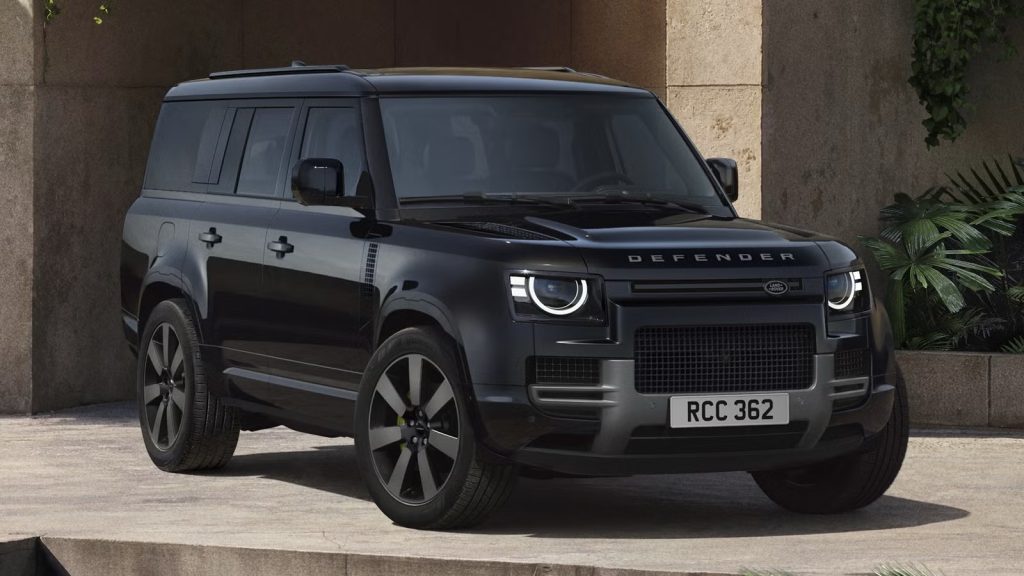
Every design begins with some form of inspiration, usually guided by a brief. But at what point does inspiration become copying?
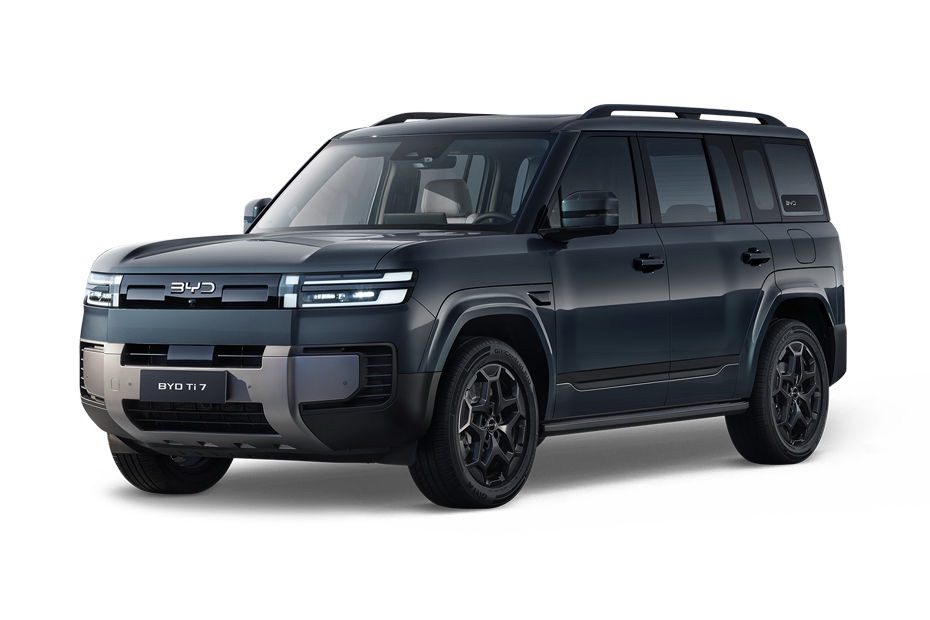
Jaguar Land Rover’s (JLR) legal battle with BYD over the design of its Ti7 SUV has reignited this conversation. On 20 November 2026, a Dutch court provisionally barred the sale of the BYD Ti7 in the European Union, ruling that it infringes on the registered design rights of the Land Rover Defender. BYD maintains that its design is original and intends to challenge the ruling.
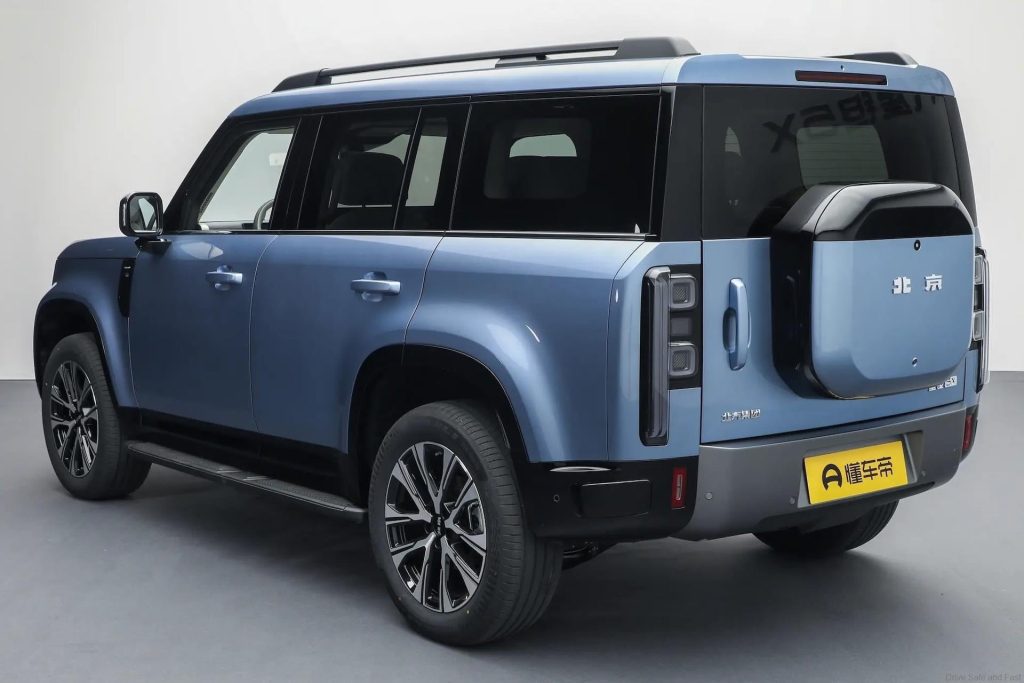
But let’s take a roll call of some familiar-looking SUVs: the Jetour T2, BIAC Xingtan 5X, BYD Ti7, Denza B5, ROX 01 (also known as the Stone 01), iCAUR V27 and, to varying degrees, GWM’s Tank 300 and Tank 500. The Defender is certainly not short of admirers.
From imitation to innovation
They say imitation is the sincerest form of flattery.
The Chinese automotive industry has historically drawn considerable inspiration from the West. Having learnt from established manufacturers such as Volkswagen, Chinese automakers have evolved to the point where they are now winning on multiple fronts. Their early commitment to electric vehicles and dominance of the battery manufacturing ecosystem have made them formidable competitors.
While Chinese consumers have their own indigenous tastes, manufacturers looking to compete globally naturally design products that appeal to international audiences. Equally, evolving consumer preferences within China are influencing the design of vehicles intended for its domestic market.
Yet products such as the MG Cyberster, Avatr 12, Yangwang U9 and Geely Coolray demonstrate that Chinese manufacturers are perfectly capable of creating fresh, distinctive and desirable designs when they choose to.
The Defender’s success is its own problem
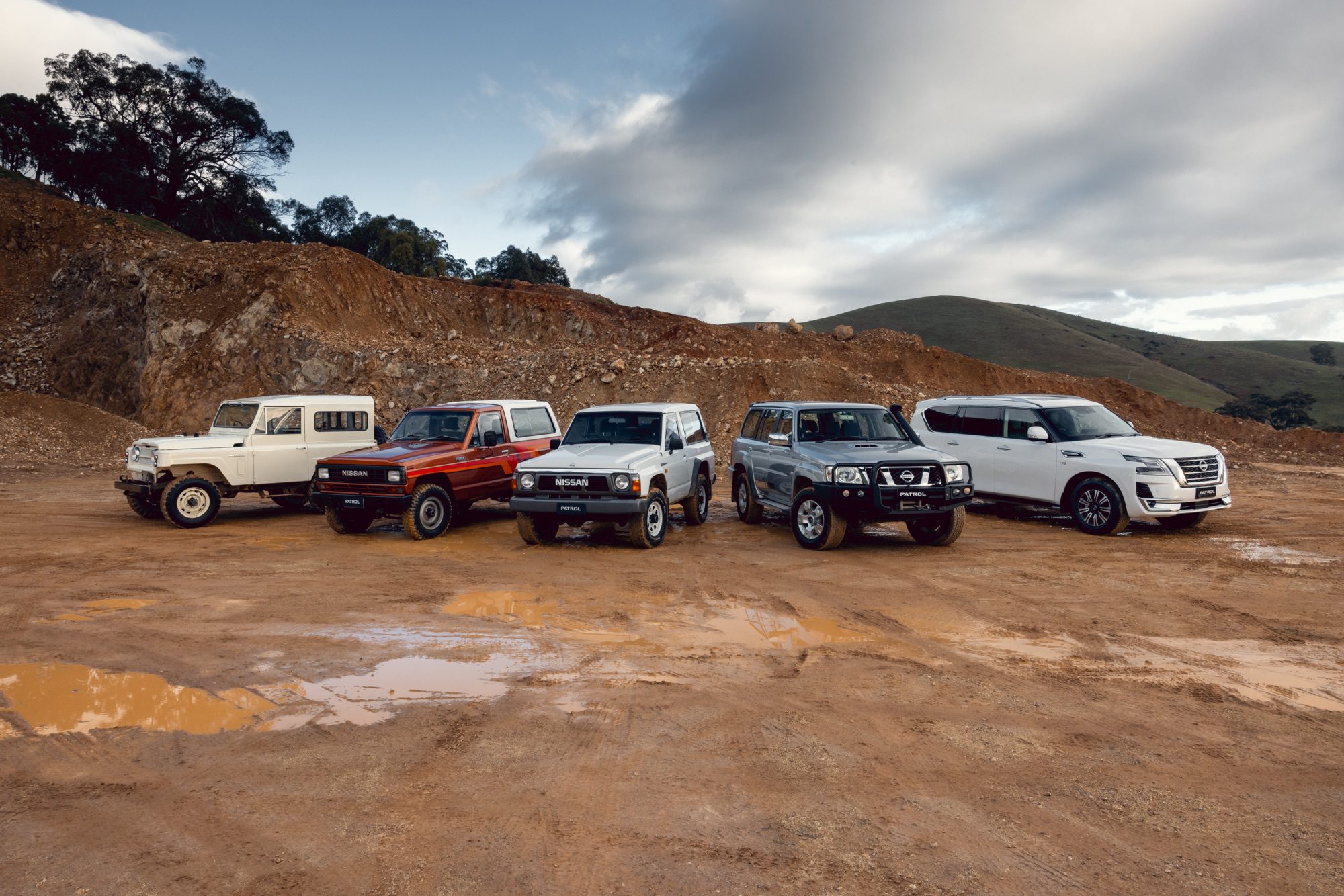
When Land Rover reinvented the Defender, not all of us were convinced that the new vehicle deserved the iconic nameplate. Some felt so strongly about its departure from the original formula that it inspired the creation of the INEOS Grenadier, which has enjoyed a measure of success. Despite drawing inspiration from the original Defender, the Grenadier has managed to establish a design identity of its own.
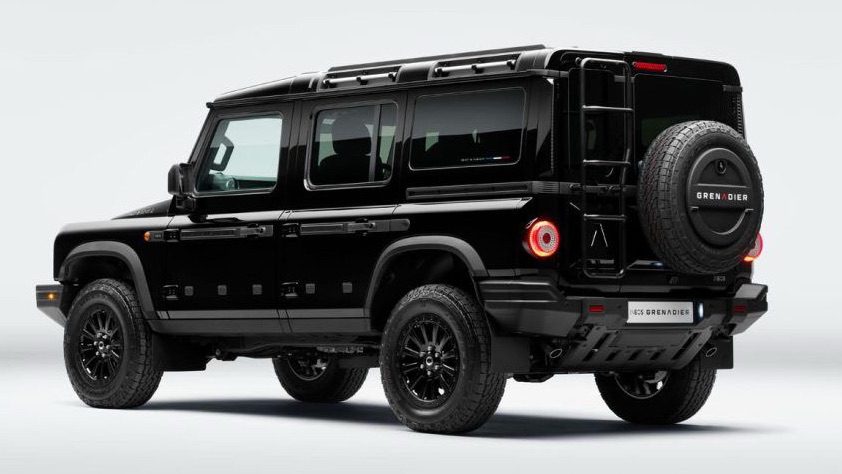
However, what the Defender may have lost in traditional followers, it has more than made up for in new admirers, desirability and commercial success. That success is undeniable and has seemingly inspired a generation of lookalikes.
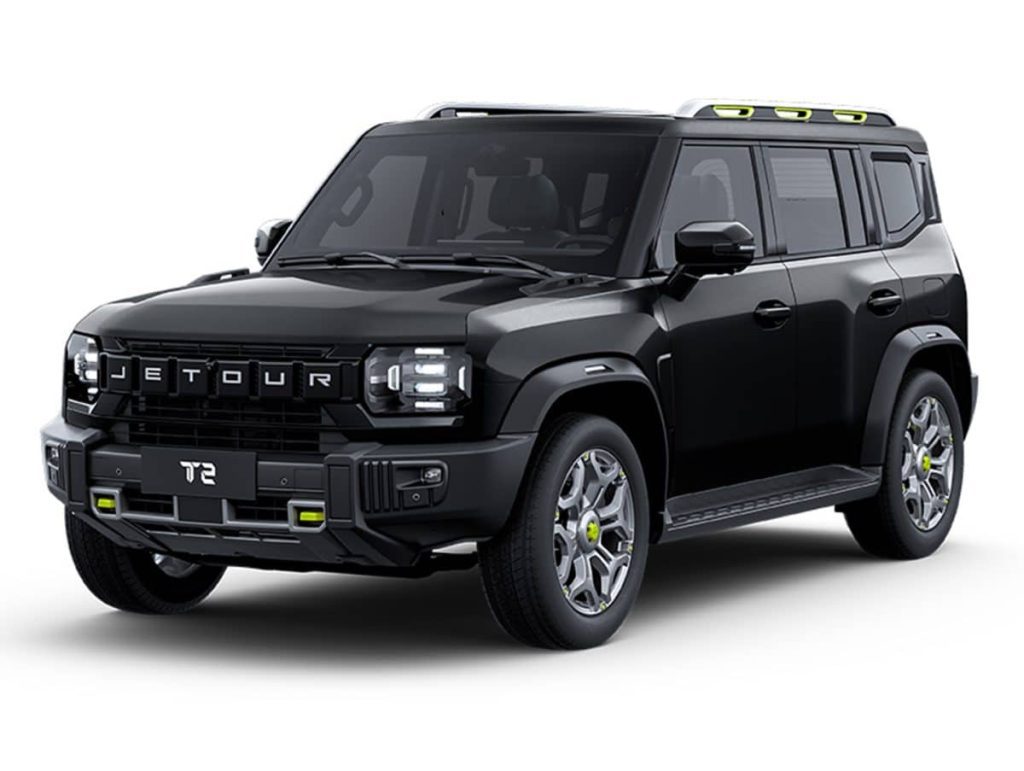
In my opinion, the Jetour T2 and BIAC Xingtan 5X bears one of the most striking resemblances to the modern Defender. Perhaps JLR felt that making an example of BYD, given its size and growing global influence, would send a stronger message to the industry.
Inspiration should build identity
I believe inspiration is necessary for great design. However, the resulting product should be able to stand on its own, establish an identity and create a clear design path for its successors.
Chinese manufacturers have already demonstrated their engineering prowess. They have little reason to live in the design shadows of established brands.
The world is big enough for all these manufacturers to coexist. Ultimately, I believe the motoring public stands to win from this contest through better products, greater innovation and more choices.
Competition is good for growth. But imagine how much more interesting the automotive landscape would be if everyone competed to create the next icon rather than recreate an existing one.
Leave a Reply