For years, the biggest technology rivalry happened in our pockets.
Now, it is moving to our dashboards.
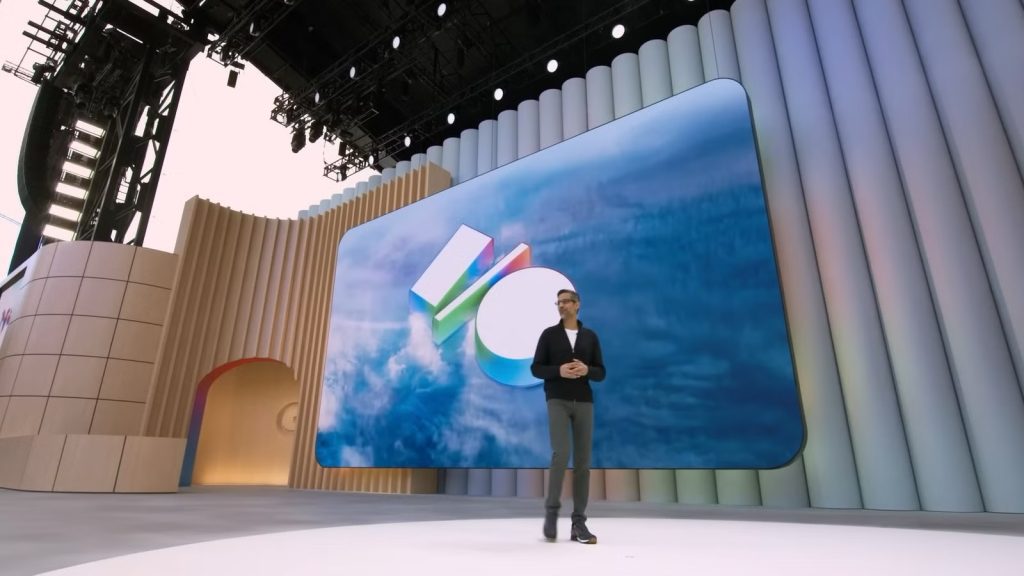
At this year’s Google I/O and Android Show events, Google made one thing very clear: the company no longer sees the car as just another screen for navigation. It sees the modern vehicle as a full computing platform powered by software, artificial intelligence and connected services.
And standing directly in its way is Apple with its next-generation Apple CarPlay Ultra.
The battle is no longer simply Android Auto versus CarPlay.
It is becoming a fight over who controls the entire digital experience inside your vehicle.
Google’s Big Push Into Cars
Google announced several major updates to Android Auto and Android Automotive during I/O.
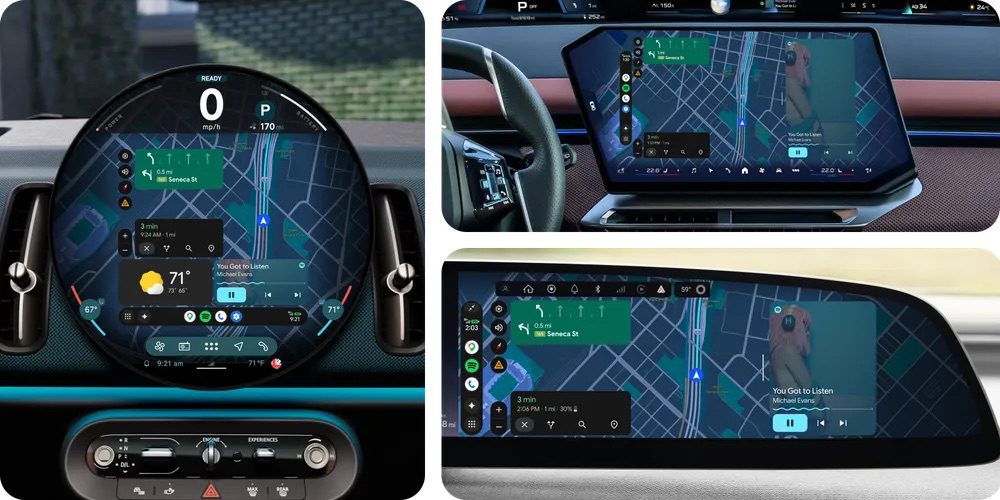
The biggest visual change is a redesigned Android Auto interface built to work seamlessly across modern vehicle displays, including curved screens, panoramic dashboards and ultra-wide infotainment systems.
The interface now stretches edge-to-edge and adapts dynamically to different screen layouts, something that closely mirrors Apple’s vision for CarPlay Ultra.
But beyond the visuals, the real story is artificial intelligence.
Google is integrating Gemini deeply into the in-car experience. Unlike traditional voice assistants that mostly respond to commands, Gemini is being positioned as a conversational AI co-driver.
Google demonstrated features such as:
- Explaining dashboard warning lights
- Understanding cargo and trunk space questions
- Summarizing messages naturally
- Interacting with third-party apps intelligently
- Offering contextual assistance while driving
This is a significant shift. The car is no longer just a machine responding to button presses. It is beginning to behave more like an intelligent assistant.
Google also announced:
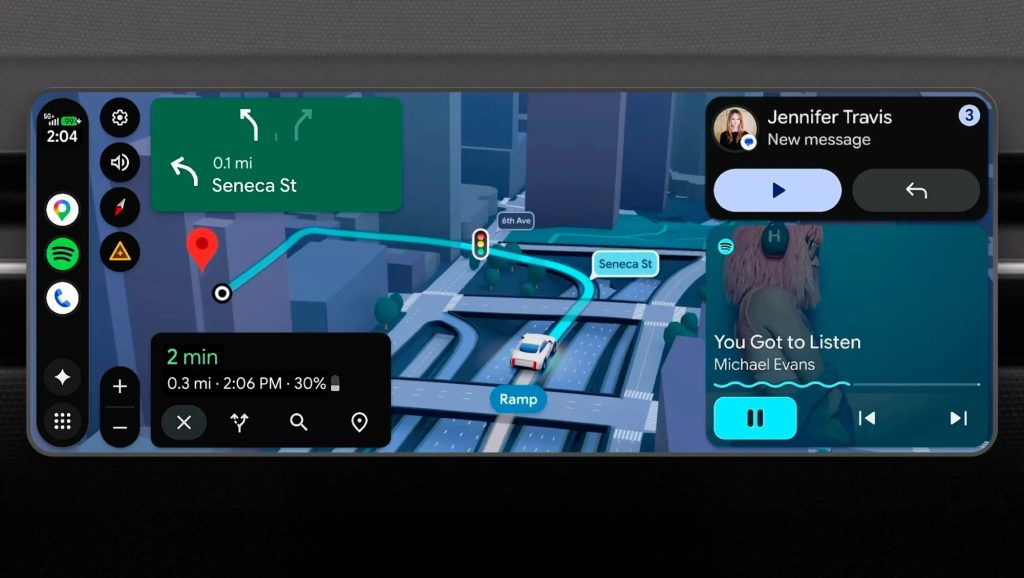
- Immersive 3D navigation
- Improved lane guidance
- YouTube and video streaming support while parked
- Dolby Atmos audio support
- Widgets for smart home and quick controls
- Better media continuity between devices
The direction is obvious: Google wants the car to become another connected digital environment alongside phones, tablets and computers.
Android Auto vs Android Automotive: What’s the Difference?
Many people still confuse Android Auto with Android Automotive, but they are very different systems.
Android Auto
Android Auto is essentially phone projection. Your Android phone powers the experience while the car acts mainly as a display.
Android Automotive
Android Automotive, also known as Google built-in, is the actual operating system running inside the vehicle itself (its already running on a lot more cars already even those with Apple CarPlay).
That means Google can integrate much more deeply with:
- Vehicle sensors
- Battery systems
- Climate controls
- Cameras
- Driver assistance systems
- Charging infrastructure
This is where Google gains a major advantage.
Because Android Automotive operates at the vehicle level, Gemini can potentially understand both the driver and the car itself in real time.
That opens the door for much smarter and more contextual experiences.
Apple’s Counterattack: CarPlay Ultra
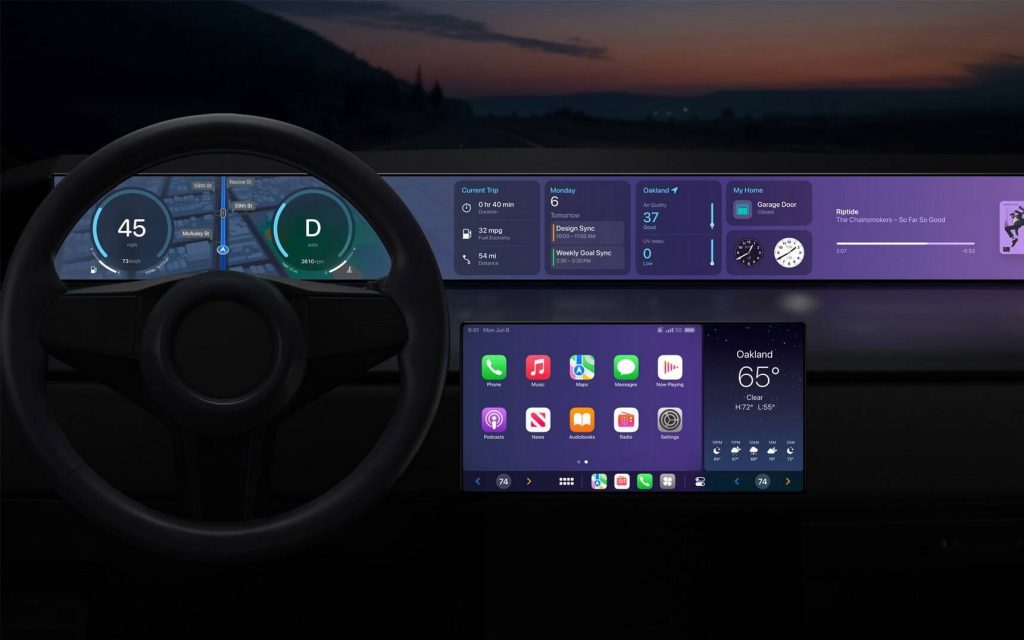
Apple’s answer is CarPlay Ultra.
Instead of remaining a small infotainment app on the center screen, CarPlay Ultra expands across the entire cockpit experience.
It can control and display:
- Instrument clusters
- Gauges
- Media
- Navigation
- Climate systems
- Vehicle widgets
Visually, it is arguably one of the cleanest and most premium-looking in-car systems ever shown.
Apple’s strength remains ecosystem integration. If you already use:
- iPhone
- Apple Watch
- AirPods
- Apple Music
- iCloud
…then CarPlay Ultra feels extremely natural and seamless.
But there is an important difference in philosophy.
Apple wants the car to feel like an extension of the iPhone.
Google wants the car itself to become an intelligent Google-powered computer.
That difference may define the future of automotive software.
Which Automakers Are Supporting Google?
Google has built impressive momentum in the automotive industry.
Brands already using or rolling out Google built-in include:
- Volvo
- Polestar
- General Motors
- Ford Motor Company
- Honda
- Nissan
- Renault
- Rivian
- Lucid Motors
- Subaru
Google says there are now more than 100 vehicle models from 16 brands using Google built-in.
Meanwhile, Apple’s CarPlay Ultra partners currently include:
- Aston Martin
- Porsche
- Hyundai Motor Company
- Kia
- Genesis Motor
- Ford Motor Company
- Honda
- Nissan
Interestingly, several automakers are supporting both ecosystems simultaneously.
That tells us something important: most car manufacturers are not ready to pick sides yet.
Why This Matters More Than You Think
Modern cars are rapidly becoming software-defined products.
Increasingly, the value of a vehicle will not come only from:
- Horsepower
- Engine size
- Ride comfort
- Exterior styling
It will also come from:
- Software quality
- AI capability
- Connectivity
- App ecosystems
- Autonomous features
- Over-the-air updates
This is especially important in the electric vehicle era, where the driving experience is becoming more digitally driven.
Companies like Tesla helped accelerate this shift by proving that customers increasingly value software experiences inside cars.
Now Google and Apple want to become the digital backbone of future vehicles.
So Who Is Winning?
Right now, Google appears to have the advantage in:
- AI integration
- Vehicle-level operating systems
- Mapping and navigation
- EV ecosystem integration
Apple still leads in:
- User interface polish
- Ecosystem loyalty
- Seamless device continuity
- Premium user experience
The bigger question may not be who wins the dashboard battle.
It may be who eventually controls:
- Customer data
- In-car subscriptions
- Digital services
- Navigation ecosystems
- AI relationships with drivers
Because the next great tech platform may no longer be your smartphone.
It may very well be your car.




Leave a Reply