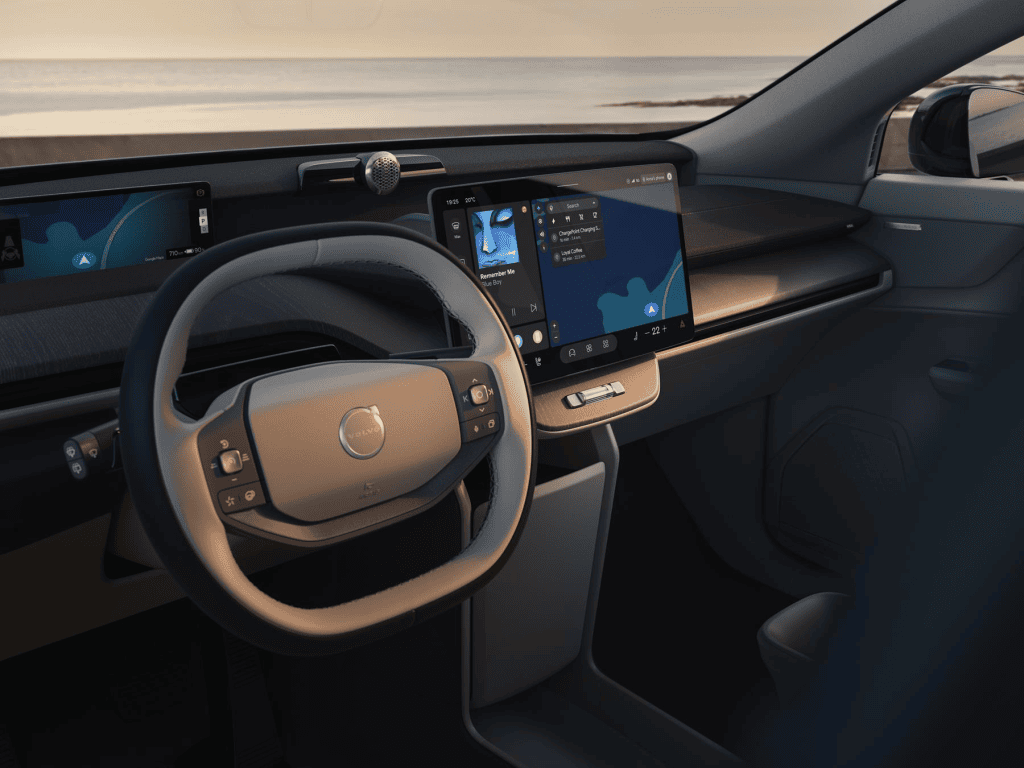
For years, Volvo has proudly positioned itself as one of the leaders in Android-powered automotive infotainment (most in-car infotainment are android based anyway). Its Google built-in system has often been held up as one of the best examples of how Android can work seamlessly inside a car.
So it is interesting, perhaps even telling, that Volvo is now giving Apple Music such a prominent place in more than two million of its vehicles.
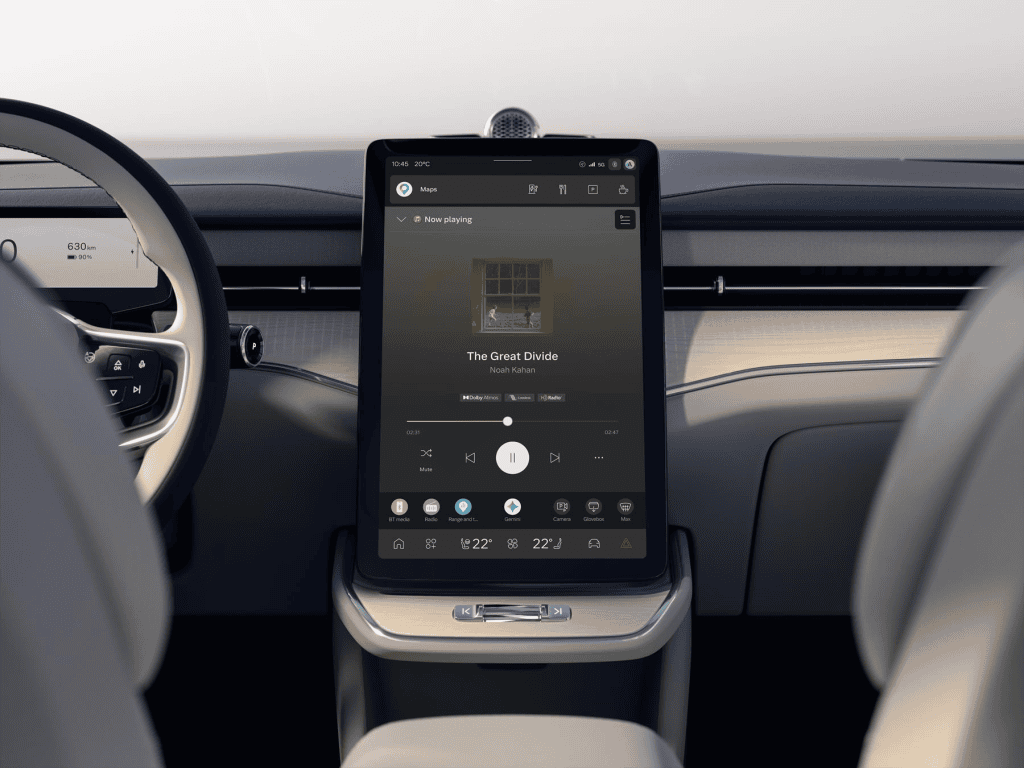
At first glance, this might look like a simple software update. It isn’t. It says a lot about where the connected car is heading.
The smartphone wars have moved into our cars
Not long ago, automakers were focused on building the best infotainment system they could. Today, they are competing with the ecosystems customers already live in.
Whether you’re deeply invested in Apple or Google, your music, navigation, contacts and digital life already exist there. Car manufacturers have realised that fighting these ecosystems is often a losing battle.
Some brands have responded by embracing them.
Others have gone in the opposite direction.
A few manufacturers have even removed support for Apple CarPlay altogether, believing they should own the complete in-car software experience. Meanwhile, others have leaned heavily into Apple CarPlay Ultra, allowing Apple’s interface to extend beyond the centre screen and into the instrument cluster and other vehicle functions.
Volvo seems to be taking a far more balanced approach.
Android isn’t the enemy of Apple
This announcement is particularly interesting because Volvo’s infotainment already runs on Android Automotive.
Rather than seeing Apple as competition, Volvo appears to recognise that customers don’t think that way anymore.
You can happily use Google’s operating system while subscribing to Apple Music.
You might navigate using Google Maps, listen to Apple Music and carry an iPhone, or an Android phone. Modern consumers mix ecosystems more than ever before, and Volvo seems comfortable embracing that reality instead of forcing customers into one digital camp.
That’s probably the smarter long-term strategy.
Music is becoming part of the luxury experience
Luxury cars have always been about comfort, refinement and craftsmanship.
Increasingly, they’re also about sound.
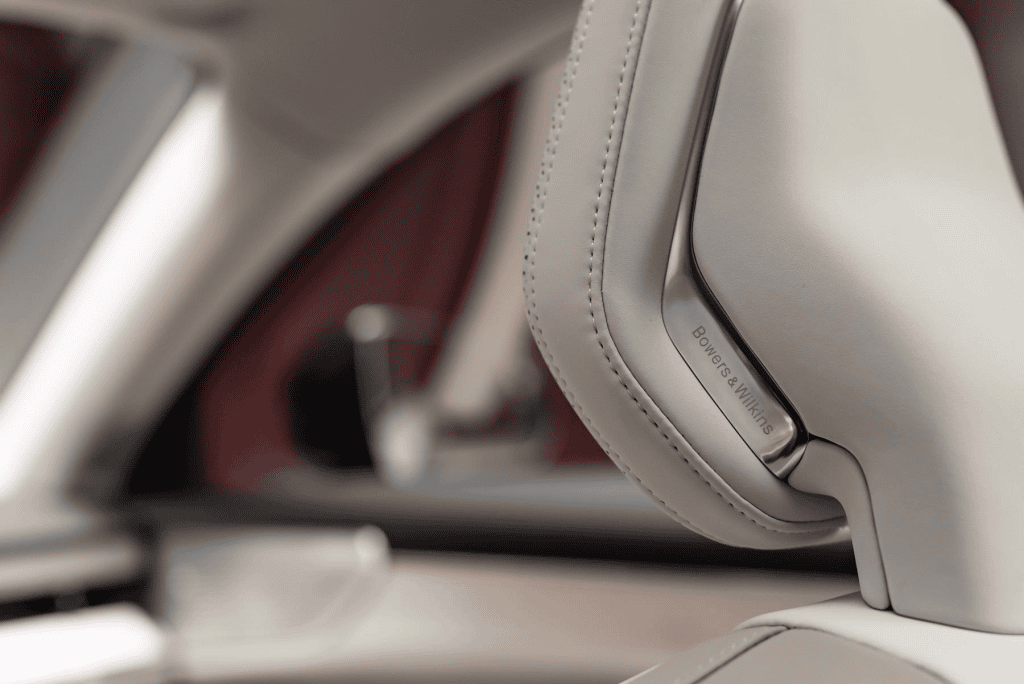
Volvo highlights that the EX60, EX90 and ES90 feature some of the quietest cabins it has ever built. Pair that with the optional Bowers & Wilkins audio system and Apple Music’s Spatial Audio powered by Dolby Atmos, and the company is effectively turning the cabin into a private listening room.
It’s no longer just about having a premium stereo.
It’s about creating an experience.
And unlike horsepower or acceleration figures, everyone in the car gets to enjoy great sound.
Software is now a selling point
Another important takeaway is how this feature is arriving.
Owners don’t need to buy a new car.
More than two million compatible Volvos will receive Apple Music through an over-the-air update.
That would have sounded futuristic just a decade ago.
Today, it has become an expectation.
The best cars are no longer simply engineered, they continue evolving long after they leave the showroom.
Ryde Channel’s take
We often talk about engines, batteries, suspension and performance.
But the reality is that many owners spend far more time interacting with a touchscreen than they ever do exploring the limits of their car’s handling.
The infotainment experience has become just as important as what sits under the bonnet.
Volvo deserves credit for recognising that customer experience matters more than platform loyalty. Instead of forcing drivers to choose between Android and Apple, it is simply giving them access to the services they already enjoy.
That feels refreshingly customer-first.
And here’s the slightly amusing part.
The company that has spent years championing Android is now making headlines by celebrating Apple Music.
Perhaps that’s the biggest lesson of all.
The future of the connected car won’t be won by choosing sides. It will belong to the manufacturers that make every ecosystem feel at home.
What do you think? Should car manufacturers build their own software ecosystems, or simply focus on making Apple and Google work as well as possible?




Leave a Reply