
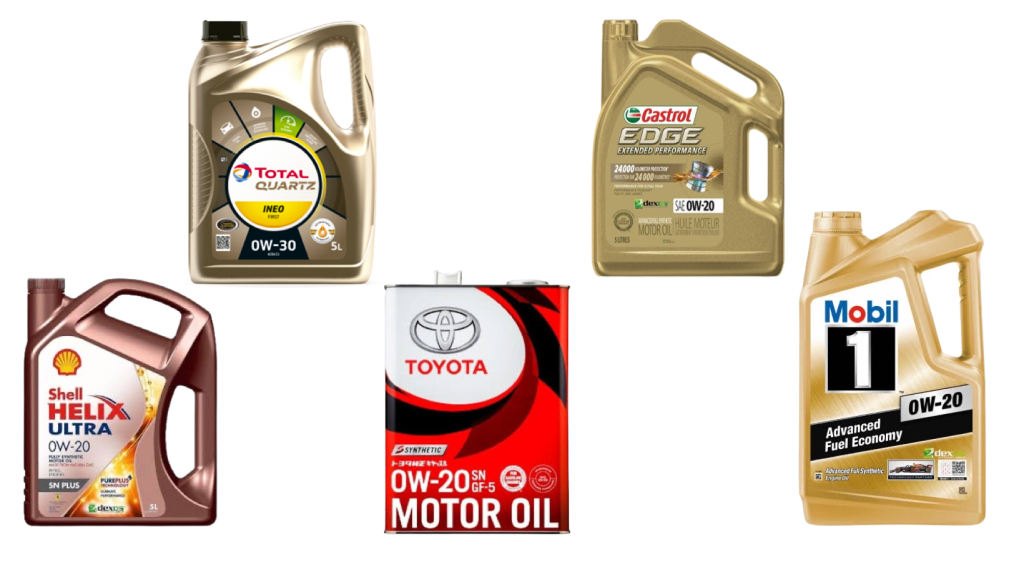
Walk into any mechanic shop in Accra, Kumasi or Takoradi and ask what engine oil to use for your Toyota Corolla or Honda CR-V, and chances are you’ll hear this line:
“Bra, put 20W-50 inside. It’s better for our weather.”
It’s a phrase so common, it feels almost sacred. But here’s the thing: that advice might be doing your engine more harm than good.
Where Did This Thicker-Oil Belief Come From?
Well Ghana is hot, dusty. The roads in our cities have unpredictable traffic jams. back in the day, cars weren’t as finely tuned as they are today. So yes, once upon a time, thicker oils like 20W-50 or 15W-40 were common, especially for older cars and diesel trucks.
But today’s vehicles are different. That shiny Kia Sportage, Honda Civic, Hyundai Elantra or Mercedes in your driveway was engineered with precision, same with the design and choice of oil.
So What Does the Manufacturer Actually Recommend?
Let’s break it down:
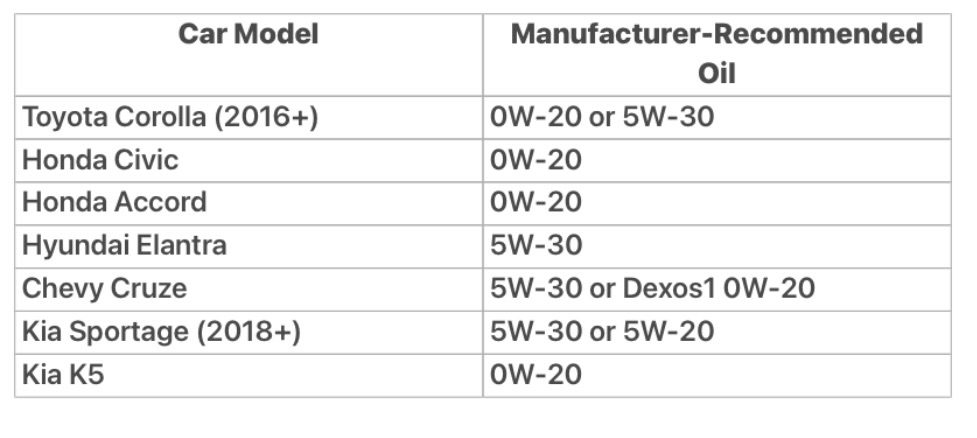
Notice anything? All of them run on relatively thin oils. That’s not a mistake, it’s intentional.
But Ghana is Hot, Shouldn’t We Use Thicker Oil?
Let’s tackle this popular myth head-on.
Yes, engines generate a lot of heat but the cars also have systems to keep them always in their safe zone. No matter the climate most engines operate within the same temperature range once they warm up.
Modern oils like 0W-20 or 5W-30 are designed to handle both cold starts and high heat. They’re engineered to flow quickly, reduce friction, and protect vital engine parts, even freezing cold and sweltering heat.
So Why Do Some Mechanics Push Heavier Oils?
This comes down to habit, hearsay, and in some cases, a well-meaning but outdated mindset.
Some mechanics believe thicker oil “lasts longer” or “protects better,” especially in places with dusty air or traffic-filled roads. But here’s the truth:
- Heavier oils don’t flow as easily, which means slower lubrication on startup.
- They increase friction and heat, especially in small, modern engines.
- They can reduce fuel economy and performance.
- They might cause premature wear on components like variable valve timing systems, turbos, and oil pumps.
In fact, using the wrong oil can eventually clog oil passages, damage gaskets, and trigger check engine lights (malfunction indicator lights-MIL).
The Science Backs the Thin Oils
Auto manufacturers spend millions on R&D. They test oil grades across freezing winters and scorching deserts same as the oil manufacturers. If a Toyota Camry can run 0W-20 in Dubai, trust me, it can handle East Legon.
Studies by Honda, Toyota, and even Mobil1 show:
- Lower-viscosity oils reduce wear (when used as recommended).
- They improve fuel economy by reducing internal engine drag.
- And with modern additives, they still protect metal parts under high pressure.
So What’s the Right Oil Strategy for Ghanaian Drivers?
- Read your owner’s manual, – The oil grade is there for a reason.
- Stick with quality brands – Total, Mobil1, Shell, Castrol… avoid cheap, unlabelled concoctions, and buy from reputable shops.
- Change your oil on time – Thick or thin, dirty oil is a problem.
- Push your mechanic (gently) – If they suggest something different, ask why, and be ready with facts.
- Avoid “one oil fits all” advice – Your Honda Accord is not a 1980s “Mummy” truck.
Advice to Mechanics
If you’re a mechanic reading this (respect to you!), here’s the deal:
Modern engines are like smartphones, they’re smart, sensitive, and not forgiving (very tight tolerances) when you feed them the wrong stuff. The days of “any oil go fit” are long gone.
Using manufacturer recommended oils:
- Protects your client’s car
- Builds your reputation
- Reduces comeback jobs
- Keeps engines running cleaner, longer
Be the mechanic that explains why 0W-20 is the right call, not the one who defaults to 20W-50 because “that’s what we always do.”
In the end, oil is the lifeblood of your engine. It does not matter the usage of your car, the right oil grade matters.
So let’s stop the “thicker is better.” It’s not about thickness, it’s about fitness for purpose.
And in this case, the best way to enjoy your car… is to listen to the folks who built it.
Got questions about oil grades or curious if your mechanic is getting it right? Slide into our DMs or tag @RydeChannel in your next oil change post. Let’s get Ghanaians ryding right!
Happy motoring…




Leave a Reply