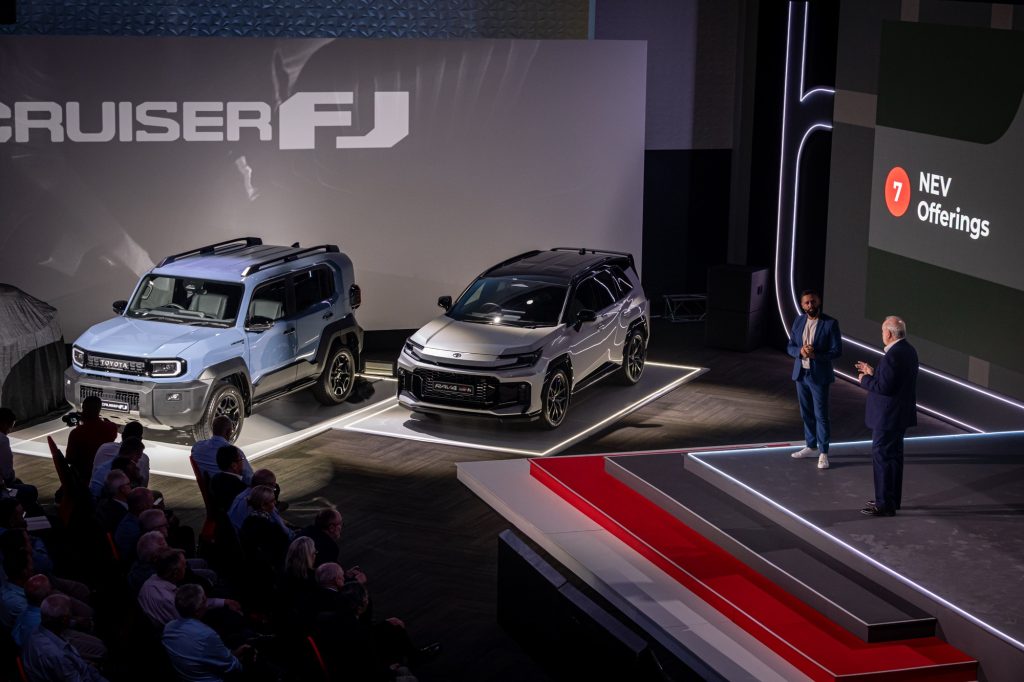
Sandton played host to one of the continent’s most closely watched automotive gatherings as Toyota South Africa Motors (TSAM) staged the second segment of its ninth annual State of the Motor Industry (SOMI) event.
Under the theme “Driving Through Disruption,” the showcase brought together industry leaders, policymakers, media and mobility partners to unpack Toyota’s 2025 performance, and preview what’s next.
If there was one word that defined the day, it was resilience. Actually, make that three: resilience, agility and ambition.
Speaking at the event, Senior Vice President of Sales and Marketing Leon Theron underscored the company’s ability to stay ahead of disruption.
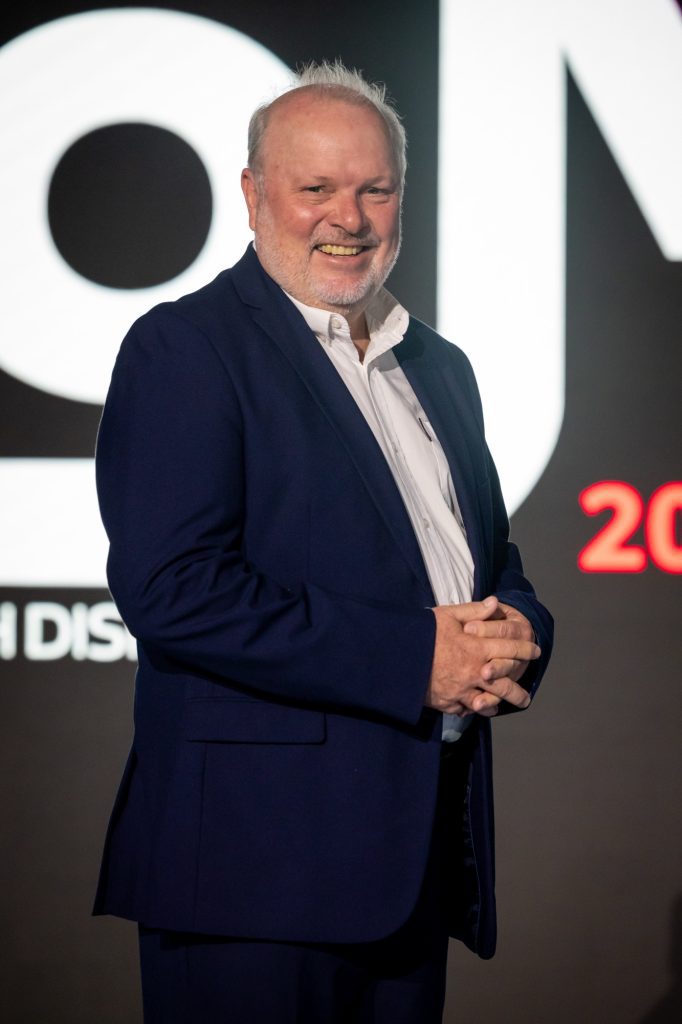
“In 2025, we remained unwavering in our mission of mobility for all. Despite new entrants and intensified competition, we maintained our market share and grew our volumes. We welcomed competition, and we remained resilient.”
That tone, confident but grounded, defined the session.
Looking Ahead: Future-Focused and Electrified
Beyond celebrating results, Toyota made it clear that 2025 is just the foundation for what comes next.
“Our ability to adapt has kept us relevant. The challenges we have faced have strengthened our competitiveness, and will continue to do so in the years ahead,” Theron added.
Central to that future is Toyota’s multi-pathway strategy, a pragmatic approach that embraces hybrid, plug-in hybrid, battery electric and hydrogen technologies rather than betting on a single solution.
For Africa, this balanced strategy makes sense. Infrastructure across the continent, including markets like Ghana, is evolving at different speeds. Hybrid technology offers an accessible step into electrification without requiring widespread charging networks, while BEVs signal the direction of travel.
The Big Reveals: Toyota’s New Energy Line-Up
Toyota didn’t just talk strategy, it showed product.
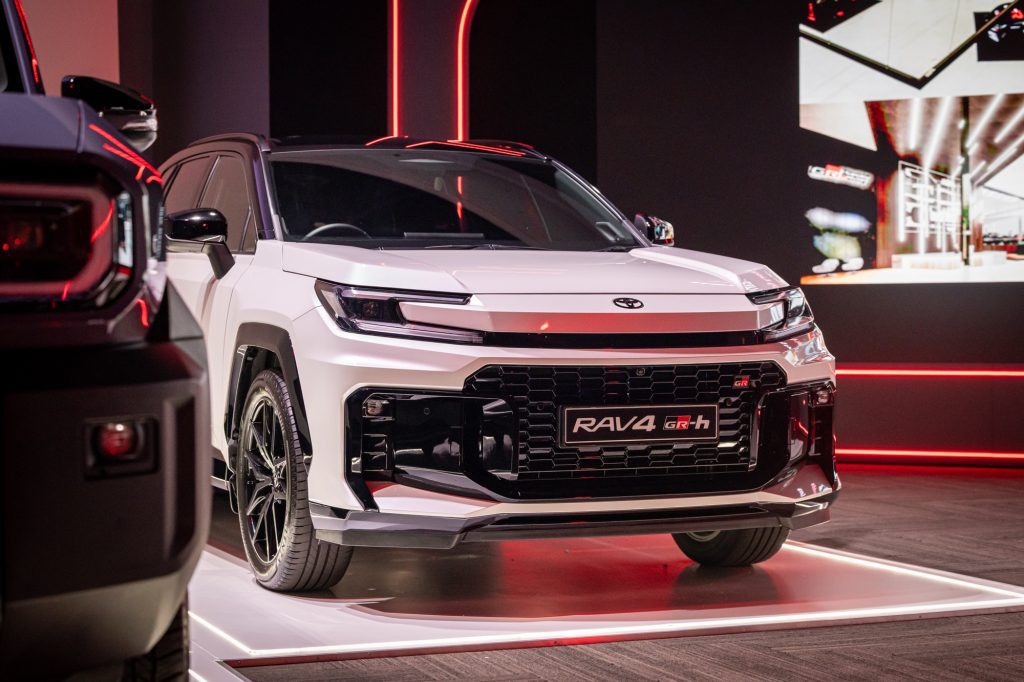
The expanded NEV line-up includes:
- Toyota bZ4X – Toyota’s first full Battery Electric Vehicle (BEV) in South Africa
- Toyota RAV4 HEV and PHEV
- Corolla Cross GR-S HEV
- Land Cruiser 300 1M-HEV
- Lexus RZ BEV and RZ 600e BEV
The headline act? The bZ4X. Toyota’s first all-electric SUV in South Africa signals that the brand is ready to compete seriously in the EV space. For African markets watching from the sidelines, this is a meaningful milestone. Historically, new Toyota models introduced in South Africa often ripple into other African markets, including Ghana, through imports or later distribution cycles.
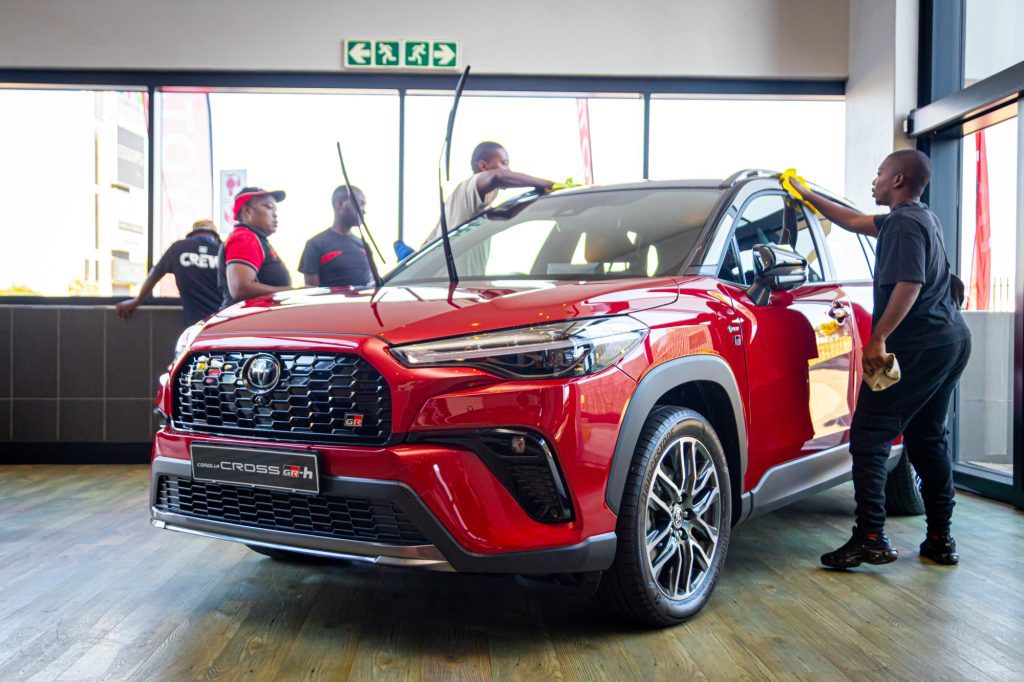
The RAV4 and Corolla Cross hybrids reinforce Toyota’s belief that hybrid remains the sweet spot for many African consumers. Lower fuel consumption without charging anxiety? That’s a compelling mix.
Even the mighty Land Cruiser joins the electrified conversation with mild-hybrid tech, proving that performance and efficiency can coexist.
Gazoo Racing Turns Up the Heat
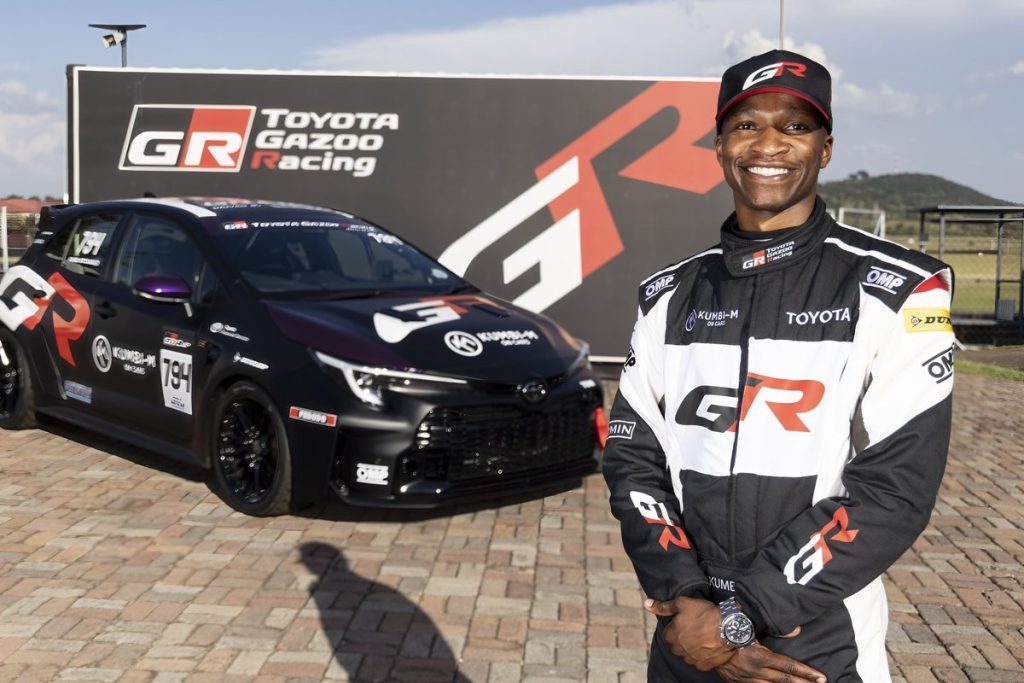
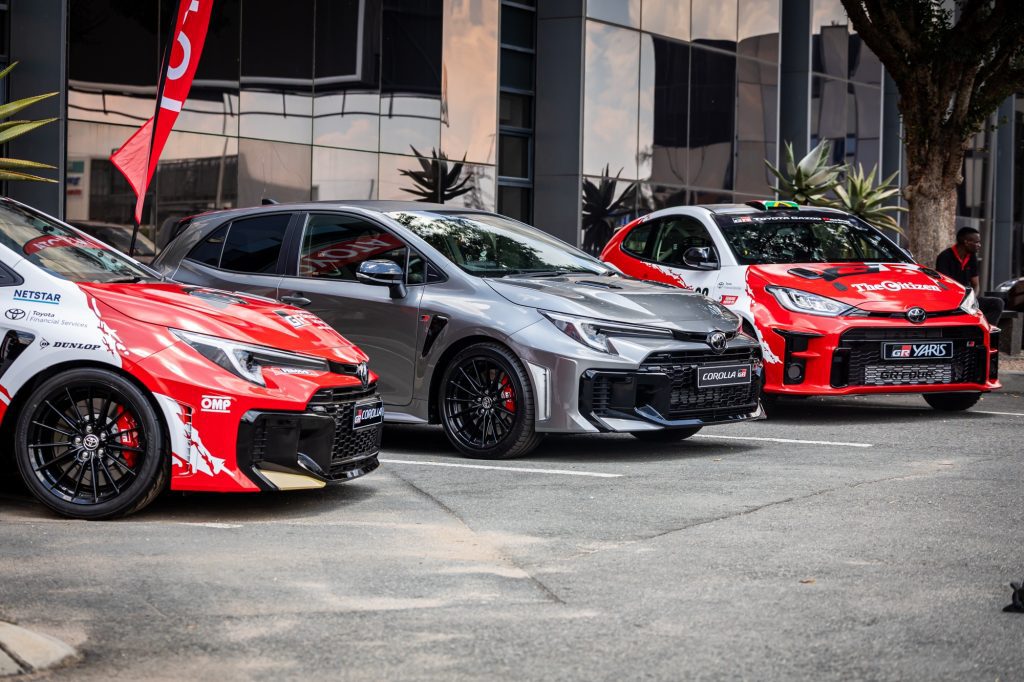
Performance wasn’t left in the pits. Gazoo Racing (GR) now stands as a separate brand entity locally, reinforcing Toyota’s performance credentials.
A new collaboration with a certified modification facility will bring factory-approved performance upgrades closer to enthusiasts. Add to that the launch of GR Parts, a dealership-based performance accessory range, and it’s clear Toyota is leaning into the enthusiast genre.
The upcoming GR Cup Media Challenge will see journalists swap notebooks for helmets in a seven-race series across South Africa. Our own Kumbi Mtshakazi (KumbiM On Cars) is one of the journalists chosen. Motorsport remains a powerful ecosystem builder, sharpening technical skills and inspiring the next generation of engineers across the continent.
Why This Matters Beyond South Africa
South Africa remains Africa’s automotive powerhouse. Many vehicles circulating in other African markets, including Ghana, trace their supply chains back to South African operations.
Toyota’s strength therefore has continental implications:
Stable supply chains Technical expertise After-sales support frameworks Early access to electrified models
As Africa gradually shifts toward cleaner mobility, South Africa’s pace often sets the tone. Ghana, in particular, is watching closely as it advances its own automotive development ambitions.
Toyota has proven it can defend its leadership in a fiercely competitive market. Now, it’s positioning itself for an electrified, performance-driven future, without abandoning the practical realities of African mobility.
Resilient. Agile. Slightly electrified.
And, judging by the GR rumble in the background, still very much fun.
Toyota and Ghana
Adding to the sense that Toyota’s momentum is not confined to South Africa, its operations in Ghana are also entering an exciting new phase. Almost at the time of SOMI, Toyota Tsusho Manufacturing Ghana (TTMG), formerly Toyota Ghana, unveiled a refreshed brand identity and leadership structure and team in Accra, signalling a renewed focus on serving local mobility needs. The newly appointed Managing Director, Takeshi Watanabe, emphasised a stronger customer experience and digital innovation with the launch of “MyToyota Connected Services,” and confirmed that Ghana will officially see its first hybrid Toyota model, beginning with an all-new RAV4 with a hybrid electric system. The move underscores a broader push to expand Toyota’s product range and electrification footprint in West Africa, aligning with trends showcased at SOMI. Toyota Ghana sources the Hilux and Fortuner from South Africa.
For Africa, and for Ghana, that’s a journey worth watching.

Leave a Reply