
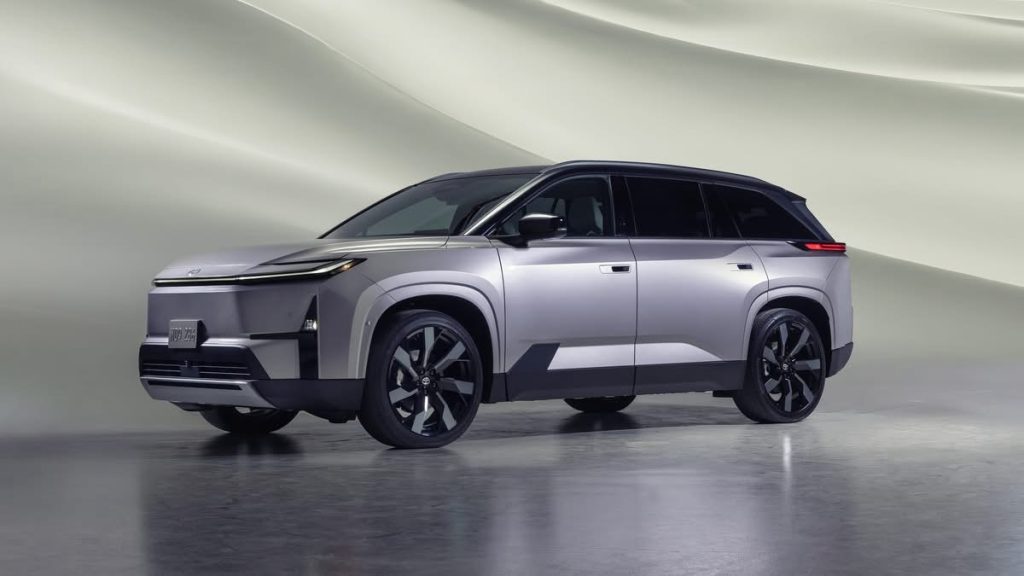
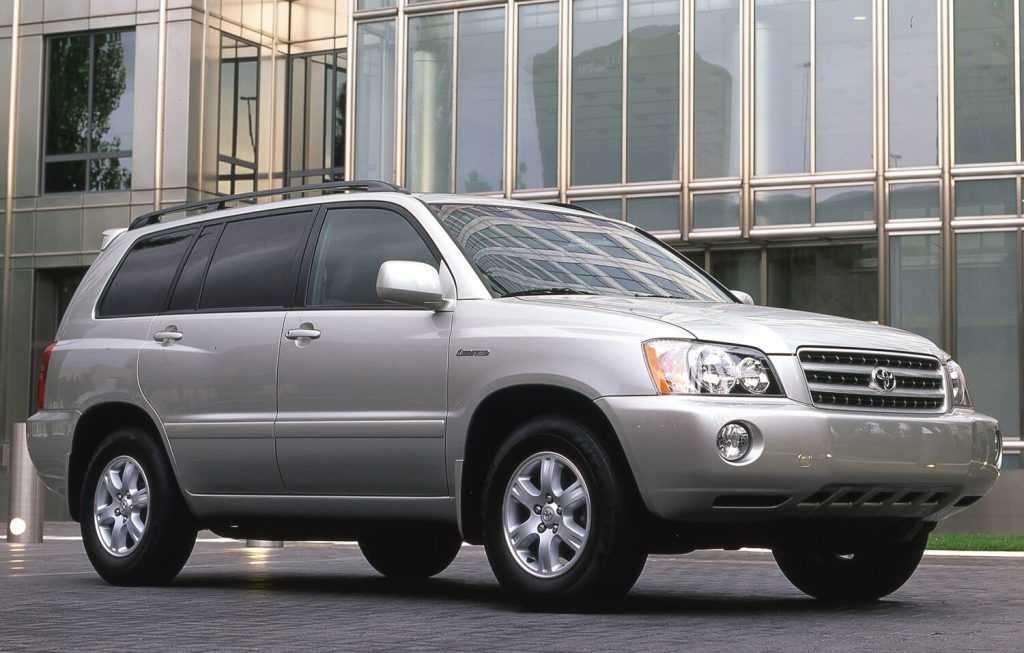
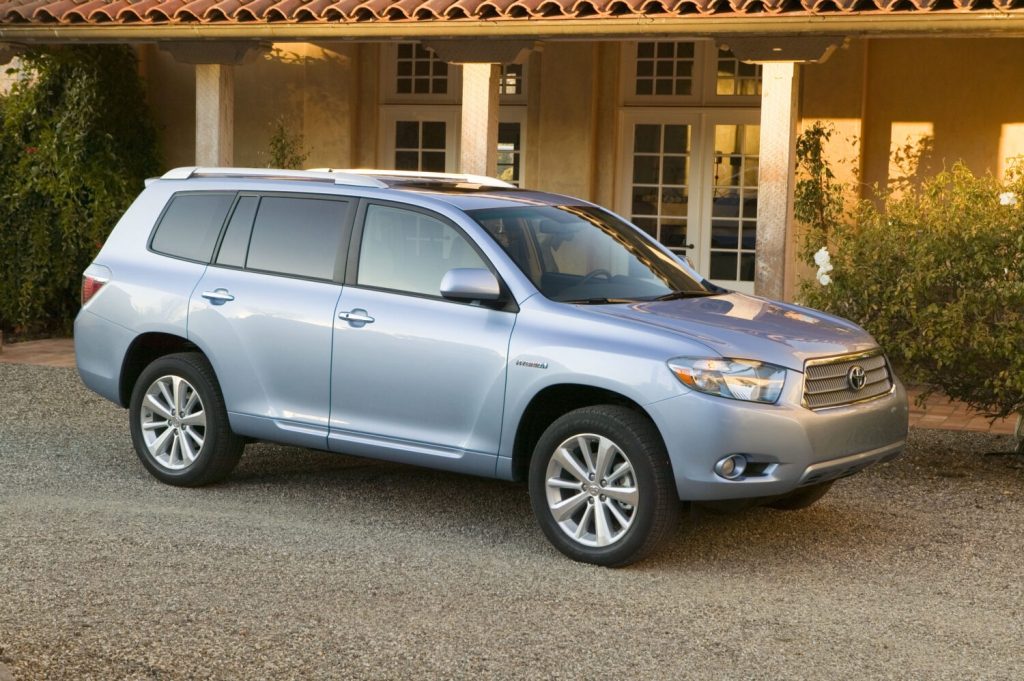
The Toyota Highlander has always had a special relationship with Ghana since the first gen.
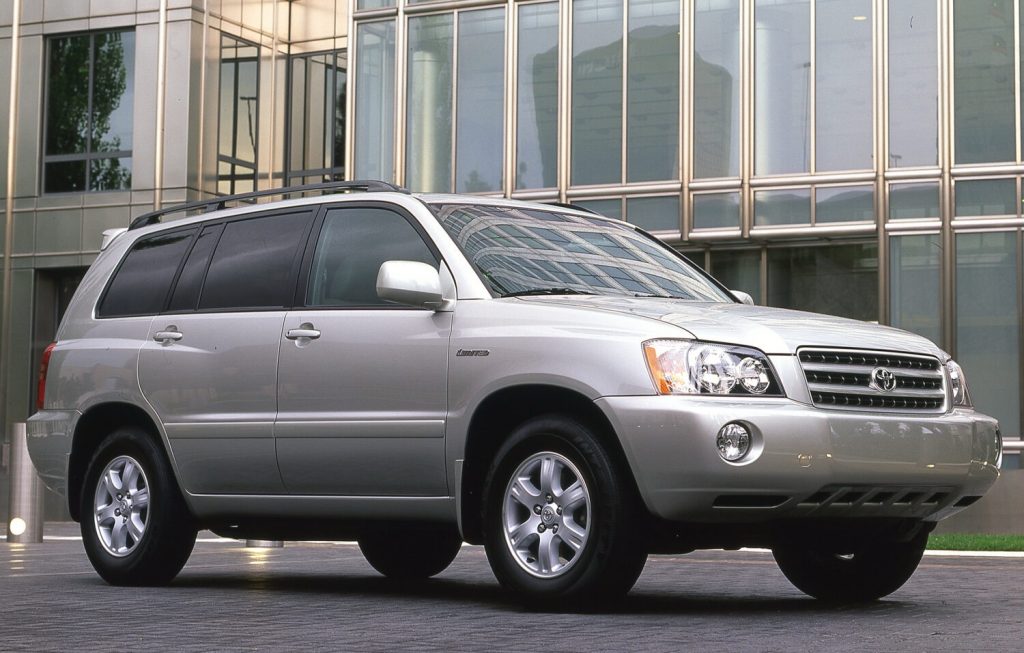
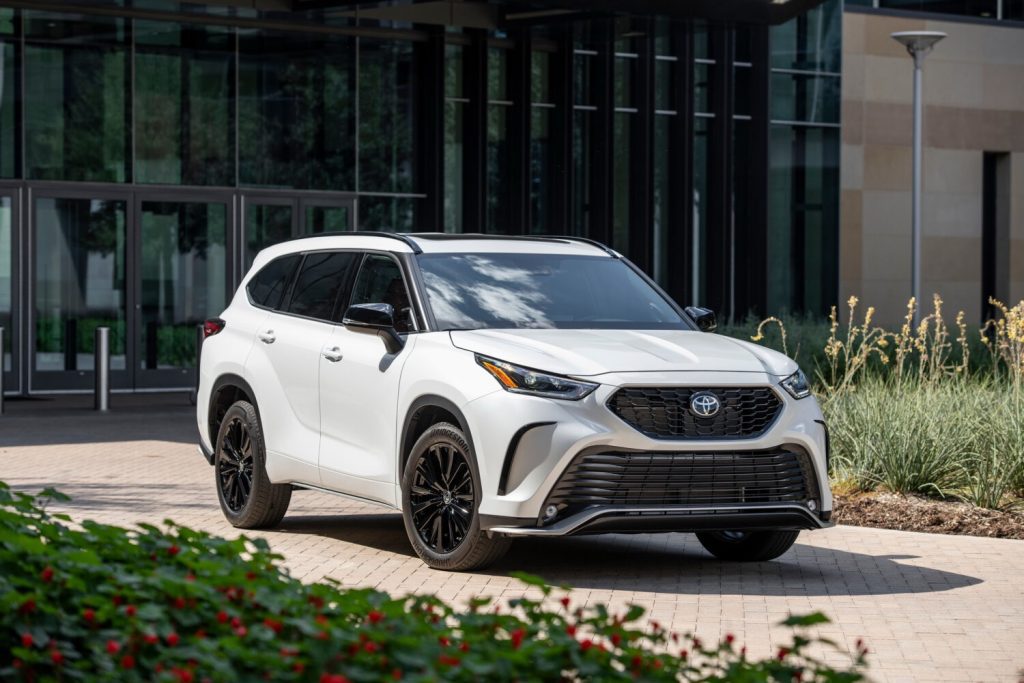
Even though Toyota does not officially offer it, the Highlander remains one of the most popular American-sourced SUVs on our roads. The highlander is always on the list of many buyers importing new or salvage units from the U.S.
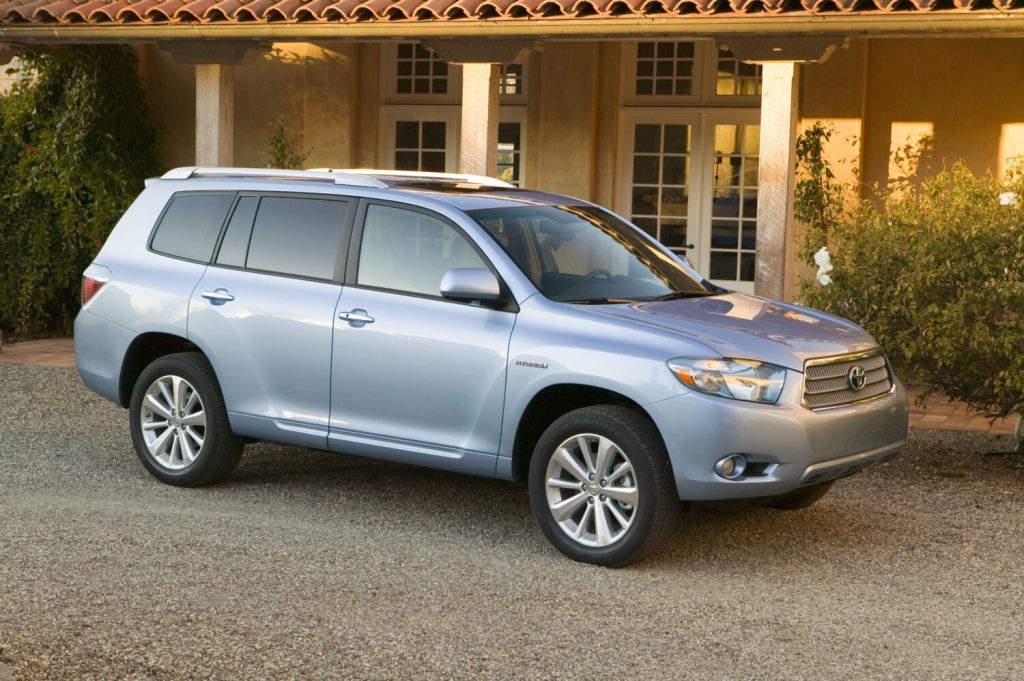
Now for 2027, Toyota has done something radical.
They’ve taken one of America’s most trusted three-row SUVs and turned it fully electric.
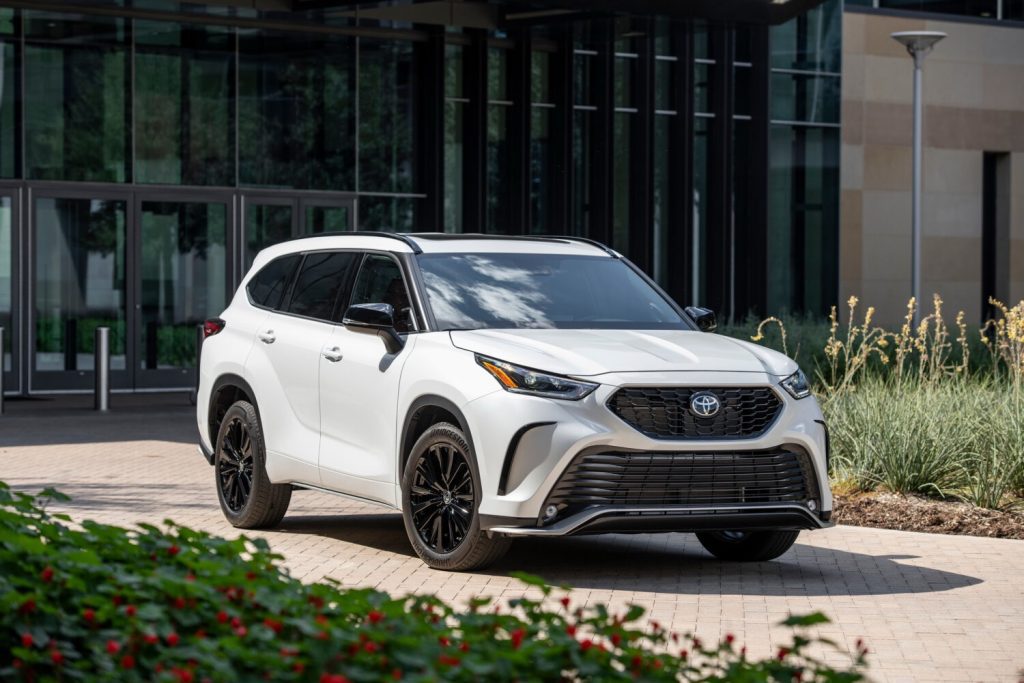
Let’s break it down properly.
A Bold Shift to Battery Power
The biggest headline is simple, the 2027 Highlander is now a battery-electric vehicle (BEV). Toyota positions it as its first fully electric three-row SUV in the U.S. market, expanding its growing EV portfolio.
Depending on configuration, Toyota estimates a range of up to approximately 320 miles (about 515km). Buyers will be able to choose between front-wheel drive and all-wheel drive layouts, offering flexibility depending on performance and traction needs.
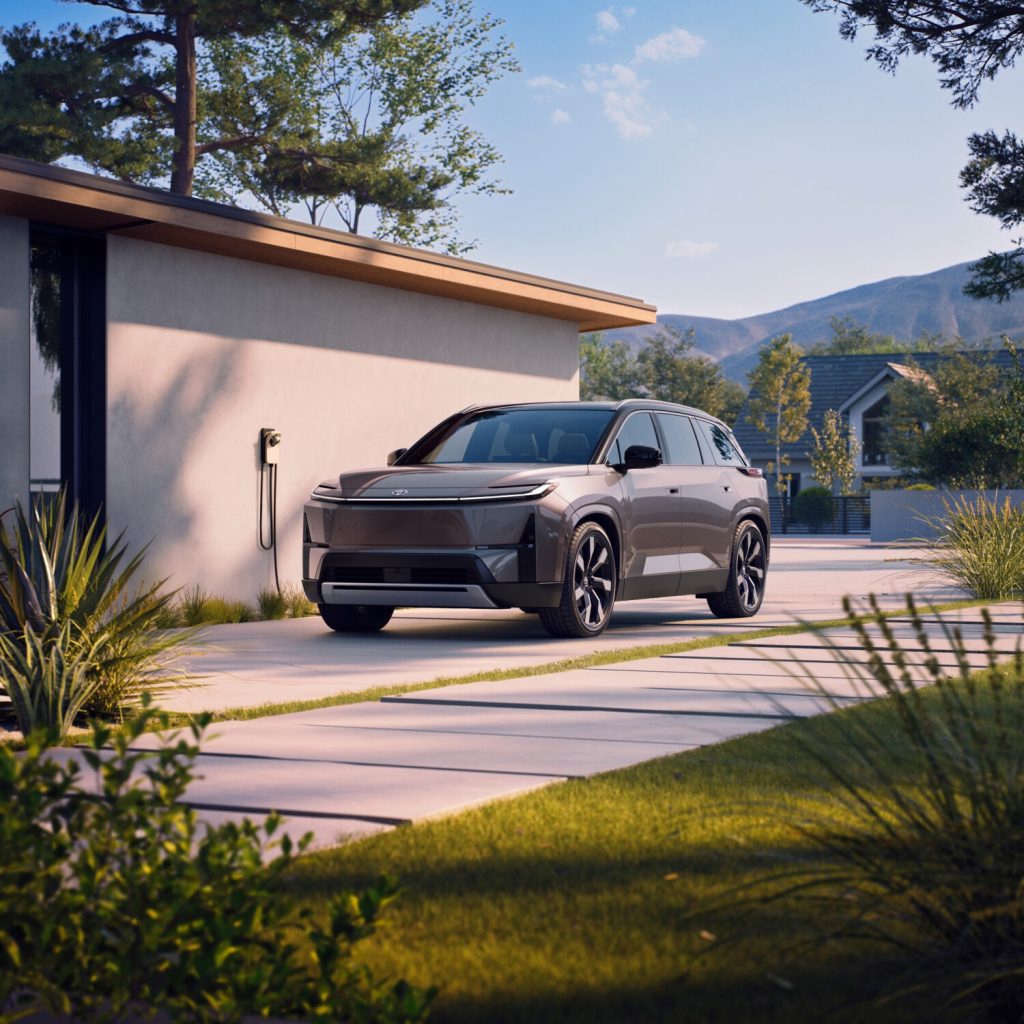
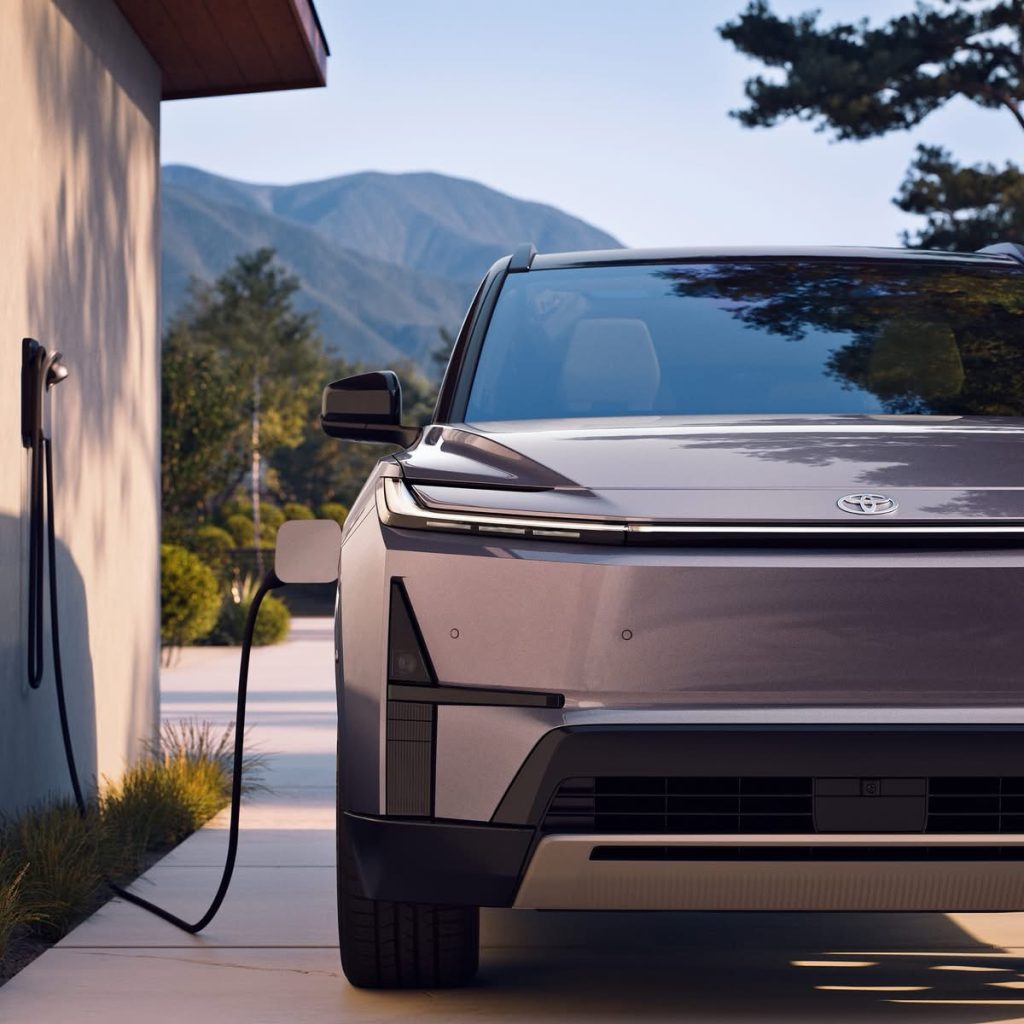
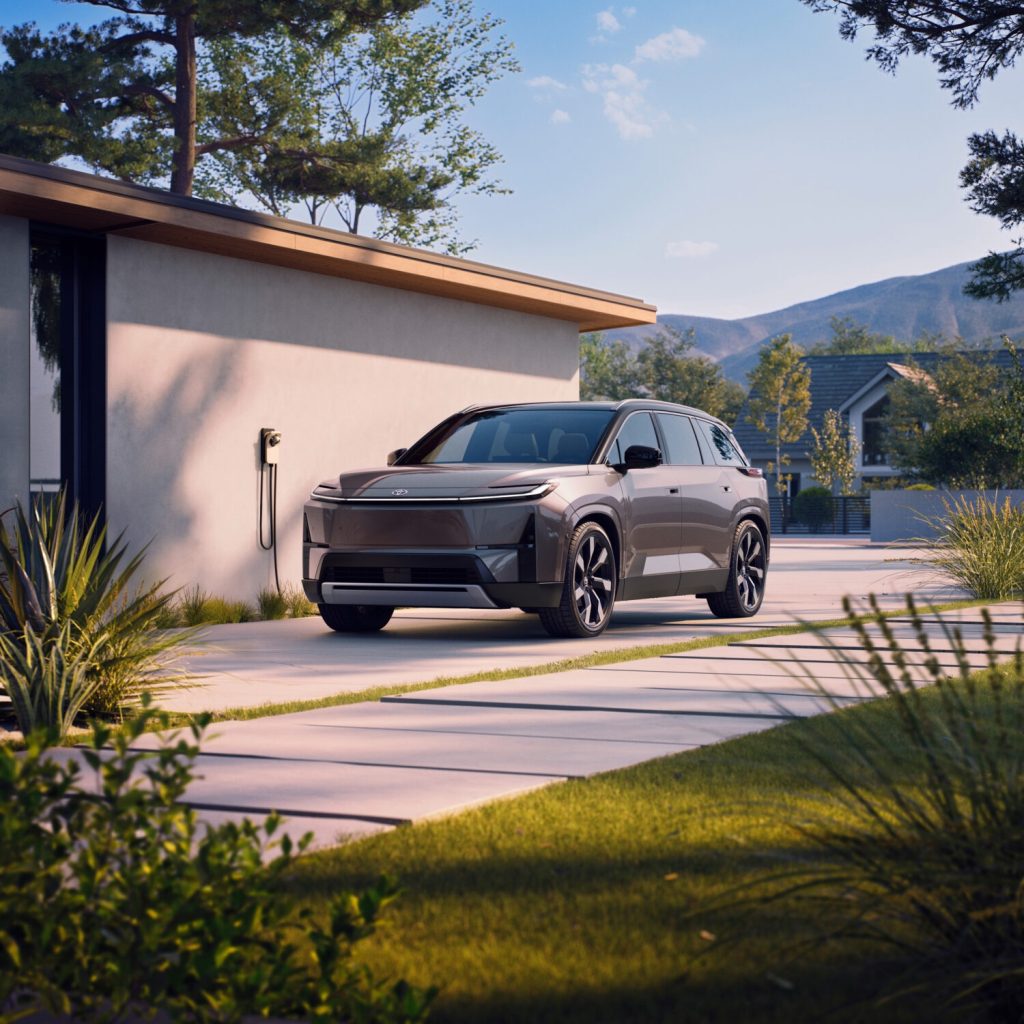
The model is also equipped with a North American Charging System (NACS) port, aligning it with the broader fast-charging ecosystem across the United States. It signals Toyota’s intent to integrate seamlessly into existing infrastructure rather than reinvent the wheel.
For a nameplate traditionally associated with petrol V6 engines and hybrid efficiency, the shift to full electric is a significant evolution.
Sharper, Cleaner Design
The design language reflects the transition.
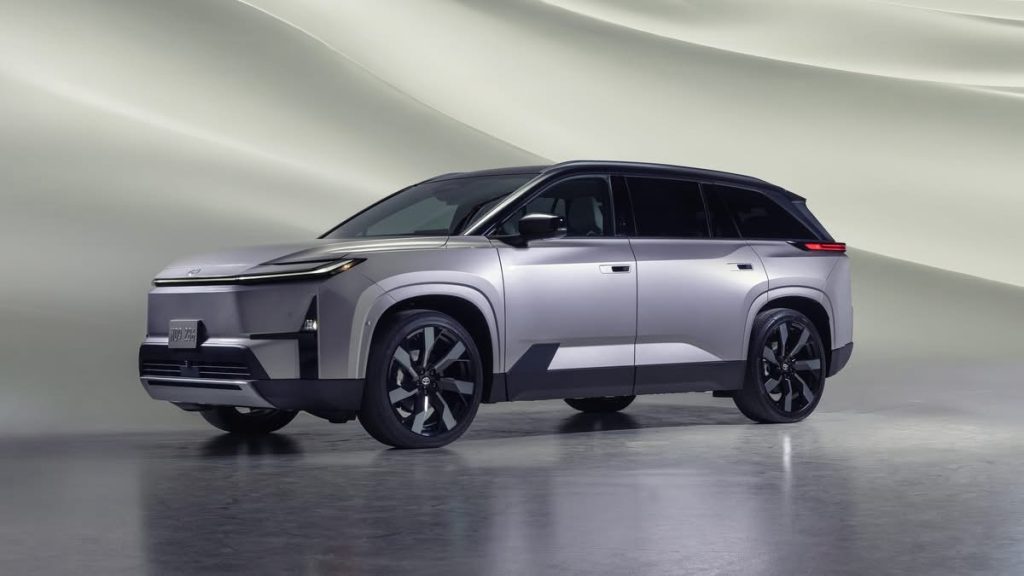
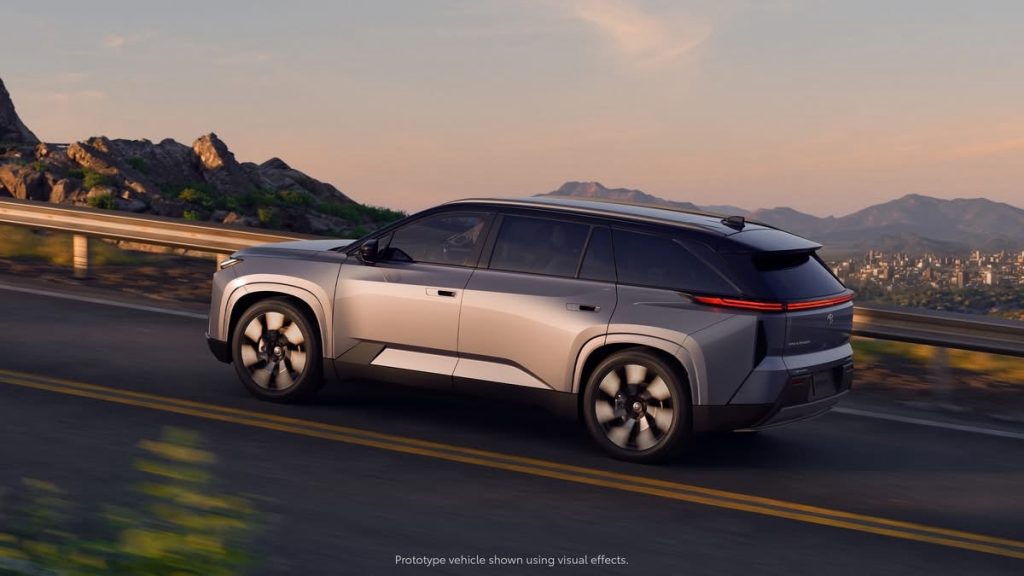
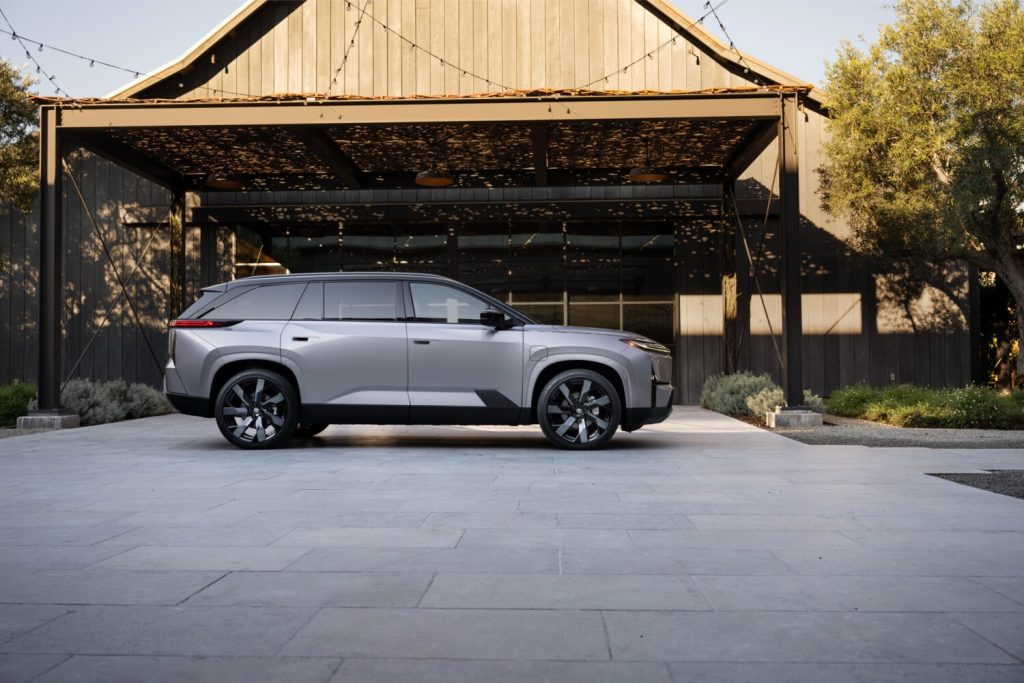
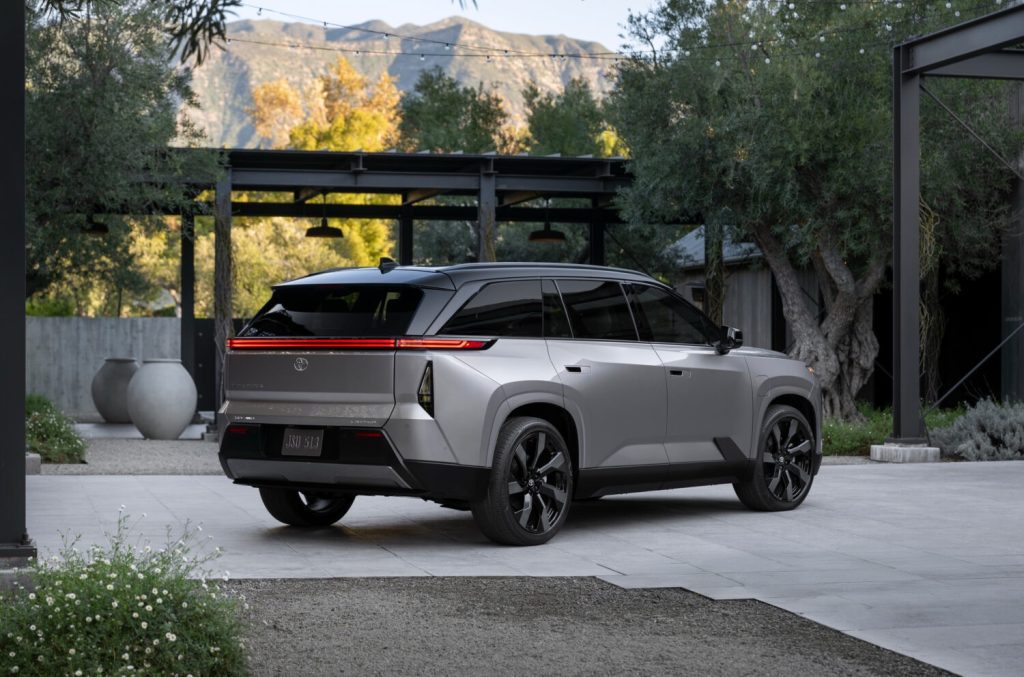
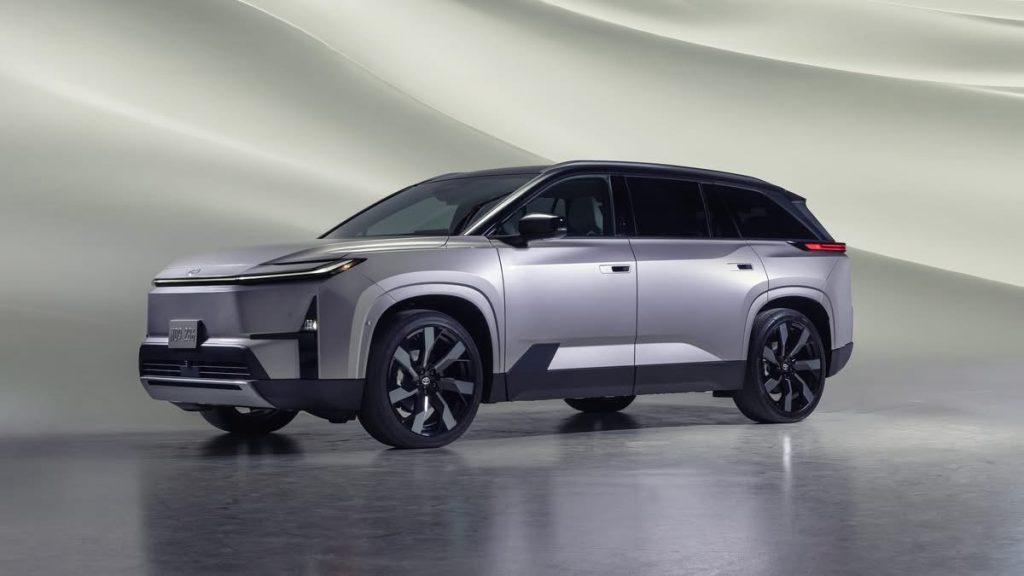
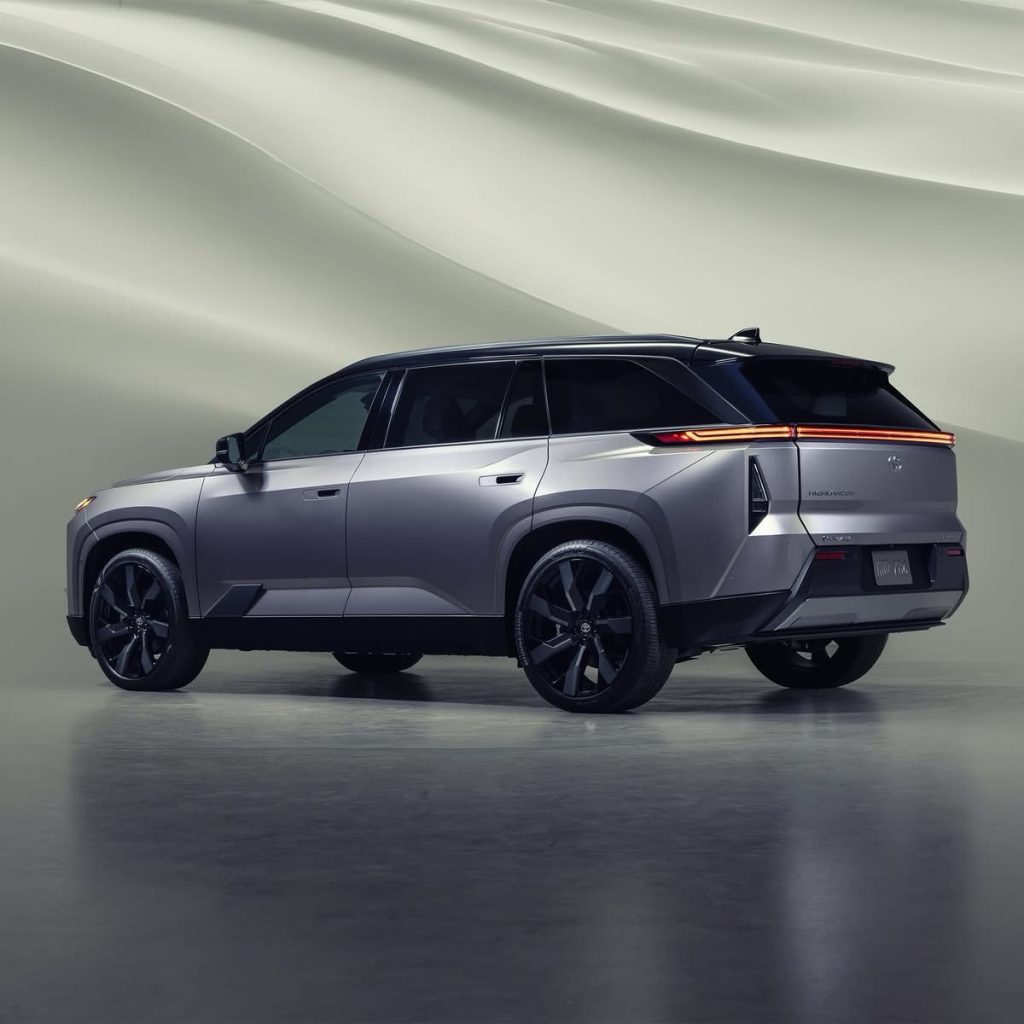
The new Highlander adopts a sleeker, more modern appearance. Flush door handles, sculpted body lines and confident fender treatments give it a cleaner profile. LED lighting elements front and rear sharpen its visual identity without abandoning the upright proportions that have defined the Highlander for decades.
Inside, the transformation is even more apparent.
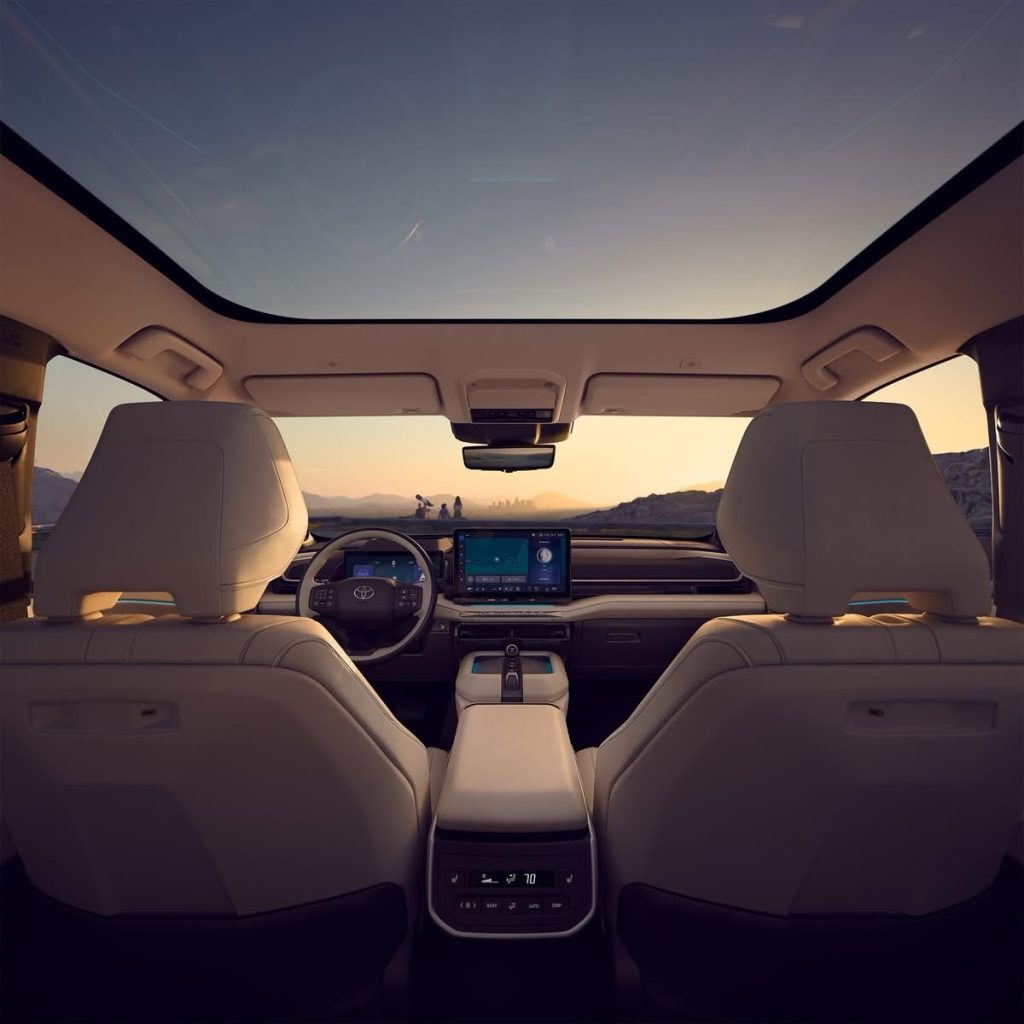
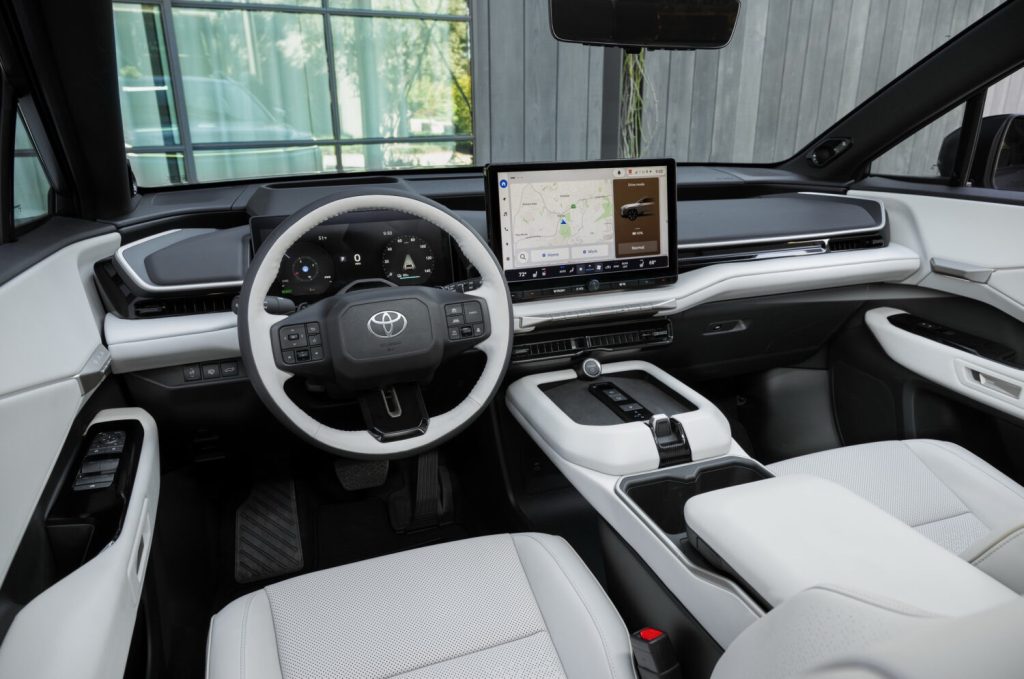
The cabin centres around technology. A large 14-inch central touchscreen dominates the dashboard on higher trims, complemented by a 12.3-inch digital instrument cluster. The layout feels simplified yet premium, balancing functionality with contemporary aesthetics.
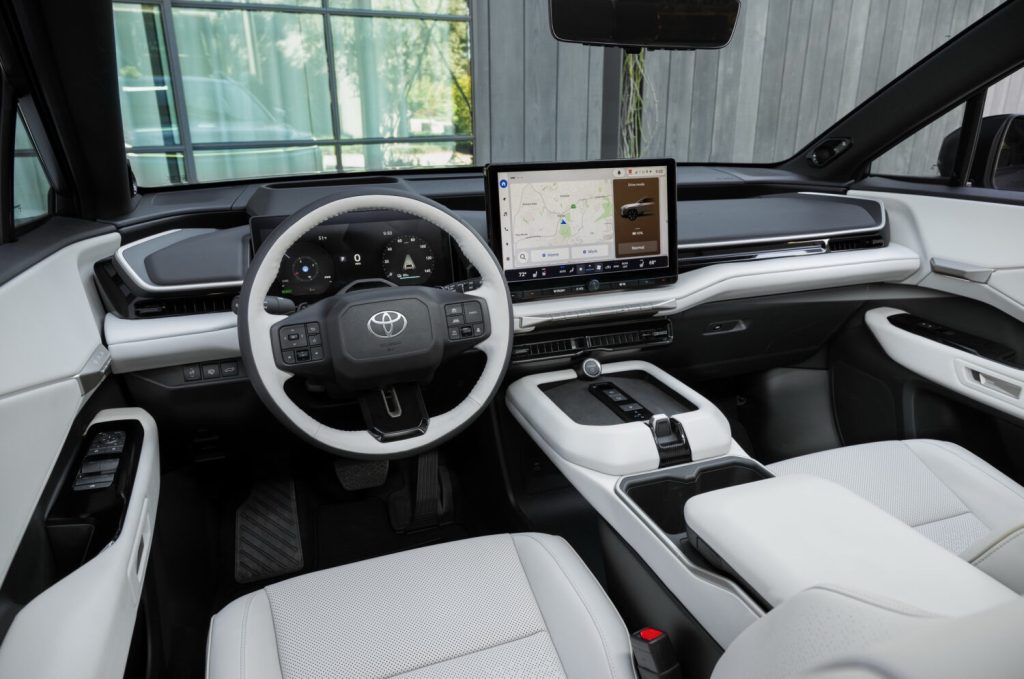
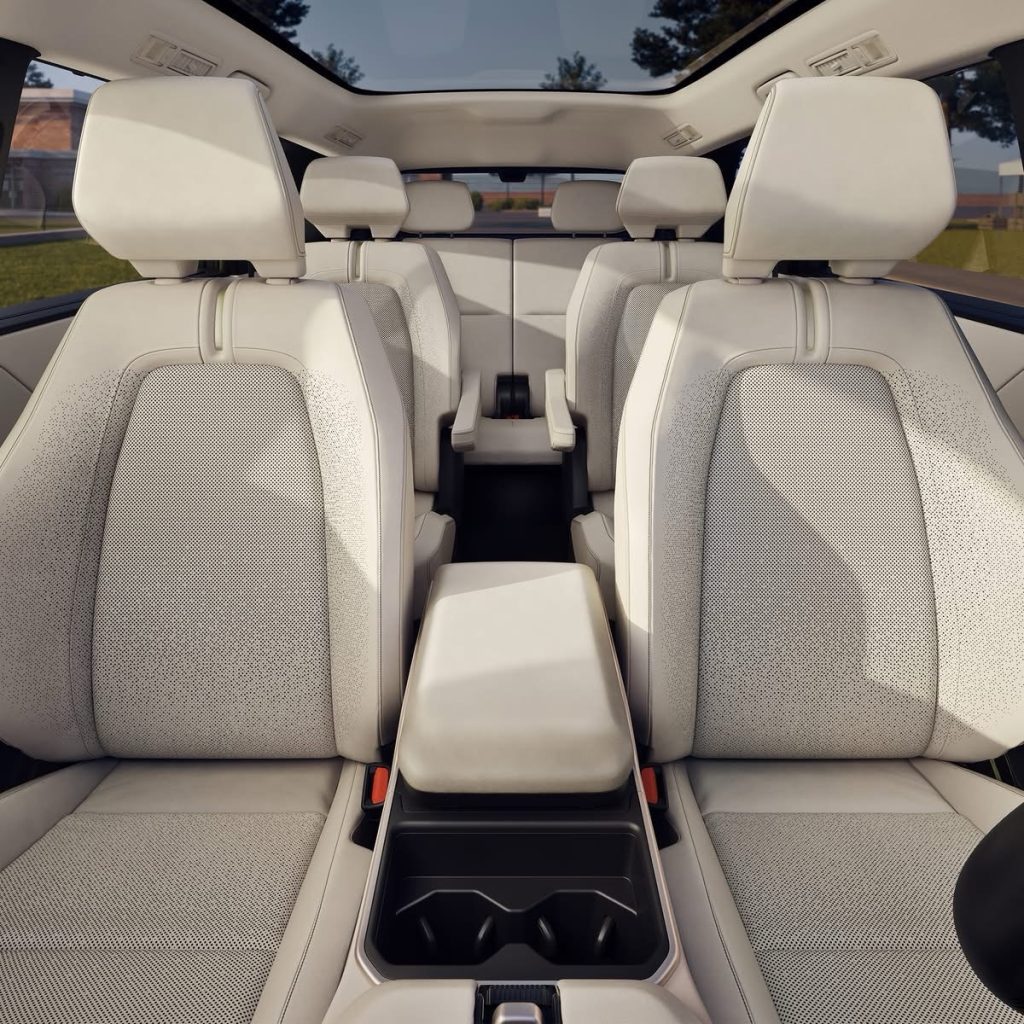
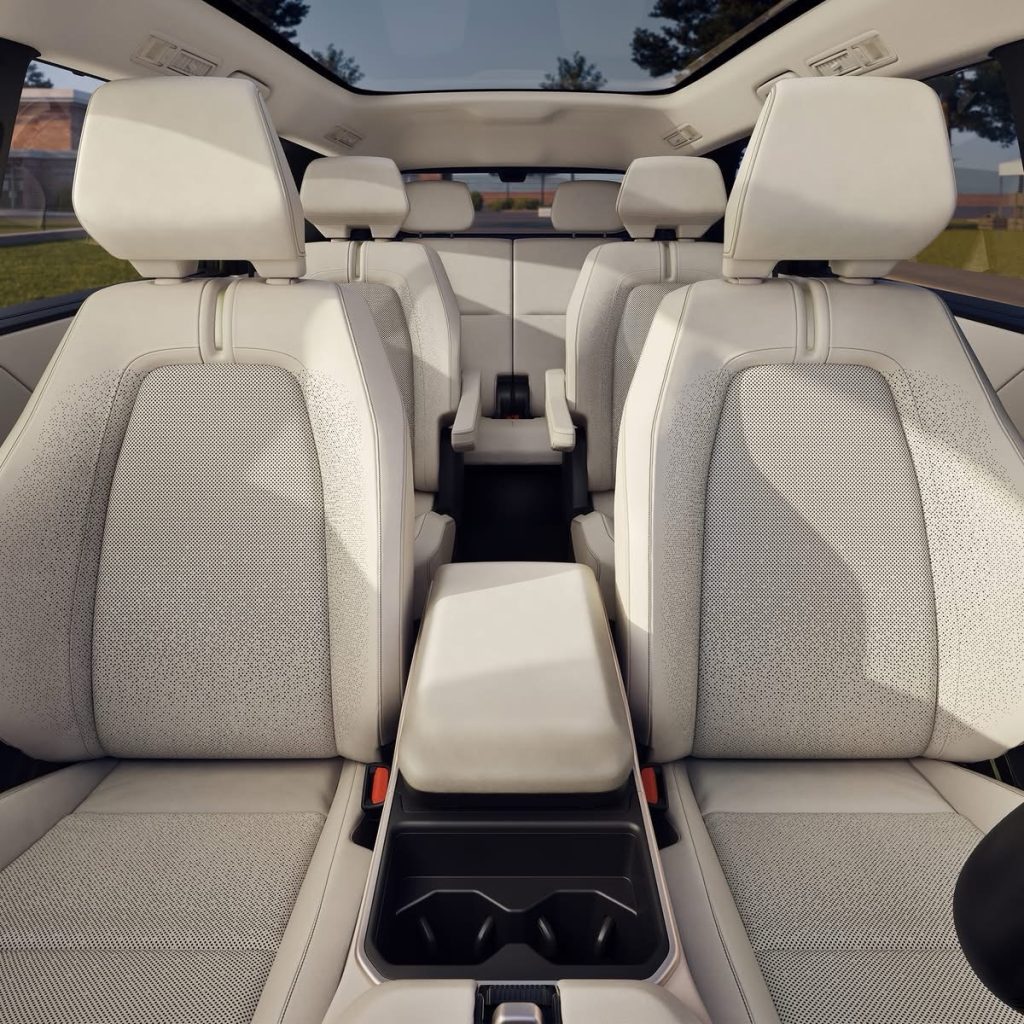
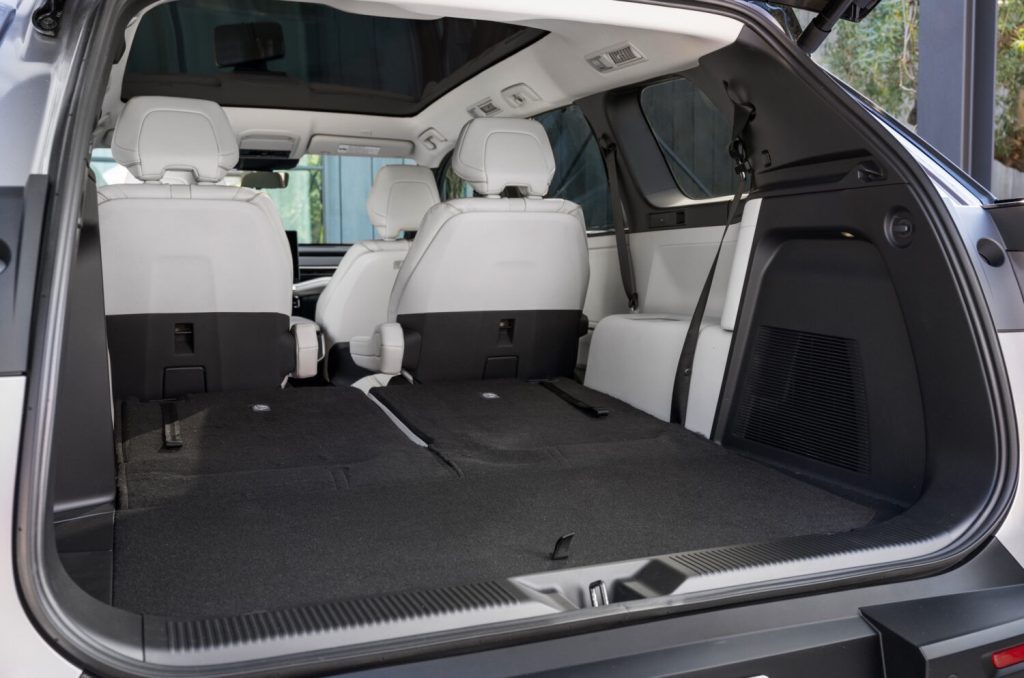
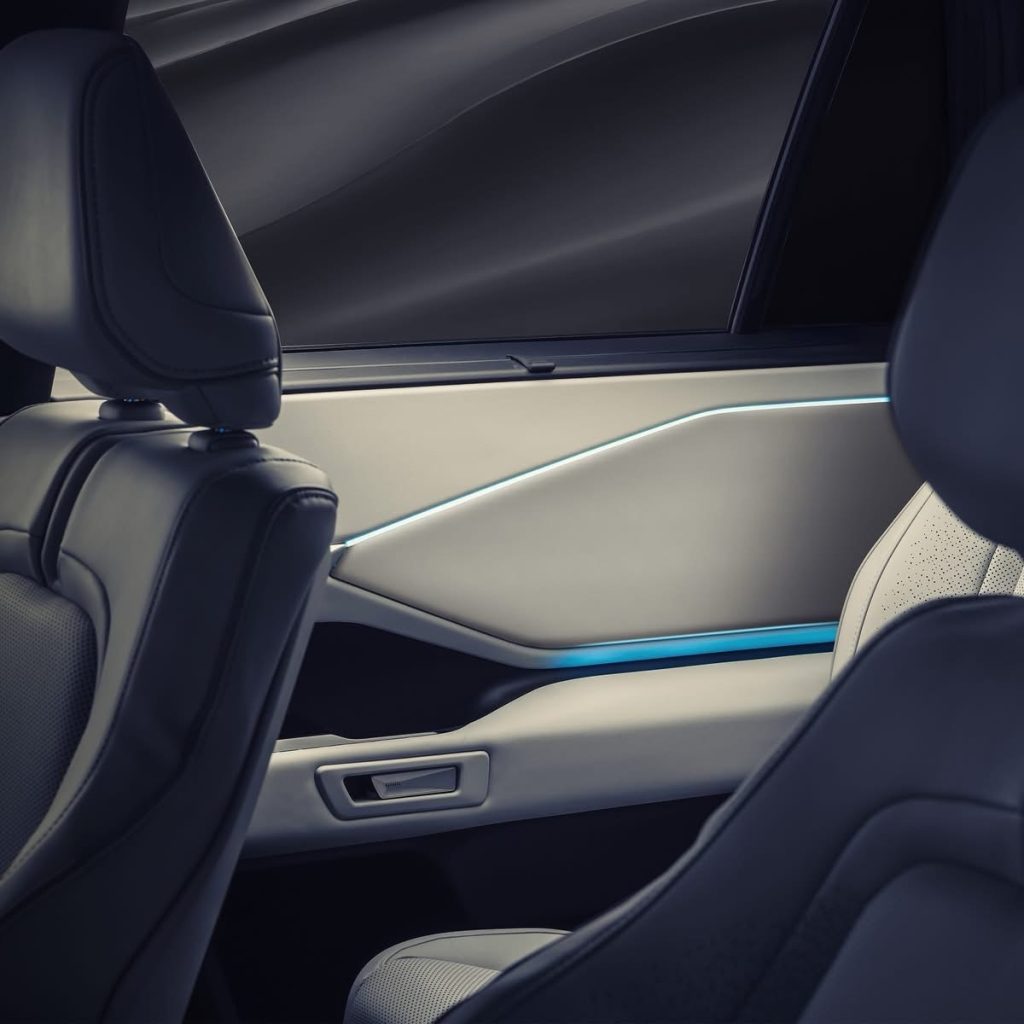
Ambient lighting, multiple USB-C ports, available panoramic roof options and a premium JBL audio system further elevate the interior experience. Despite the technological leap, the Highlander retains what matters most: three rows of seating and the versatility that families expect.
Technology Beyond Transportation
The 2027 Highlander introduces more than just electric propulsion.
Toyota includes its latest Safety Sense suite, featuring advanced driver assistance technologies such as adaptive cruise control, lane keeping assistance and collision mitigation systems. Parking assistance features and digital convenience tools aim to reduce stress in everyday driving scenarios.
A particularly noteworthy addition is Vehicle-to-Load (V2L) capability. This allows the Highlander to power external devices, effectively turning the vehicle into a mobile energy source. Whether for outdoor recreation, emergency situations or worksite use, it expands the SUV’s utility beyond simple transportation.
A Defining Moment for the Highlander
The Highlander has historically represented dependable family mobility, comfortable, spacious and quietly capable. By transitioning it to full electric power, Toyota is not merely updating a model; it is redefining its identity.
The question now is not whether the Highlander can succeed as an electric vehicle, but whether Ghanaian highlander buyers are ready to embrace this next chapter of a familiar nameplate.
What is clear is this: the 2027 Toyota Highlander marks a turning point. Elevated in style, modern in power, and uncompromising in practicality, it signals Toyota’s confidence that the future of the family SUV is electric.



Leave a Reply