
Growing up, Jaguar was the road master.
There were not many of them around town, but everybody seemed to know them. You knew the cars, and quite often you knew who owned them. A Jaguar had presence. It didn’t need fluorescent paint, enormous screens or an explanation from a branding agency. It simply rolled past and announced that whoever was behind the wheel had arrived.
That is part of why Jaguar matters so much to car enthusiasts.
It was never merely another premium manufacturer competing with Mercedes-Benz, BMW or Audi. Jaguar represented something distinctly British: elegance mixed with speed, just enough eccentricity, and the idea that a fast luxury car didn’t have to shout about how fast or luxurious it was.
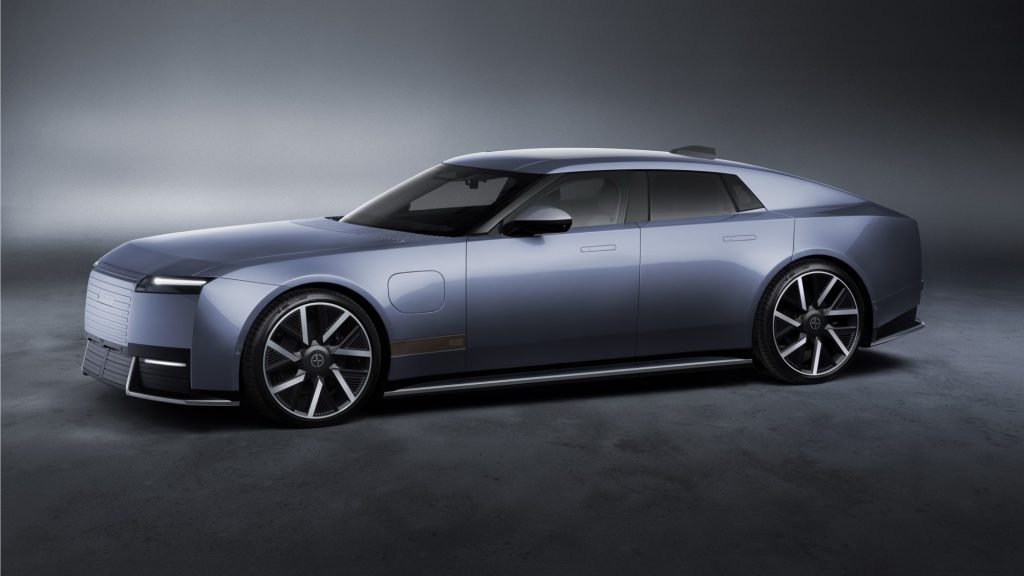
And now we have the Jaguar Type 01.
It is perhaps the most un-Jaguar Jaguar imaginable.
And strangely, that might be both its greatest strength and its biggest problem.
Jaguar certainly got our attention
Before Type 01, of course, came the rebrand.
In late 2024 Jaguar wiped its social-media history, introduced a dramatically different visual identity and released the now-infamous car-free campaign built around phrases such as “Copy Nothing” and “Delete Ordinary”. The internet reaction went somewhere beyond criticism and into full nuclear meltdown territory. Even people who hadn’t thought seriously about Jaguar for years suddenly had something to say about Jaguar.
To be fair, that revealed the strange problem Jaguar faced.
Millions of people loved the idea of Jaguar. Far fewer were buying Jaguars.
The company could hardly continue doing the same thing and expect a different outcome. Jaguar sales had fallen dramatically from their late-2010s levels, and the company deliberately decided to leave the crowded premium segment behind and reposition itself much higher up the luxury ladder.
The upheaval wasn’t limited to advertising, either. The period also brought significant management and creative change. Gerry McGovern, the influential JLR design chief closely associated with the reinvention and Type 00 concept, ultimately left JLR in March 2026 after more than two decades with the company.
Now the marketing exercise is over.
There is a real car.
And Jaguar has nowhere left to hide.
Type 01 is certainly not timid
Look beyond the controversy and the engineering is serious.
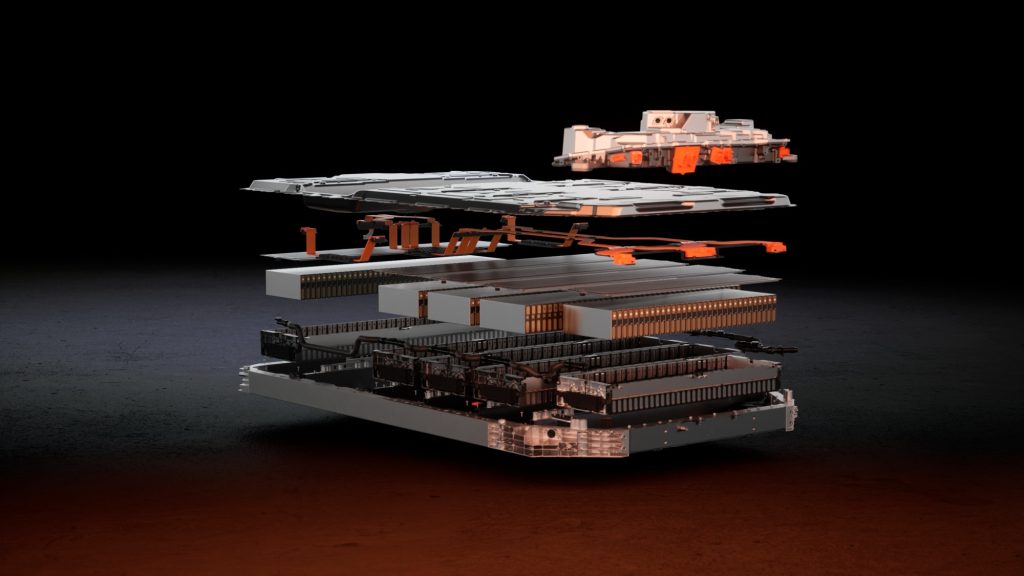
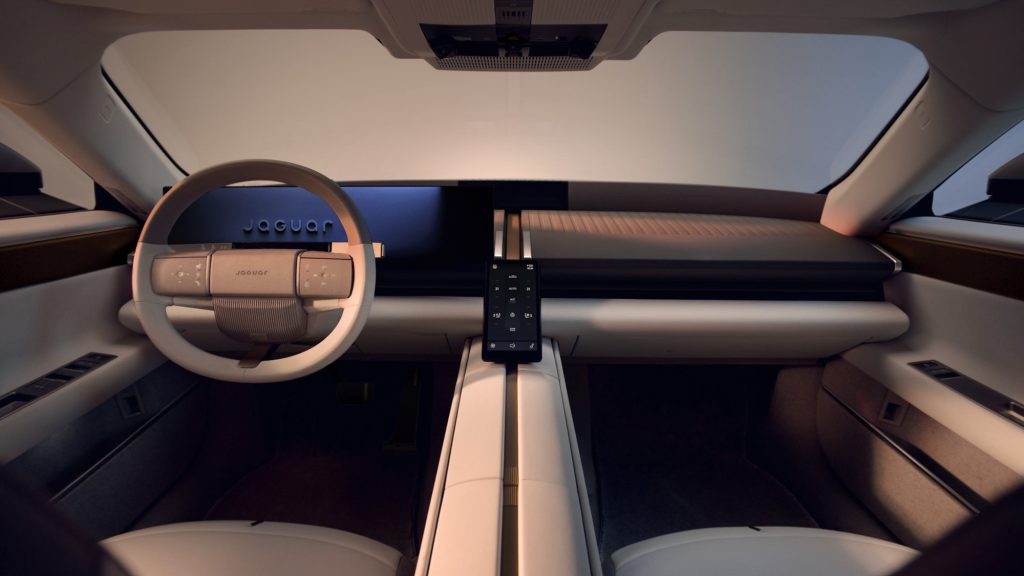
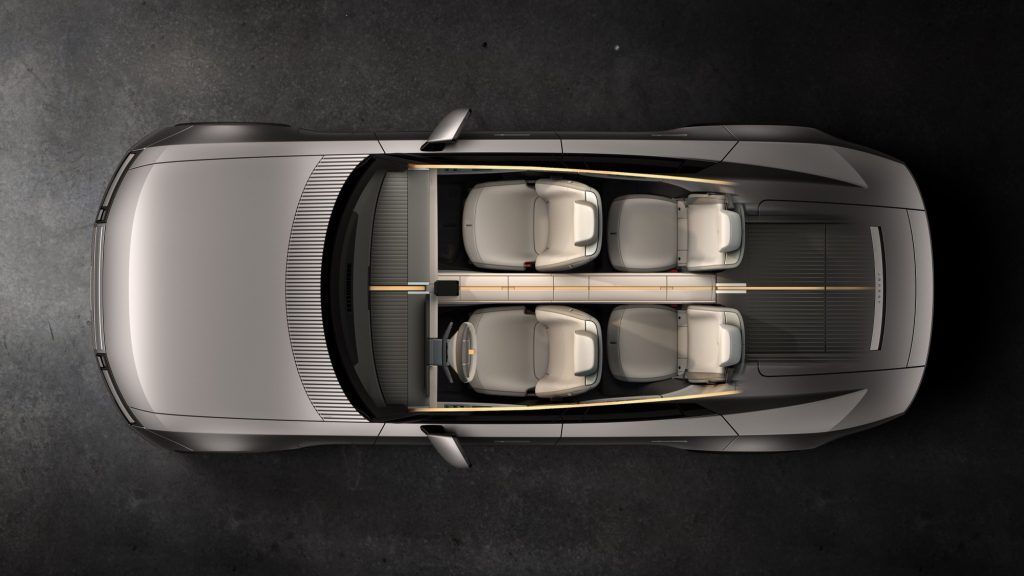
Type 01 is a huge four-door electric GT built on Jaguar’s dedicated JEA electric architecture. Jaguar says it has more than 1,000PS, an 850-volt electrical system, around 400 miles, roughly 644km, of targeted EPA range and the ability to add around 200 miles of range in 13 minutes on a 350kW charger. Prices start at £130,000, orders open early next year and first customer deliveries are expected in the second half of 2027.
The more detailed figures are even more outrageous: up to 757kW and 1,365Nm from its tri-motor drivetrain, 0-100km/h in about 3.2 seconds and 100-180km/h in just four seconds.
And yet I don’t think those numbers are the important part.
Electric cars have made enormous horsepower almost ordinary. A thousand horsepower no longer guarantees mystique. China can produce extraordinarily fast EVs. Silicon Valley can produce extraordinary software. Screens are inexpensive compared with developing a great engine, chassis or cabin.
The important question is whether 757kW feels like Jaguar.
Because Jaguar’s historic appeal was never simply horsepower.
It was how the car delivered it.
This is where Mate Rimac’s argument becomes interesting
Mate Rimac made a fascinating observation when discussing the future of European carmakers.
His argument was essentially this: Europe should stop trying to beat Chinese manufacturers at the things Chinese manufacturers have become exceptionally good at. European brands probably aren’t going to win a war based purely on bigger screens, cheaper electronics and more features per dollar.
Instead, Rimac argued that Europe, and Britain specifically, should exploit its heritage, craftsmanship and ability to build desirable high-value products.
His conclusion was wonderfully simple: “Stick to your heritage, do things differently.”
That does not mean Jaguar should spend the next 50 years making replicas of the E-Type.
Nor does it mean every Jaguar needs walnut veneer, Connolly-style leather and a supercharged V8.
Heritage isn’t cosplay.
Heritage means understanding why people cared about your products in the first place and translating those qualities into the next generation.
And this is where Type 01 becomes fascinating.
Because Jaguar may actually have followed half of Rimac’s advice perfectly.
It certainly isn’t trying to be a mass-market Chinese EV.
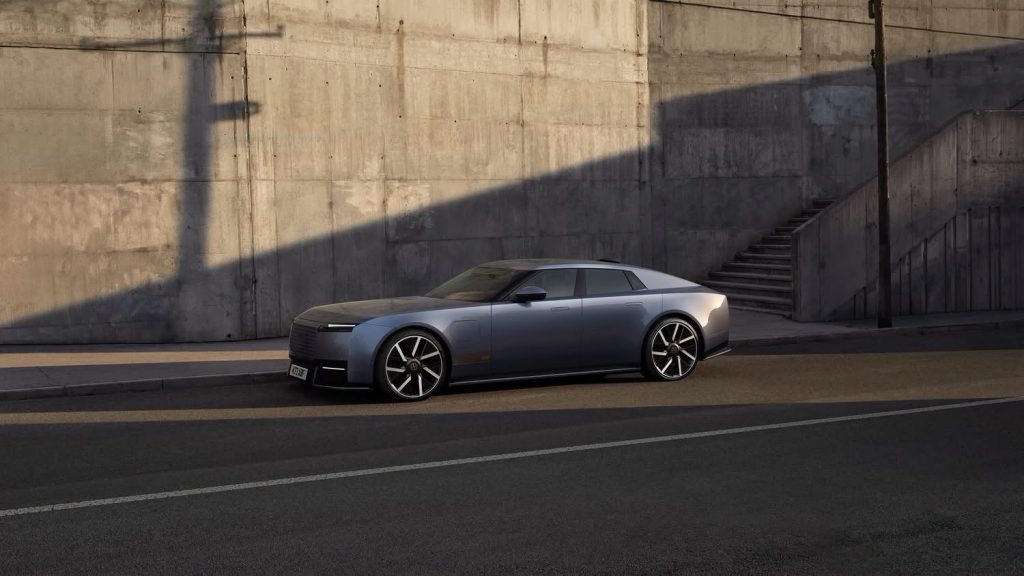
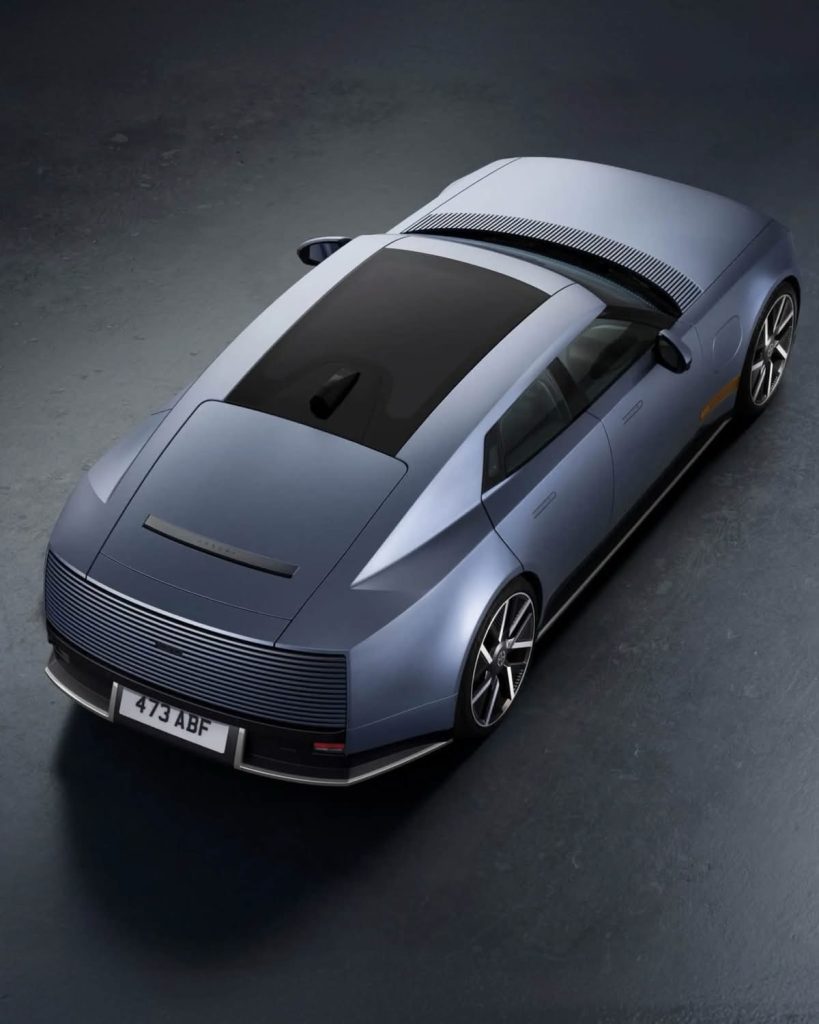
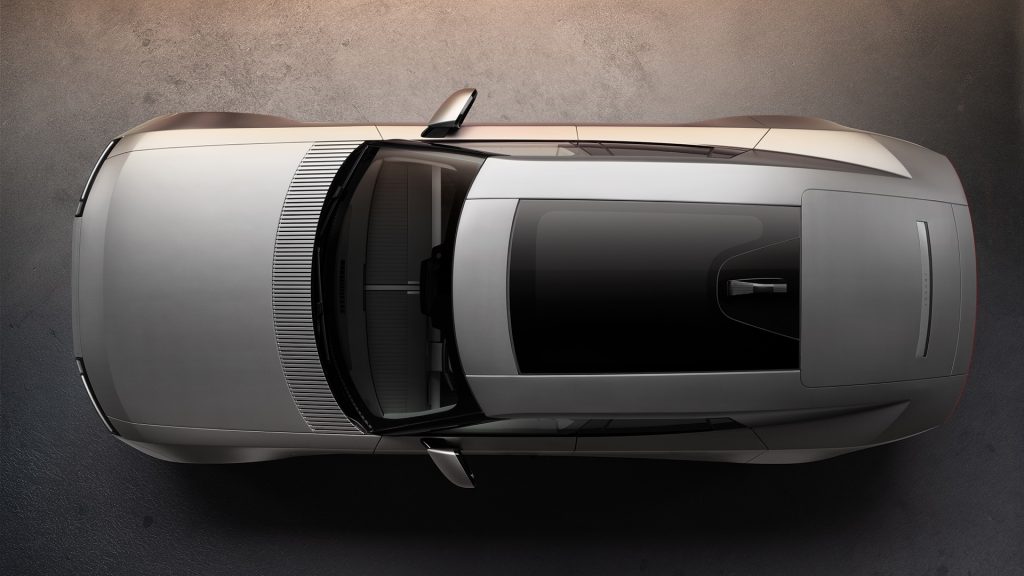
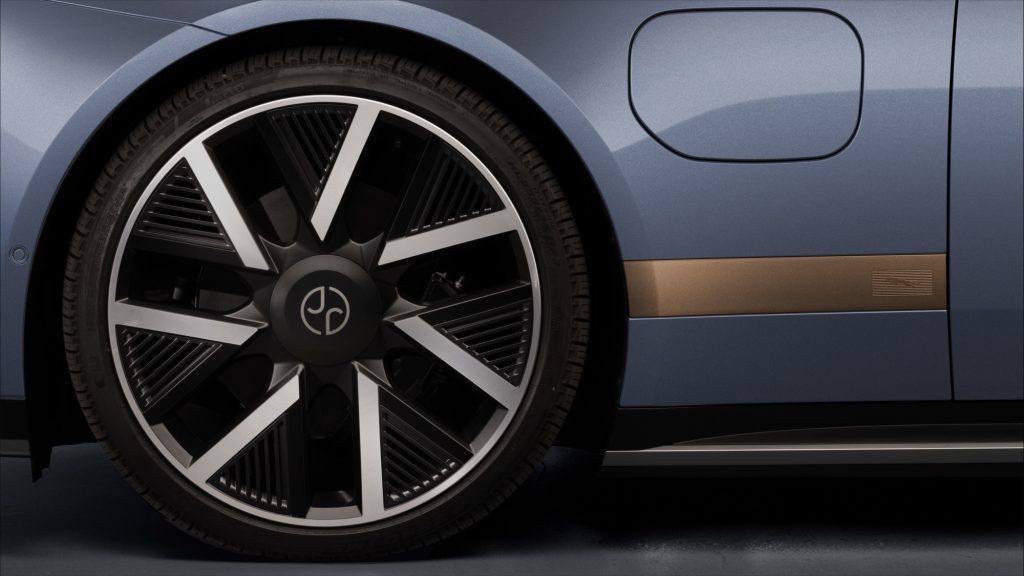
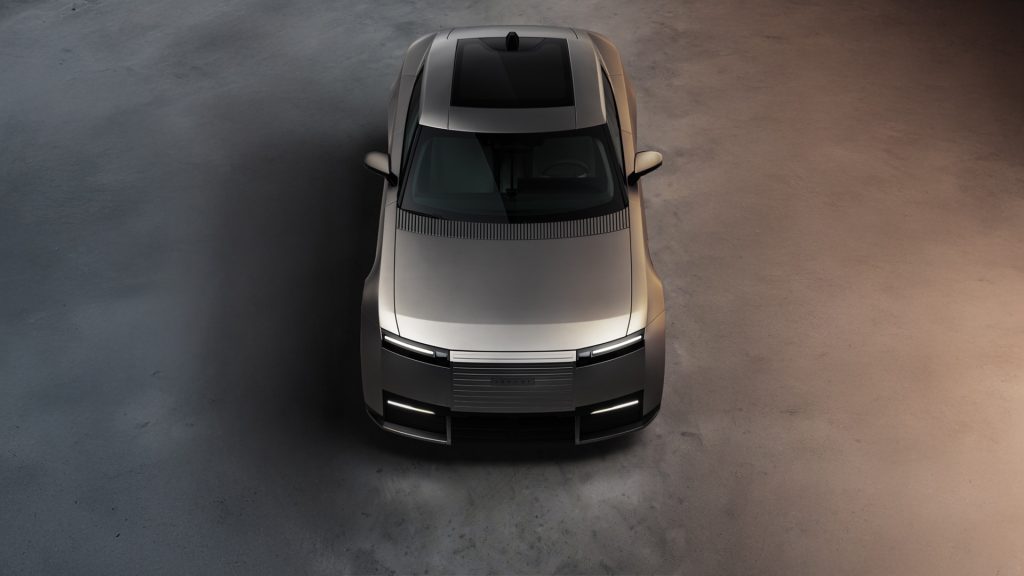
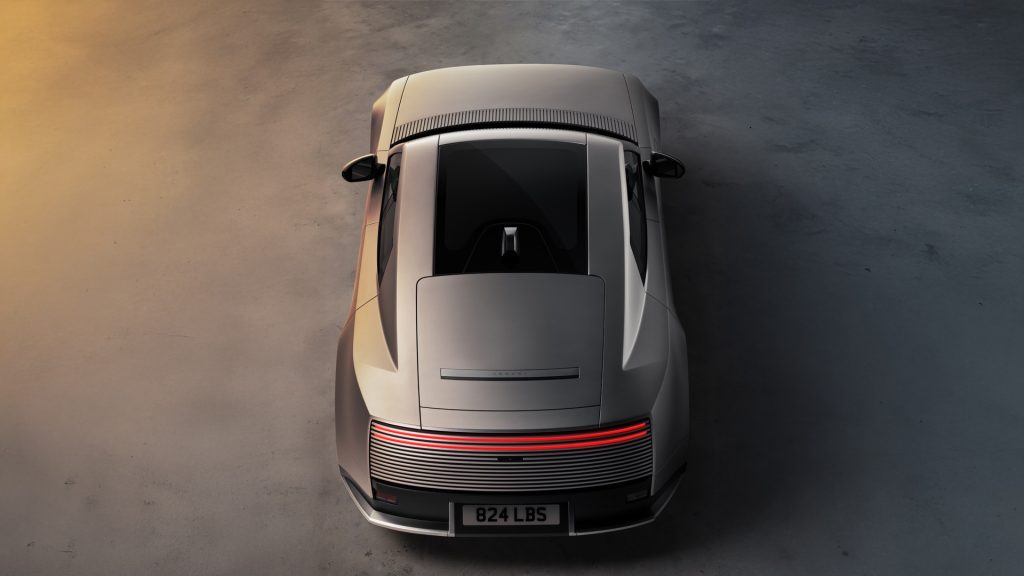
At £130,000, this is emphatically not a volume play. It is enormous, extravagant, technically ambitious, deliberately unconventional and built in Britain. Jaguar has created its own architecture rather than simply adapting something from elsewhere. The proportions are dramatic. The bonnet is almost comically long for an EV. The roof sits low. The wheels are 23 inches. It is a grand tourer rather than yet another luxury electric SUV.
That is exactly the sort of differentiation European luxury manufacturers arguably need.
Jaguar deserves credit for having the courage to do it.
But did Jaguar need to erase Jaguar?
That is my difficulty with the Type 01.
I don’t dislike it because it is electric.
In fact, electric propulsion potentially suits Jaguar remarkably well. Effortless torque, silence, refinement and huge reserves of power are completely compatible with what a great Jaguar GT should be.
Nor do I dislike it simply because it looks different.
Jaguar has produced revolutionary designs before.
My concern is that in its determination to demonstrate that the old Jaguar is dead, the company may have underestimated how valuable some of that old Jaguar actually was.
The best Jaguars had sensuality.
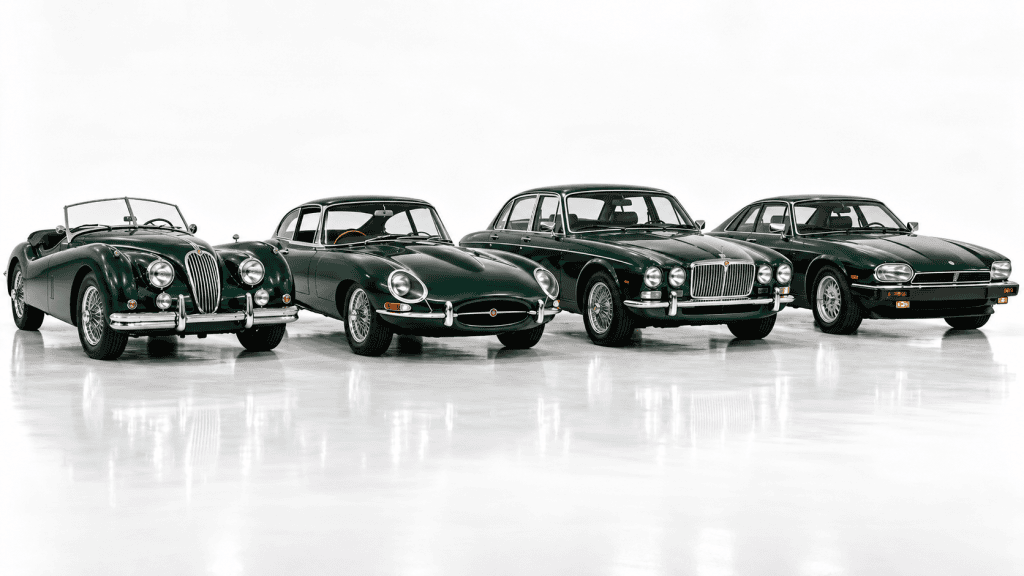
Look at an E-Type, XJ, XK or even an XJ-S. Their individual details differed enormously, but there was usually movement in their surfaces. They looked athletic without looking aggressive. Even standing still, there was something feline about them.
Type 01 is different.
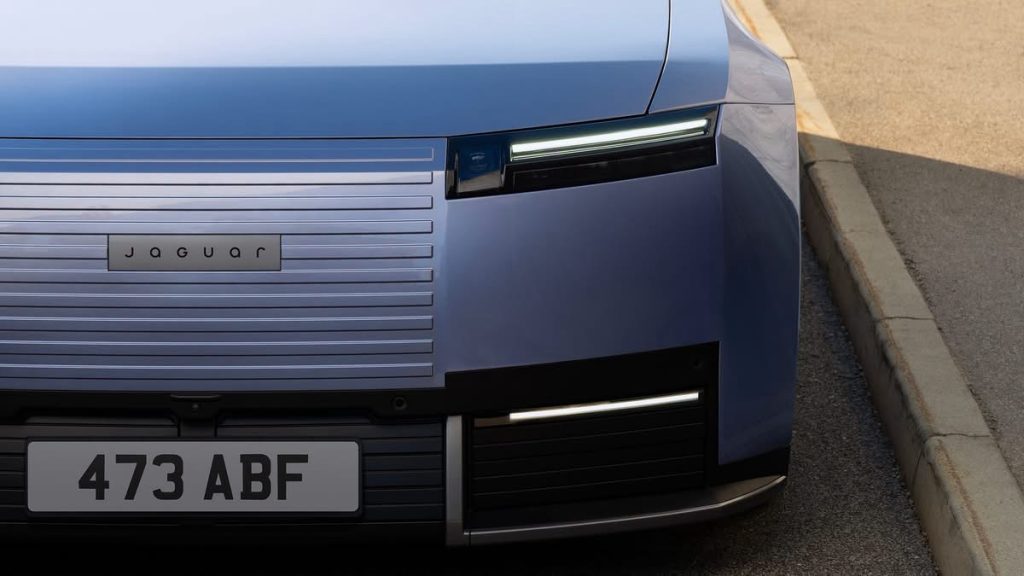
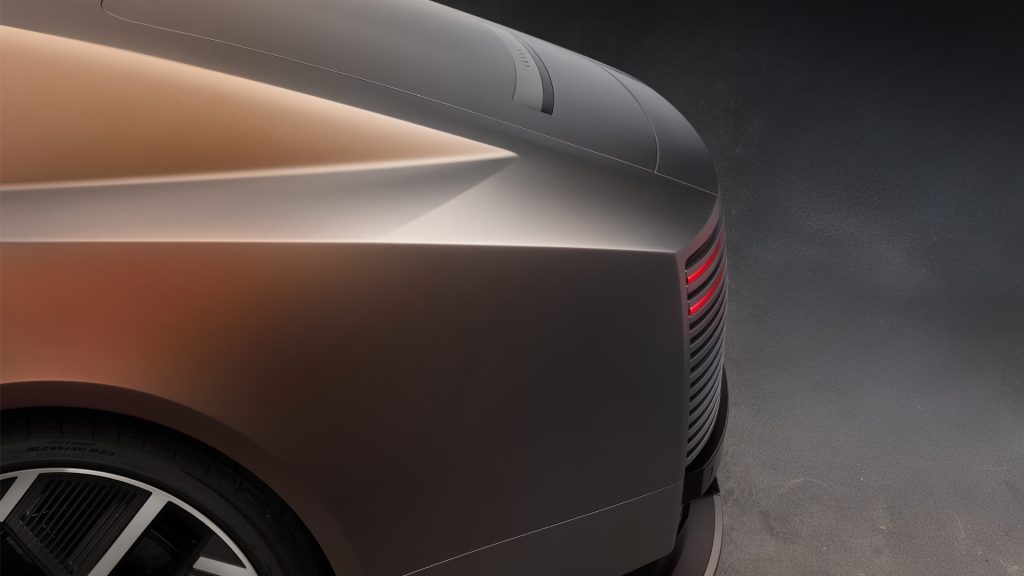
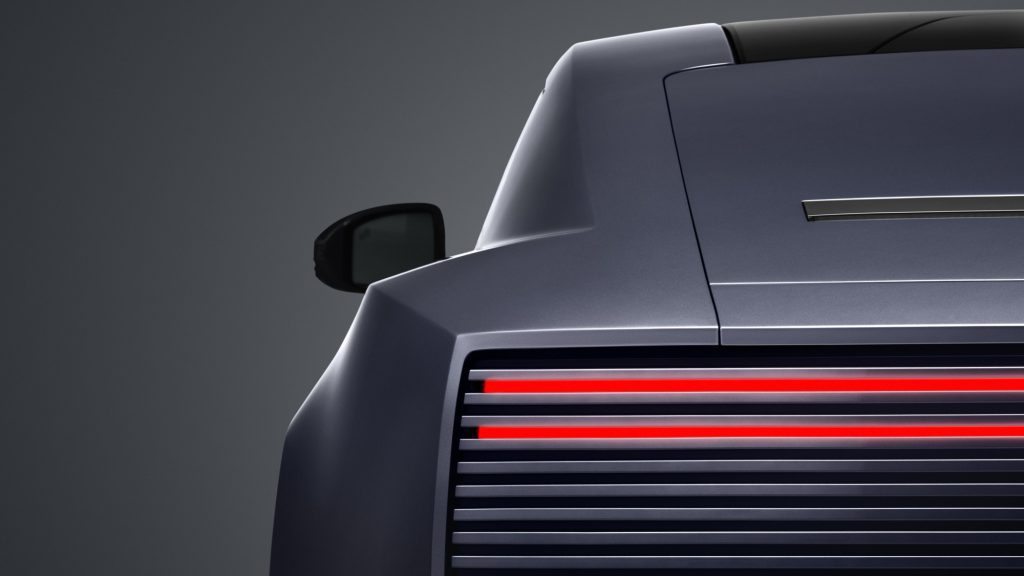
It is architectural. Monolithic. Severe. Sharp curves collide with creases. The nose is upright. The body appears almost hewn from a solid object rather than stretched over mechanical components.
It unquestionably has presence.
I’m just not certain that presence immediately says Jaguar.
Jaguar itself insists there is lineage to the E-Type and XJS through the long bonnet and GT proportions. And perhaps after seeing these cars on the road for several years, our definition of what a Jaguar looks like will change.
But that raises an uncomfortable question.
If you removed the badges, would an enthusiast instinctively recognise this as the latest chapter of the same company that gave us the E-Type and XJ?
I’m not sure.
Yet Jaguar cannot survive purely for enthusiasts
There is another side enthusiasts have to acknowledge.
We are brilliant at mourning cars after manufacturers stop building them.
We celebrate naturally aspirated engines after buying turbocharged SUVs. We demand manuals and then order automatics. We tell manufacturers to preserve lightweight sports cars while the sales charts tell them something completely different.
Jaguar’s problem wasn’t that people hated Jaguar.
It was that not enough people were buying Jaguars.
So simply producing prettier versions of the XE, XF and F-Type was probably not going to save the company.
Something radical had to happen.
Type 01 is certainly radical.
Jaguar managing director Rawdon Glover describes the car as an attempt to create “objects of desire” again, explicitly connecting the new model to the era of the E-Type and XJS.
That is ultimately the correct ambition.
Because Jaguar should not be selling transportation.
Jaguar should be selling desire.
Maybe the real test has nothing to do with electricity
The question therefore isn’t whether Jaguar should have become electric.
It isn’t even whether Jaguar should have changed its logo.
The real test is much simpler:
Will somebody see a Type 01 passing down the road twenty years from now, point at it and immediately know who owns it?
That was the Jaguar I remember.
Rare. Expensive. Distinctive. Slightly mysterious.
The Type 01 unquestionably restores one part of that equation: you will notice it.
Jaguar says it wanted a car that “never arrives unnoticed”, and on that point it has almost certainly succeeded.
What remains unanswered is whether people will merely notice it or genuinely desire it.
There is a difference.
I want Jaguar to succeed. I suspect most genuine enthusiasts do. The automotive world is immeasurably richer with Jaguar in it. We need manufacturers willing to build absurd grand tourers rather than another anonymous crossover. We need British, Italian, German and French manufacturers to remember that heritage is one of the few competitive advantages that cannot simply be reverse-engineered.
Mate Rimac is right about that.
But heritage must be used as a foundation, not treated as baggage.
Perhaps Type 01 is exactly the shock Jaguar needed. Perhaps, after years of trying to compete conventionally, the only possible way to save Jaguar was to make something that initially didn’t look like a Jaguar at all.
Or perhaps Jaguar has rediscovered exclusivity while losing some of its soul.
We won’t know from the advertising campaign.
We won’t know from social-media comments.
And we certainly won’t know from a 757kW specification sheet.
We’ll know when Type 01 finally appears in traffic, glides silently past and makes people stop what they’re doing to look.




Leave a Reply