
China’s automotive expansion into Europe is no longer just about undercutting legacy brands on price. It is becoming something far more strategic and, frankly, more interesting.
For years, every conversation about the rise of Chinese automakers has been wrapped in panic. “The Chinese are coming” became the automotive industry’s version of a doomsday prophecy. The assumption was simple: Chinese brands would flood global markets, wipe out traditional automakers, and leave the rest gasping for air.
But what if the future doesn’t look like conquest at all?
What if the future looks more like collaboration?
That’s exactly what this latest Stellantis and Dongfeng announcement suggests.
After more than three decades of partnership, the two companies are now preparing to deepen their relationship through a new Europe-based joint venture focused on electric vehicles, manufacturing, engineering, purchasing, and distribution. And buried inside the corporate language is something far bigger than another automotive agreement.
This could become one of the clearest signs yet that the future automotive industry may not be “China versus the West” but rather a highly interconnected ecosystem where survival depends on partnerships, shared technology, manufacturing alliances, and regional adaptation.
And honestly? This makes far more sense than the doom-and-gloom narrative many people have been pushing.
Stellantis Is Not Fighting China. It Is Learning From It
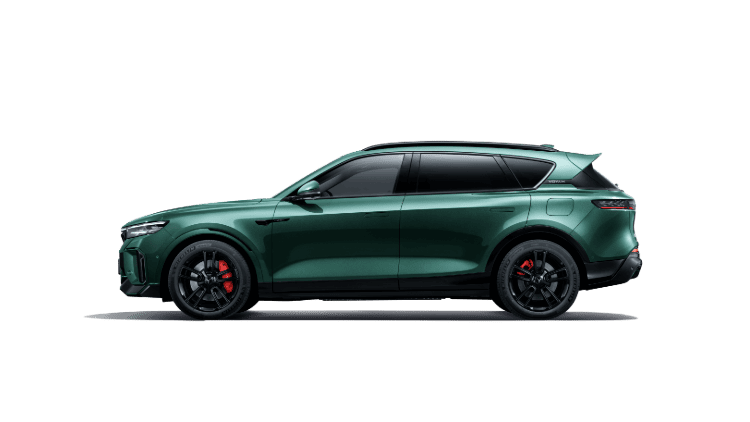
The proposed 51/49 Stellantis-led joint venture will oversee the distribution of Dongfeng’s premium EV brand, Voyah, in selected European markets. Stellantis will contribute its dealer networks, aftersales support, and global manufacturing footprint, while Dongfeng brings access to China’s hyper-competitive EV ecosystem.
That last part matters.
China is currently the world’s most advanced EV battleground. Brands there are innovating at frightening speed. Battery technology, software integration, production efficiency, charging ecosystems, pricing strategy… Chinese automakers are forcing the entire industry to evolve faster.
Instead of pretending this shift is not happening, Stellantis appears to be embracing it.
“The plans we are announcing today take our recently strengthened cooperation with Dongfeng to an all-new dimension of an international partnership,” said Stellantis CEO Antonio Filosa.
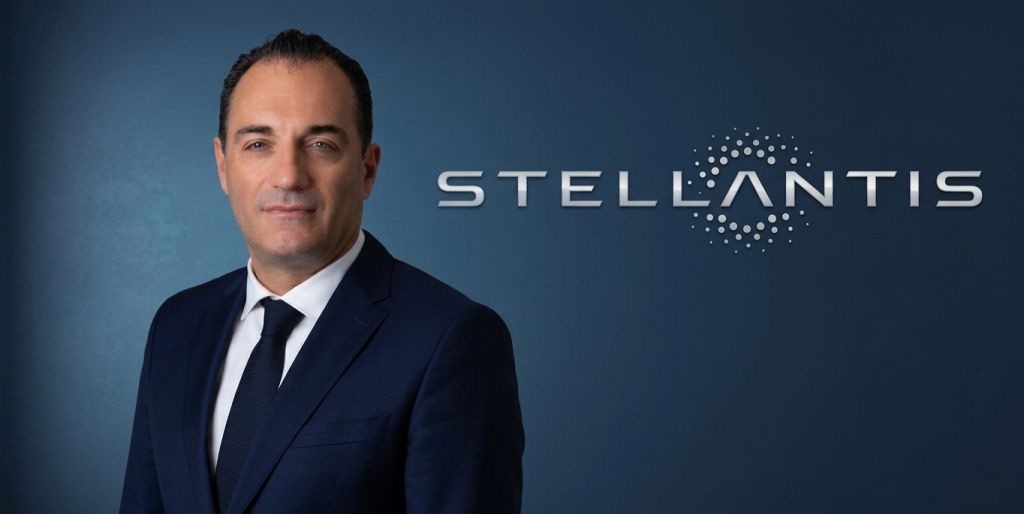
“We will give our customers an even greater choice of competitive products and pricing, leveraging the best of Stellantis’ global footprint alongside Dongfeng’s access to China’s advanced new energy vehicles ecosystem.”
That statement alone tells you everything. Stellantis is adapting.
And perhaps more importantly, it is an admission that nobody can afford to build walls anymore in the modern automotive industry.
Europe Wants Chinese EVs. Just Not Entirely Made In China
The most fascinating part of this deal may not even be the distribution arrangement. It is the manufacturing angle.
The two companies are considering producing Dongfeng new energy vehicles at Stellantis’ Rennes plant in France. In other words, Chinese-developed EVs potentially built in Europe by a Western automotive giant.
This might be because Europe’s challenge with Chinese EVs has never only been about the cars themselves. It has also been about economics, industrial policy, tariffs, jobs, and political optics.
“Made in Europe” suddenly becomes a bridge between both worlds.
European consumers get competitively priced EVs with advanced Chinese tech.
European governments retain jobs and manufacturing activity.
Stellantis stays relevant in the EV race.
Dongfeng gains legitimacy and market access.
Everybody wins.
Or at least that is the theory.
This Is Bigger Than Voyah
Many people in Africa may not even know the Voyah brand yet. But that almost misses the point.
The bigger story here is how legacy automakers are reshaping themselves for survival in the EV era.
Stellantis already has arrangements with Leapmotor, another Chinese EV player, allowing the automotive giant to leverage Chinese EV development while expanding global reach. That partnership raised eyebrows when it was announced. This new Dongfeng move confirms it was not a one-off experiment.
And we are likely going to see more of it.
The automotive industry is becoming less ideological and more practical. Companies are beginning to realize that scale, supply chains, software expertise, battery sourcing, and manufacturing efficiency matter more than national pride.
The days when automakers could dominate purely through heritage and brand loyalty are fading quickly.
The “Chinese Are Coming” Narrative Was Always Too Simplistic
One thing many people forget is that the global automotive industry has always evolved through partnerships.
Japanese brands once terrified American automakers.
Korean brands were mocked before becoming global leaders.
European luxury brands share platforms, engines, and suppliers all the time.
Even today, many “German” cars are built outside Germany, while American brands source components globally.
So why should China be treated differently?
The reality is that the market is big enough for multiple winners.
Different customers want different things.
Some buyers want affordable EVs.
Some want luxury.
Some want rugged reliability.
Some care about software.
Others care about heritage.
The automotive industry is not a single-lane highway where only one region survives.
If anything, the rise of Chinese automakers may force legacy brands to become more efficient, more innovative, and more consumer-focused. That competition could ultimately benefit buyers everywhere, including emerging markets like Ghana.
Africa Should Pay Attention
This matters for Africa too.
Because these global alliances will eventually shape what lands in our markets.
Pricing.
Parts supply.
Assembly opportunities.
EV accessibility.
Technology transfer.
Dealer networks.
Everything.
And perhaps the most important lesson here is that the future automotive industry may not belong exclusively to the companies building the best cars. It may belong to the companies best at building partnerships.
Stellantis clearly understands that.
Rather than standing at the shoreline shouting that “the Chinese are coming,” they seem to be opening the gates and saying:
“Let’s build together.”

Leave a Reply