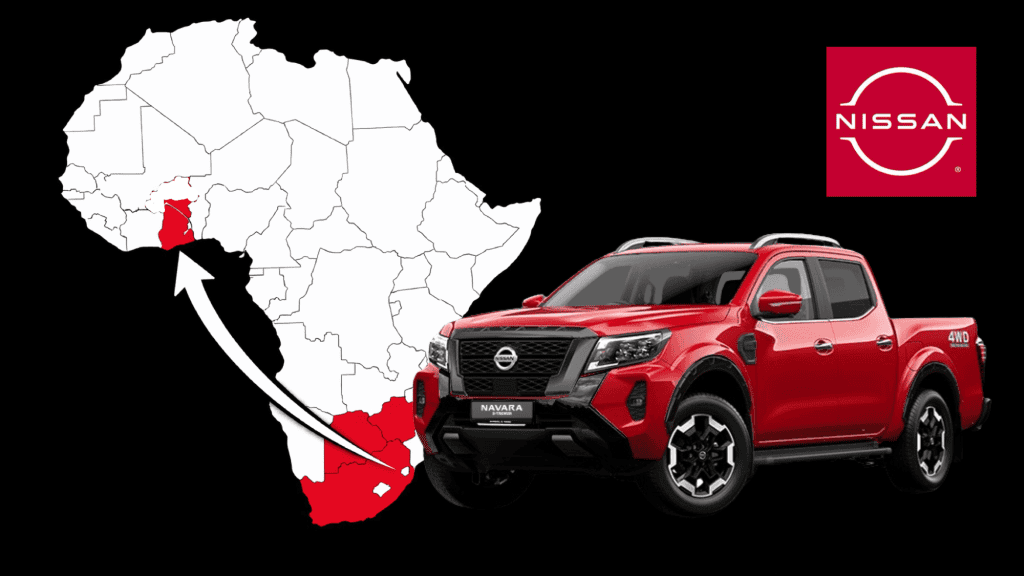
For decades, Nissan has been one of the most dominant automotive names in Ghana and across Africa. Most Ghanaians have a Nissan story. The brand has built a reputation for durability, value, and relevance to African driving conditions. In Ghana particularly, Nissan’s recent resurgence has been closely tied to the local assembly of the Nissan Navara, which has gone on to become the best-selling pickup truck in the country, overtaking the long-dominant Toyota Hilux.
Against this backdrop, news that Nissan is selling its Rosslyn manufacturing plant in South Africa has come as a surprise to many, though, on closer inspection, it is not entirely unexpected.
The Rosslyn Deal: What Has Been Announced
Nissan Africa confirmed that it had reached an agreement with Chery South Africa for the acquisition of Nissan’s manufacturing assets in Rosslyn, subject to regulatory approvals.
Under the agreement:
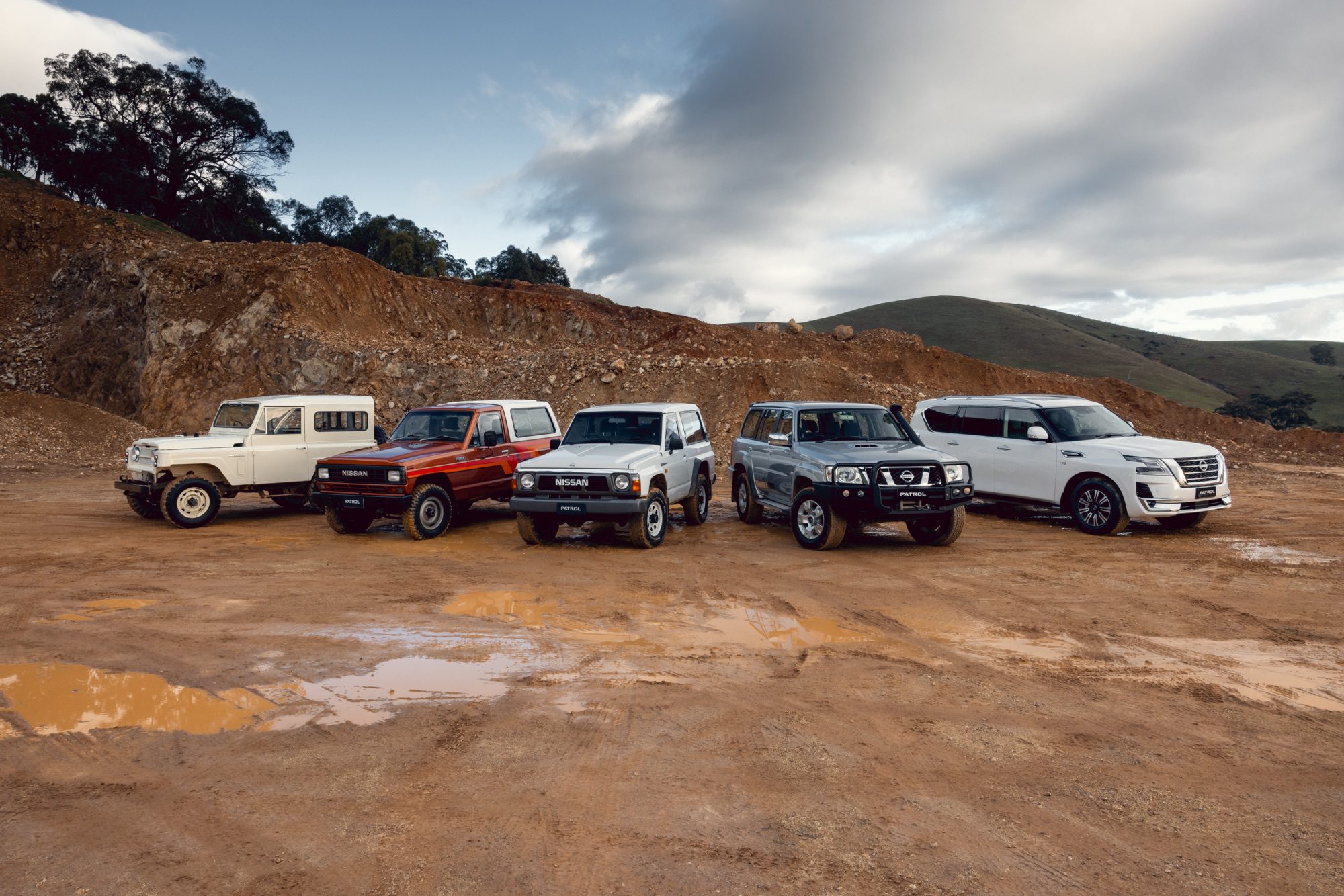
Chery SA will acquire Nissan’s Rosslyn vehicle manufacturing plant and the nearby stamping facility by mid-2026. The majority of Nissan employees linked to the plant will be offered employment by Chery SA on substantially similar terms. Nissan will continue operating its sales, distribution, and aftersales business in South Africa. Several new Nissan models, including the Nissan Patrol and Nissan Tekton, are planned for launch in South Africa during fiscal year 2026.
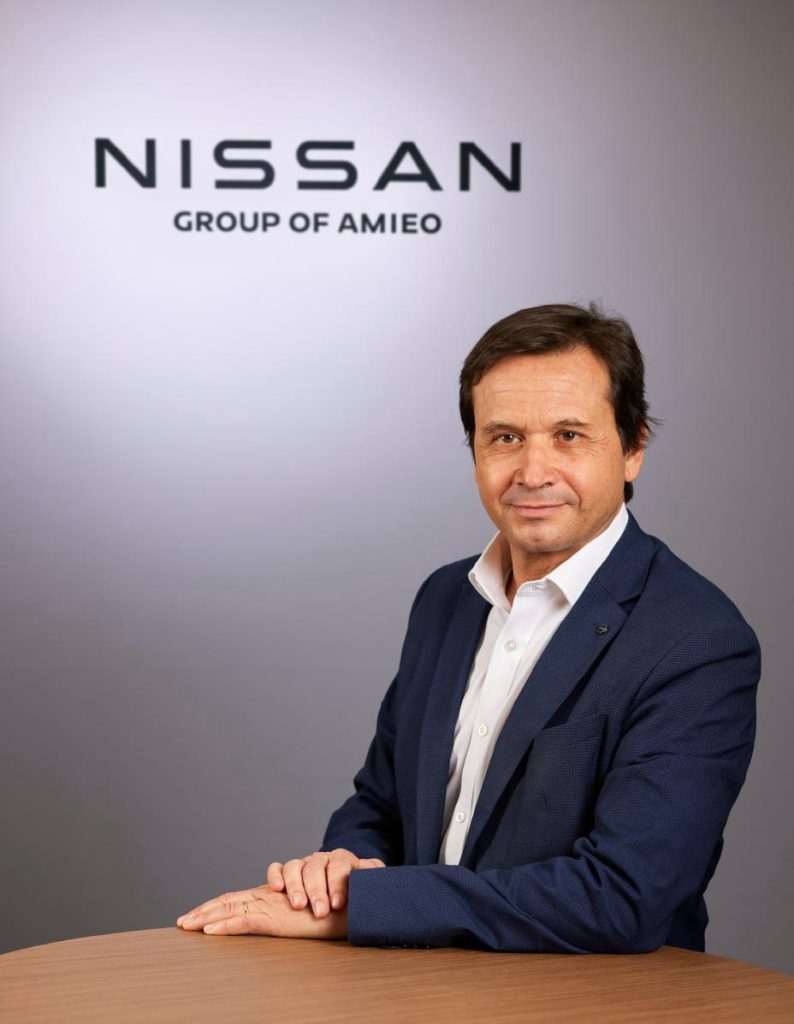
According to Jordi Vila, President of Nissan Africa, the decision follows prolonged challenges affecting the utilisation and long-term viability of the Rosslyn plant within Nissan’s global manufacturing footprint. Importantly, the deal ensures continued industrial use of the facility and preserves jobs within South Africa’s automotive ecosystem.
Why Rosslyn Matters to Ghana
The Rosslyn plant has long played a strategic role beyond South Africa’s borders. For Ghana, it has been particularly significant.
The Nissan Navara assembled in Ghana is supplied as semi-knocked down (SKD) kits sourced from Rosslyn, making South Africa a critical upstream partner in Ghana’s local automotive assembly ambitions. The arrangement aligned well with Nissan’s long-standing positioning of building vehicles “in Africa, for Africans.”
With Rosslyn exiting Nissan’s manufacturing portfolio, that equation inevitably changes.
Once the transaction is completed, Egypt will remain Nissan’s only manufacturing facility on the African continent. This marks a notable shift in Nissan’s regional production strategy and raises important questions for markets like Ghana that depend on African-sourced kits for local assembly.
What Happens to the Navara in Ghana?
From checks within the industry, Ghana remains a key market for Nissan, and the Navara remains central to the brand’s local success. Demand for the pickup is strong, driven by its use in construction, mining, agriculture, fleet operations, and private ownership.
However, with Rosslyn no longer producing Nissan vehicles, the most likely future source for the Navara destined for Ghana is Thailand, one of Nissan’s global pickup manufacturing hubs.
While this ensures continuity of supply, it also means:
The “African-built” narrative around the Navara will likely come to an end, at least in the near term. Logistics costs, lead times, and exposure to global supply chain disruptions may increase. Local assemblers may need to adapt processes to accommodate kits sourced from outside the continent.
That said, the shift does not signal an exit from Ghana. Rather, it reflects Nissan’s broader effort to streamline operations globally, reduce overheads, and focus manufacturing in fewer, higher-utilisation plants, an approach many legacy automakers are adopting amid intensifying competition.
The Bigger Picture: Africa’s Automotive Battleground
The Rosslyn sale also highlights a changing competitive landscape. Chinese manufacturers, including Chery, are rapidly expanding their footprint across Africa, with South Africa increasingly seen as the gateway to continental automotive dominance. Their aggressive localisation strategies, cost advantages, and growing model line-ups are reshaping the market.
For Nissan, the challenge is balancing its historic strength in Africa with the realities of a fiercely competitive, cost-sensitive environment.
What This Means Going Forward
For Ghanaian consumers and fleet buyers, the immediate outlook remains stable:
The Nissan Navara will continue to be available. Nissan’s sales, service, and support operations remain intact. The brand’s commitment to Ghana as a market appears unchanged.
In the medium term, however, this development underscores the importance of diversifying supply chains, strengthening local assembly ecosystems, and ensuring that Ghana’s automotive ambitions remain resilient even as global manufacturers recalibrate their African strategies.
Nissan may be tightening its global operations, but its story in Ghana, powered by the Navara’s dominance, seems far from over. The next chapter, however, will likely be written with a different supply map and a changing African automotive landscape.

Leave a Reply