
Chinese automakers have changed the rules of the game. But two familiar Japanese names returning in very different ways suggest the old guard has not forgotten how to build cars people actually want.
For the past few years, much of the automotive conversation has been about China. Faster development cycles, aggressive pricing, huge levels of standard equipment and increasingly desirable designs have put enormous pressure on established manufacturers. Chinese vehicle exports have surged, while companies including BYD, Geely and Chery continue to expand into markets traditionally dominated by Japanese, European and American brands.
So here is an interesting question: Is legacy auto finally properly taking up the challenge?
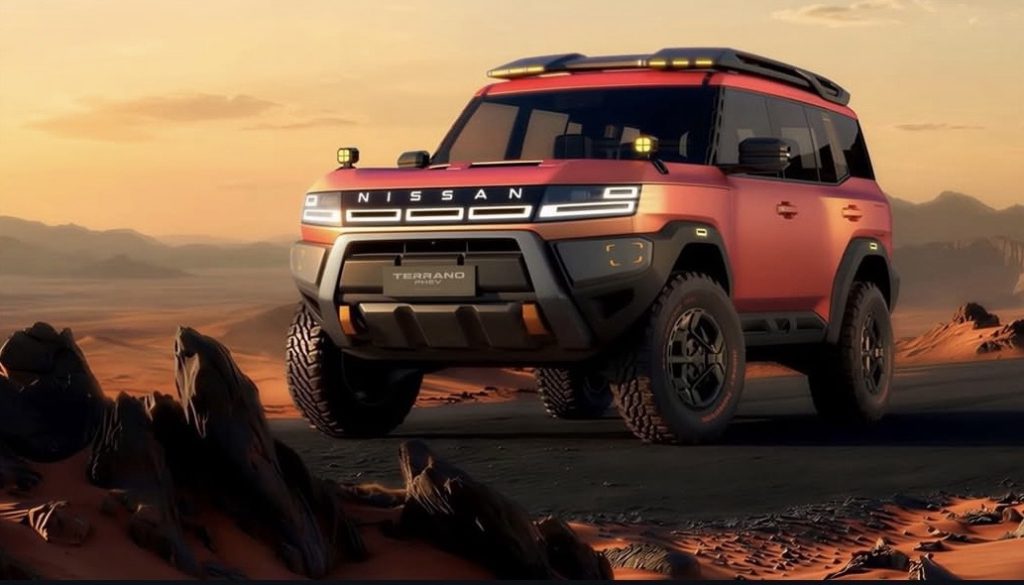
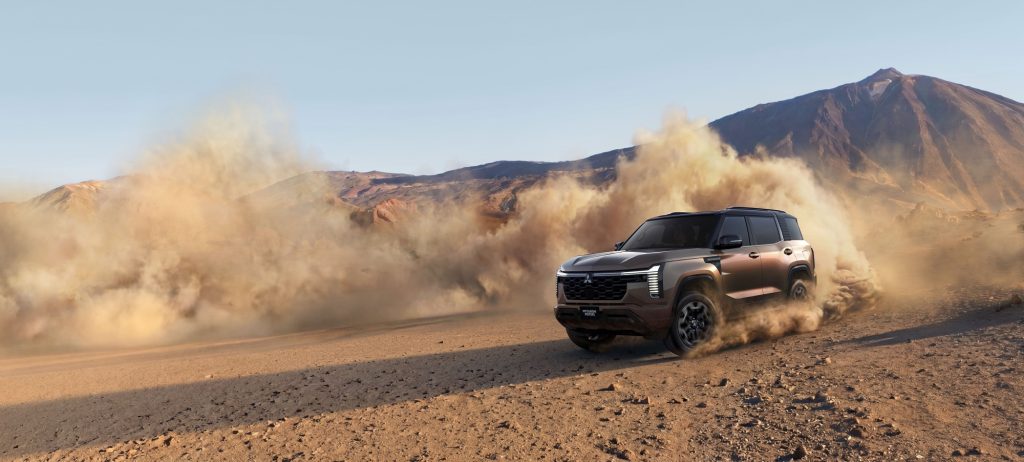
Because this week has given enthusiasts two very good reasons to pay attention. Mitsubishi has officially unveiled an all-new Pajero, while fresh photographs from China appear to show what is likely a near-production version of Nissan’s new Terrano.
Neither vehicle has even had the opportunity to prove itself in the marketplace yet. But people are already talking about them. And that matters.
The Pajero Is More Than A Famous Name
The Pajero story began in 1982, when Mitsubishi attempted to combine the capability of a serious four-wheel-drive with the comfort of a passenger vehicle. That sounds completely normal today, but it was considerably more unusual four decades ago. Four generations followed, with more than 3.29 million Pajeros produced and the model finding customers in more than 170 countries and regions. Motorsport then added an enormous amount to the legend: the Pajero accumulated 12 Dakar Rally victories, including seven consecutive wins.
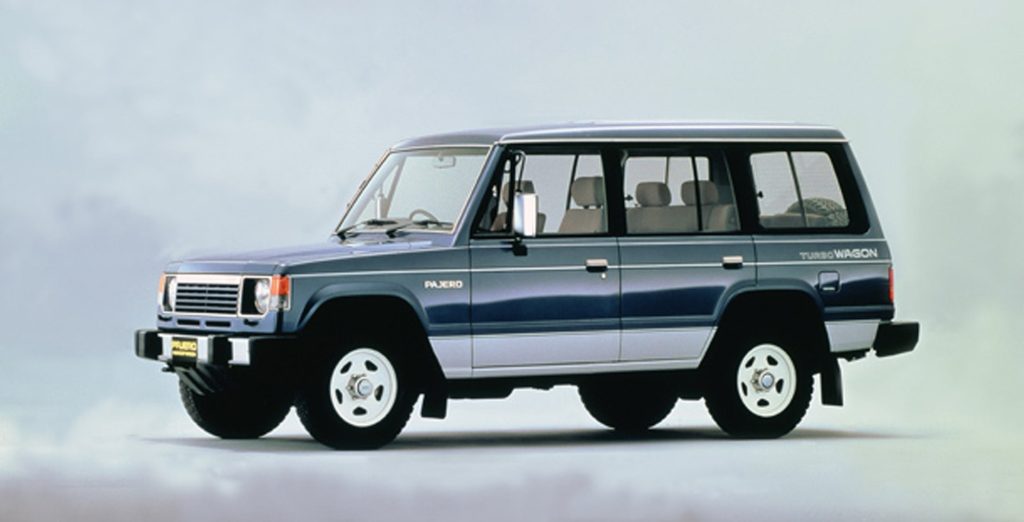
Its importance went well beyond motorsport. The Pajero became one of the defining Japanese SUVs of its era and, in markets such as ours in Ghana, one of the vehicles that helped establish Mitsubishi’s reputation for durable four-wheel-drives. But eventually age caught up with it. Japanese production ended in 2019 and production for overseas markets ended in 2021. Mitsubishi was left without the vehicle that arguably represented its brand better than anything else.
Now the Pajero is properly back.
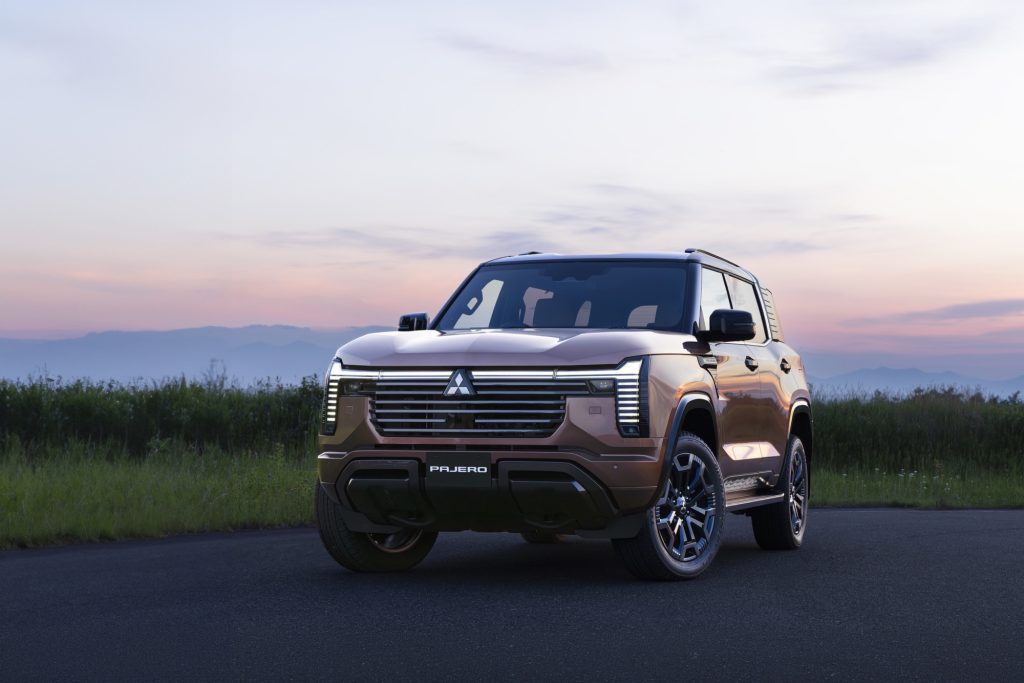
Unveiled on September 2, the new model isn’t simply an old badge applied to a soft crossover. Mitsubishi has given it a ladder-frame chassis, Super Select 4WD-II and S-AWC vehicle-dynamics control. Up front is an independent double-wishbone suspension, while the rear uses a newly developed five-link rigid axle. Seven drive modes include Gravel, Mud, Sand and Rock. Ground clearance is quoted at 230 mm on 20-inch-equipped versions.
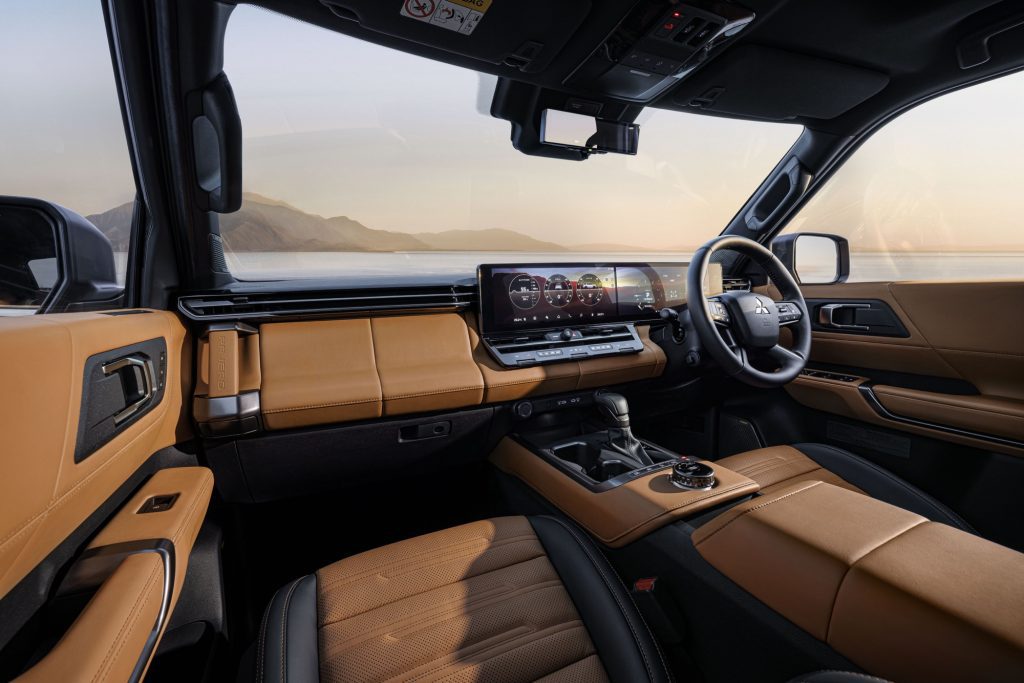
Power comes from a specially developed 2.4-litre clean diesel producing up to 480 Nm, connected to a new eight-speed automatic transmission. There are three rows and seven seats, while the dashboard uses two large 14.3-inch displays and even resurrects the Pajero’s old triple-meter idea digitally, showing information including altitude, compass direction and vehicle pitch and roll.
Most importantly, Mitsubishi is treating the Pajero as its flagship again. Production is in Thailand, with Thailand, Japan and Australia receiving it first before a planned rollout to roughly 100 countries from fiscal 2027.
That feels less like nostalgia and more like Mitsubishi remembering what Mitsubishi is supposed to be.
Then There’s The Terrano, And This One Is Particularly Interesting
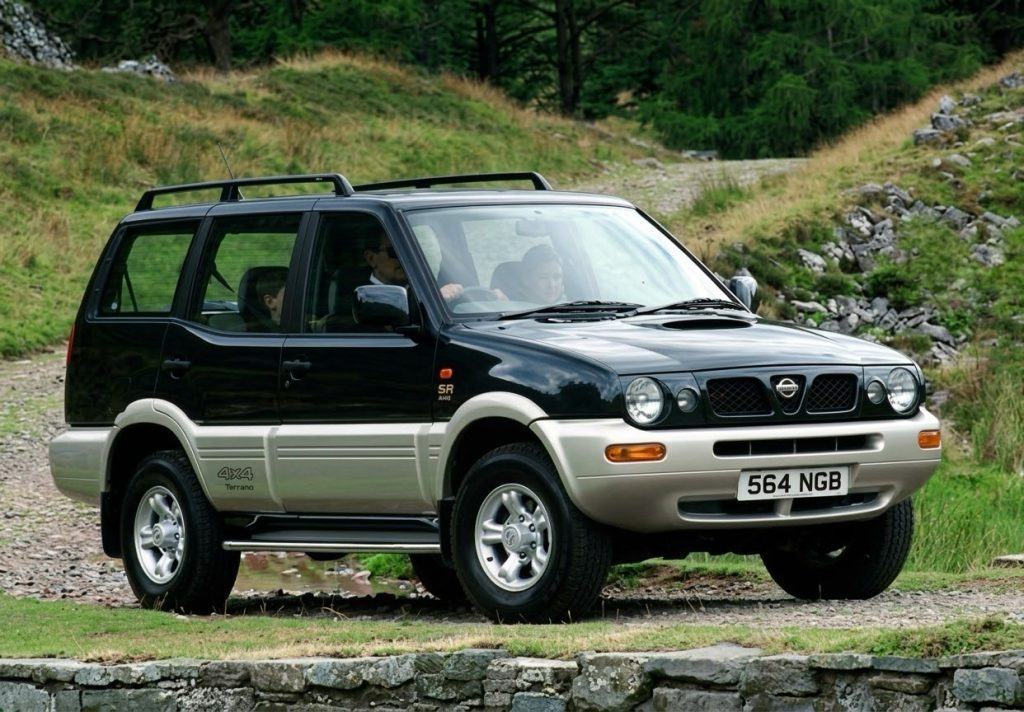
Nissan’s Terrano story stretches back to 1986. The original WD21 Terrano used the D21 pickup as its foundation but combined genuine off-road ability with more road-friendly suspension and styling. North Americans will recognise much of that story under another famous name: Pathfinder. Nissan followed it with subsequent Terrano generations and the European Terrano II, while the Terrano name was later resurrected in India between 2013 and 2020 on a Nissan version of the Renault Duster. In other words, Terrano hasn’t always described the same kind of vehicle.
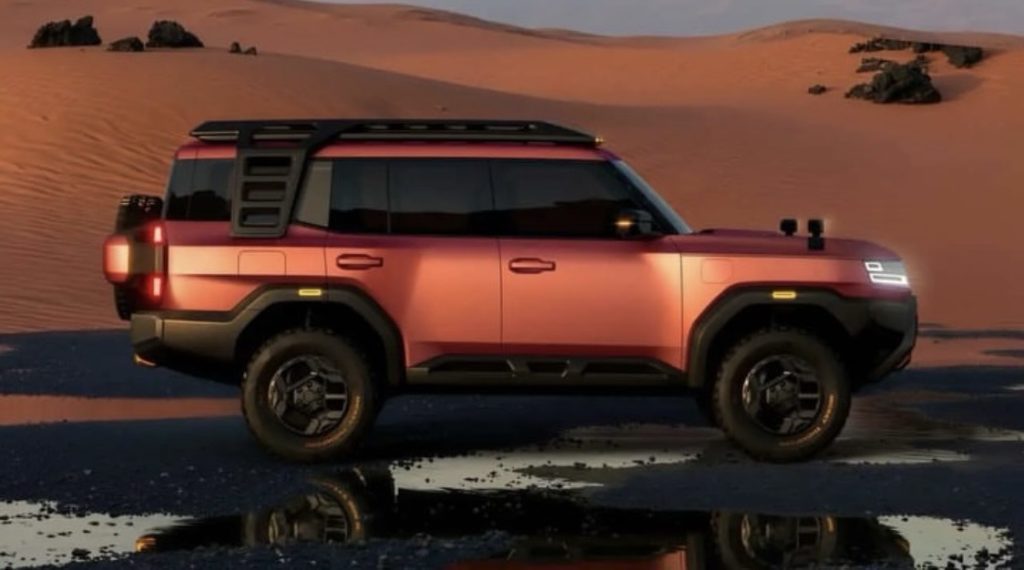
The newest interpretation takes the badge back towards its rugged roots. Nissan unveiled the Terrano PHEV Concept at Auto China in April 2026: a big, upright, deliberately boxy off-roader with a plug-in-hybrid powertrain. Nissan confirmed at the time that a production model would be revealed within one year and that China would act not only as a domestic market but as an innovation and export hub.
Now things are getting serious.
Fresh photographs published on September 4 show a Terrano undergoing road testing in China with much of the concept’s basic shape intact. The wild roof equipment, auxiliary lights and hardcore tyres have disappeared, as you’d expect on a road-going vehicle, but the upright body, squared wheel arches, prominent underbody protection and rear-mounted spare remain. The cabin photographed in the prototype also appears substantially finished, with a digital instrument display, large central touchscreen and terrain-control hardware.
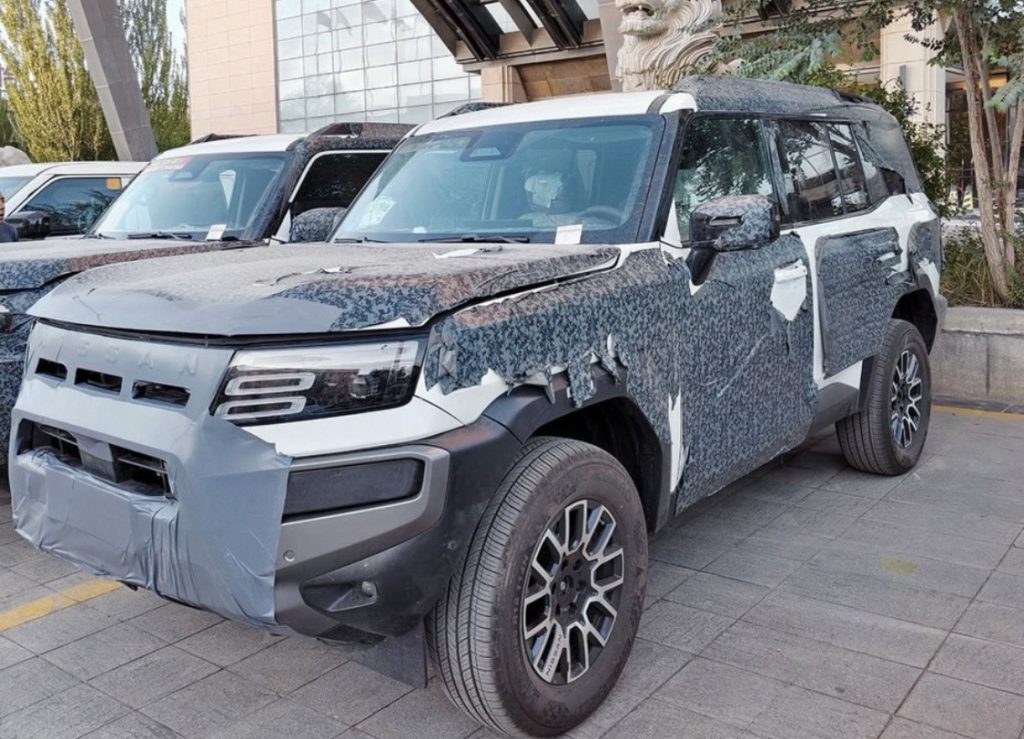
There is one important distinction: Nissan has not yet officially declared this particular prototype to be the final production Terrano. Nissan has, however, confirmed that a production model based on the concept is coming within a year. So calling the photographed vehicle near-production is reasonable; calling its specifications final would be premature.
And here is where the whole “legacy versus China” conversation becomes more interesting.
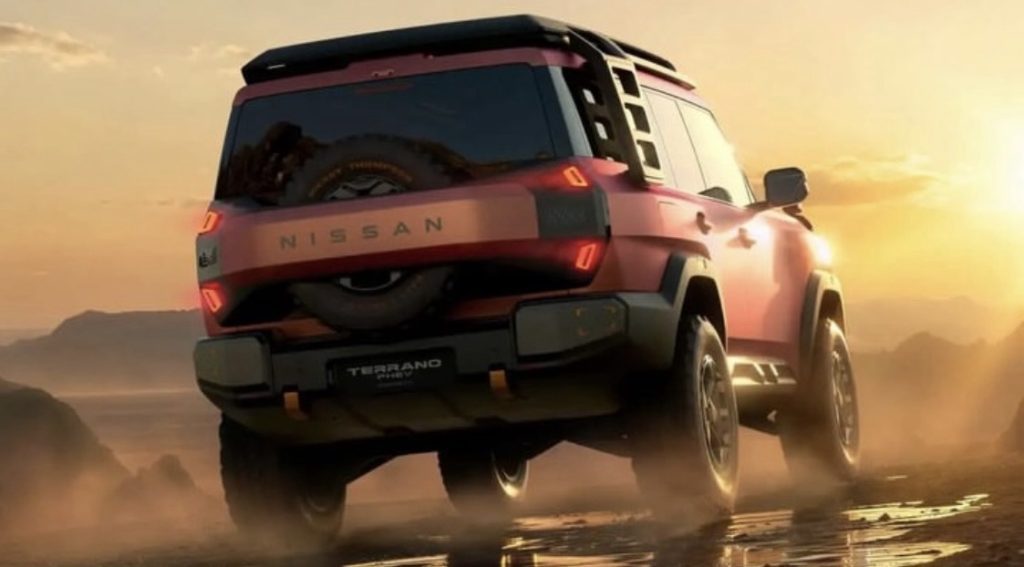
The Terrano isn’t Nissan fighting China entirely from the outside. It is part of Nissan’s strategy of using its Chinese joint venture, local development speed and technology ecosystem to create globally competitive products. Nissan has specifically identified China as an innovation and export hub, and the eventual Terrano is intended for selected international markets.
Perhaps competing with China increasingly means learning from China too.
Good. Competition Is Exactly What We Need
The Pajero and Terrano aren’t proof that traditional manufacturers have suddenly solved every problem confronting them. Prices haven’t been established for many markets. The Terrano’s final mechanical specification is still not public. Neither vehicle has been confirmed for Ghana at this point.
But that almost misses what makes these two vehicles exciting.
Before customers have driven them, they have already generated interest because they look like products created with a clear purpose. They have recognisable identities. They respect their heritage without appearing trapped by it. And importantly, they look like vehicles people might actually aspire to own.
For too long, some established manufacturers appeared to have forgotten that desirability itself is part of competitiveness. Chinese manufacturers haven’t merely attacked with electric motors and batteries; they have attacked with features, design, speed and value.
The appropriate response isn’t complaining that the market has changed.
It is building better cars.
If the new Pajero and what we’re seeing of the Terrano are indicators of what comes next, then good.
The desire to compete clearly isn’t dead.
And with Chinese manufacturers pushing harder into global markets, every established manufacturer needs that desire now more than ever.
For those of us who simply love interesting cars, that competition can only make the next few years much more exciting.

Leave a Reply