
When American internet streamer iShowSpeed touched down in Africa as part of his much-publicised continental tour, the internet did what it does best: talk. Loudly.
His visit sparked renewed global attention on Africa’s identity, culture, and the individual countries that make up the continent. From the people he met to the places he visited, Africa once again became the centre of a global cultural conversation. In the lead-up to his stop in Ghana, flyers circulated online highlighting activities planned for his visit. One of them stood out: a car meet hosted by Supercars Spectacle, a group of young enthusiasts who have made it their mission to promote Ghana’s car culture.
Predictably, debate followed.
Some voices on social media questioned whether “car culture” was even Ghanaian or African. Others argued that someone coming from the United States would have seen “better” car culture elsewhere. That view misses the point entirely and, frankly, ignores history.
At Ryde Channel, we dispute that notion wholeheartedly.
Ghana’s Automotive Story Did Not Start on Instagram
Ghana’s relationship with cars and motorcycles is not a recent import driven by social media trends. It dates back to the very foundations of the nation.
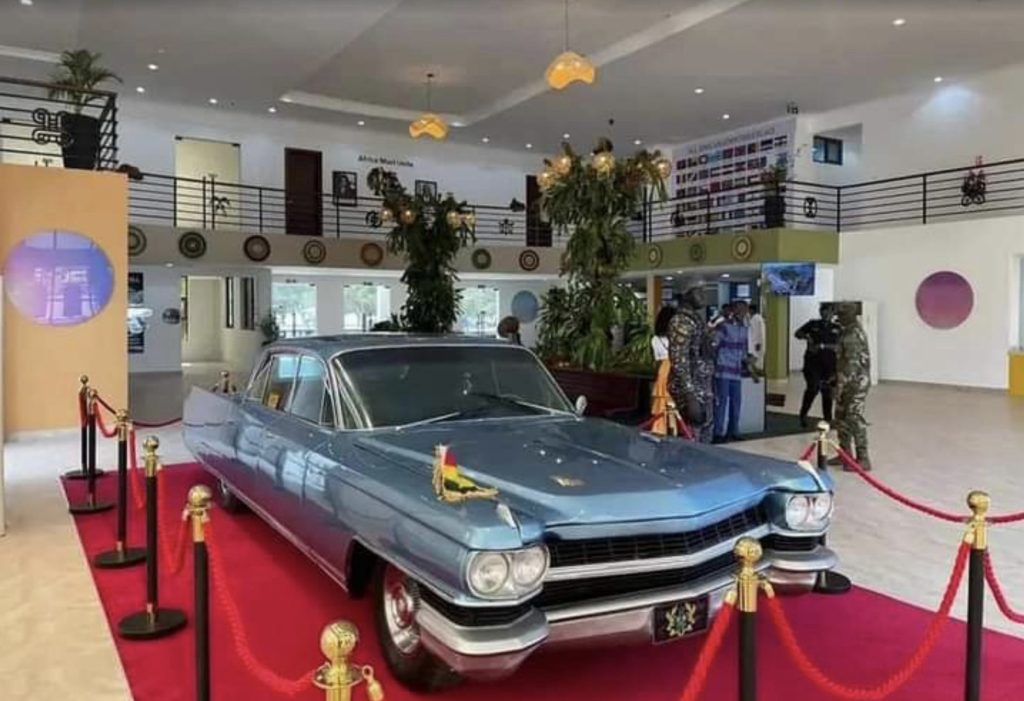
Visit the Kwame Nkrumah Memorial Museum and you will find Ghana’s first President’s official car proudly preserved, a 1961 Cadillac. Walk through the Prempeh II Jubilee Museum in Kumasi and you will encounter the Asantehene’s historic vehicle (a vintage Rolls Royce) on display. These are not props. They are cultural artefacts. They tell a story of leadership, mobility, status, and technological progress in post-independence Ghana.
Automobiles have long been woven into our national narrative.
A Living, Moving Culture
Today, that legacy is very much alive.
Across the country, car clubs and motorcycle clubs meet regularly. They ride out on weekends, organise shows, host meets, and often extend their passion into community outreach and CSR activities. This is not a passive culture. It is participatory, social, and inclusive.
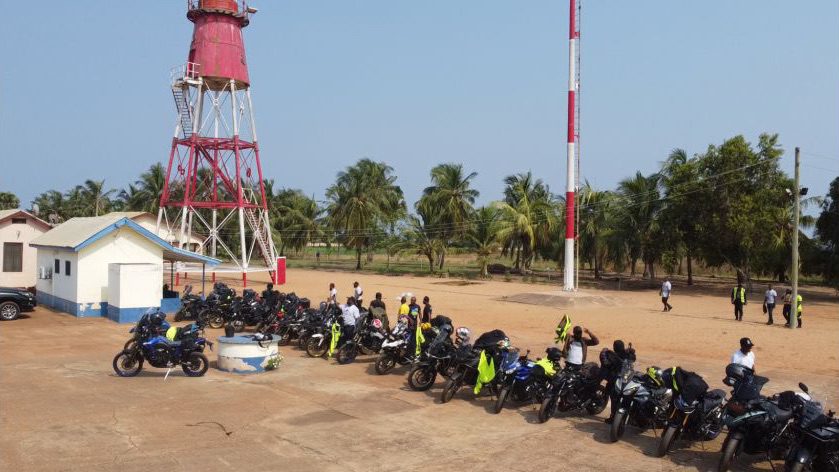
One of the most visible examples is the AIS motorcycle tour group, which recently undertook the “Coastal Cruise”, riding the length and breadth of the West African coastline. This was not just a road trip. It was a statement about freedom, adventure, African roads, and African stories told from the saddle of a motorcycle.
Ghana’s auto community also has a unique tradition of hospitality. Touring riders and drivers passing through the country are often identified on social media, contacted, and welcomed. Local clubs routinely link up with them, escort them into the country, and offer support, guidance, and unforgettable experiences. Ryde Channel has been privileged to be part of several such encounters, including escorting the Coastal Cruise team to the Aflao border a few weeks ago. Experiences like these do not happen in a vacuum. They happen because a culture exists.
It’s Not Just About Supercars
One of the most common misconceptions about car culture is that it must revolve around expensive, exotic machinery. Ghana’s car scene proves otherwise.
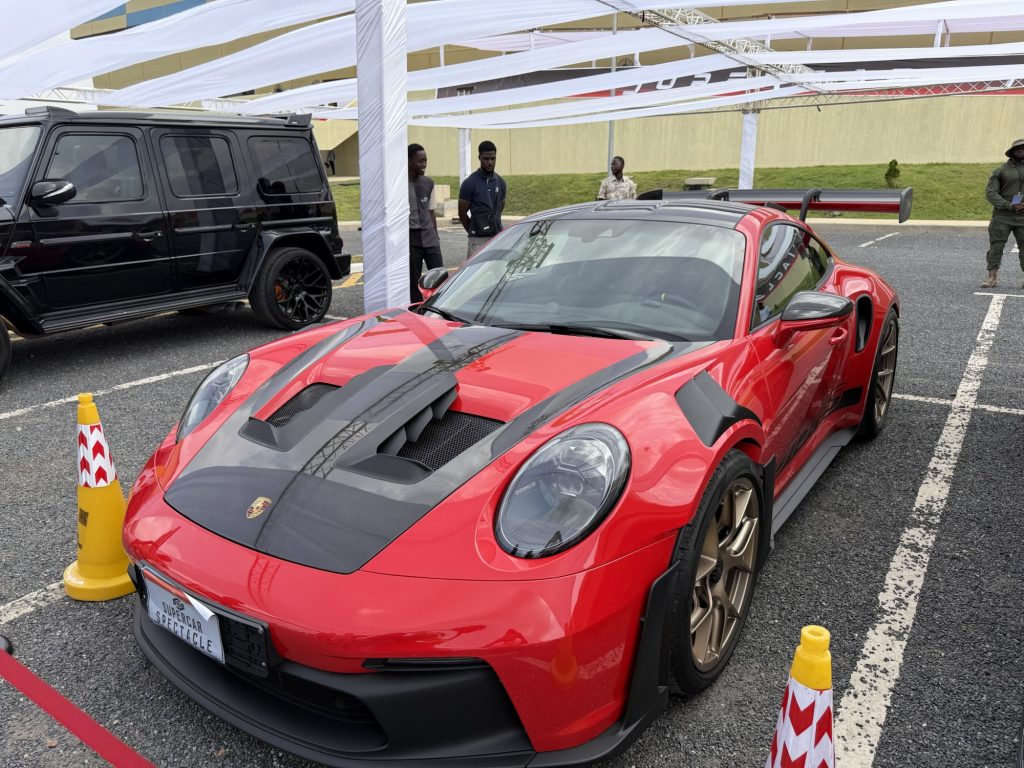
Here, you will find self-built projects, classics, vintage vehicles, modern classics, contemporary performance cars, and yes, some very rare and high-value automobiles. The diversity is the point. The passion cuts across price points and backgrounds.
And perhaps most importantly, these cars are driven.
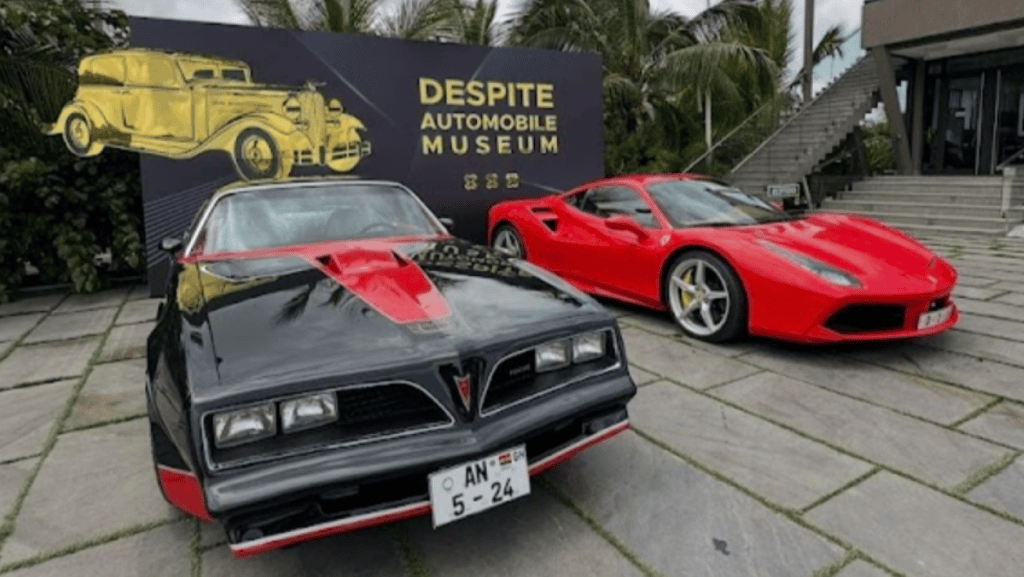
They are not hidden away as garage queens. Despite imperfect road infrastructure, owners enjoy their vehicles, share them with the public, and create moments around them. A visit to the Despite Auto Museum, which has quickly become a “Detty December” attraction, offers visitors something rare even in global car capitals: the opportunity to experience a supercar up close, and in some cases, on the move.
Car Culture Is Ghana Culture
The idea that car culture is somehow “un-Ghanaian” ignores both history and reality. From presidential vehicles, roadside mechanics, vintage restorations and cross-border motorcycle tours, mobility has always been part of how Ghanaians express identity, ambition, creativity and yes success.
iShowSpeed’s visit and the car meet organised in his honour did not manufacture a culture. They exposed one.
What remains is a responsibility. Instead of playing down Ghana’s automotive and motorcycle culture, we should be documenting it, supporting it, and promoting it. Platforms matter. Stories matter. Representation matters.
At Ryde Channel, we are doing our part.
If you are touching the continent “link up”, let’s talk cars and motorcycles.
Ghana loves cars. Ghana loves motorcycles.
And the world is finally starting to notice.
Happy Motoring…


Leave a Reply