
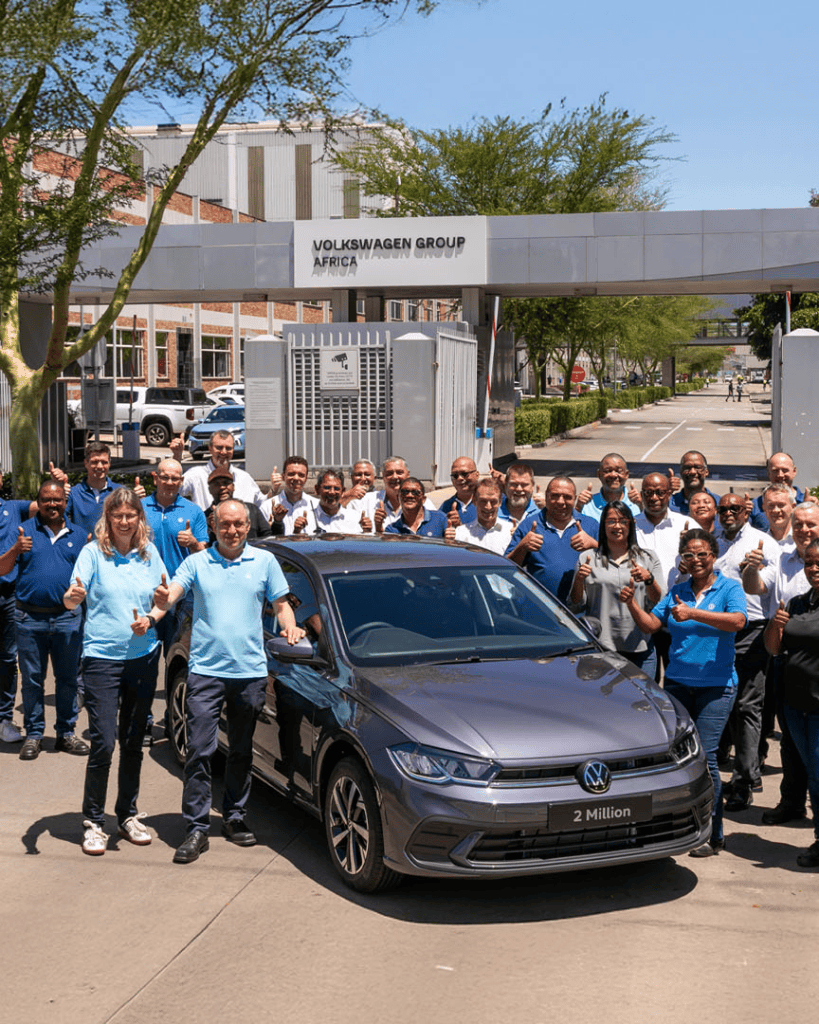
Thirty years is a long time in the automotive world, long enough to build legends, refine processes, and quietly shape markets far beyond factory gates. In 2026, Volkswagen Group Africa marks two big milestones: 75 years of presence in South Africa and three decades of Polo production at its Kariega plant. For enthusiasts and buyers across Africa, including Ghana, this story hits close to home.
From Polo Classic to Global Bestseller
The South African Polo journey began in 1996 with the Polo Classic, a four-door sedan that neatly bridged the gap between the Citi Golf and the Golf/Jetta range. Just 5,460 units rolled out in its first year, but momentum was immediate. By 1998, the hatchback arrived, cementing the Polo as a household name.
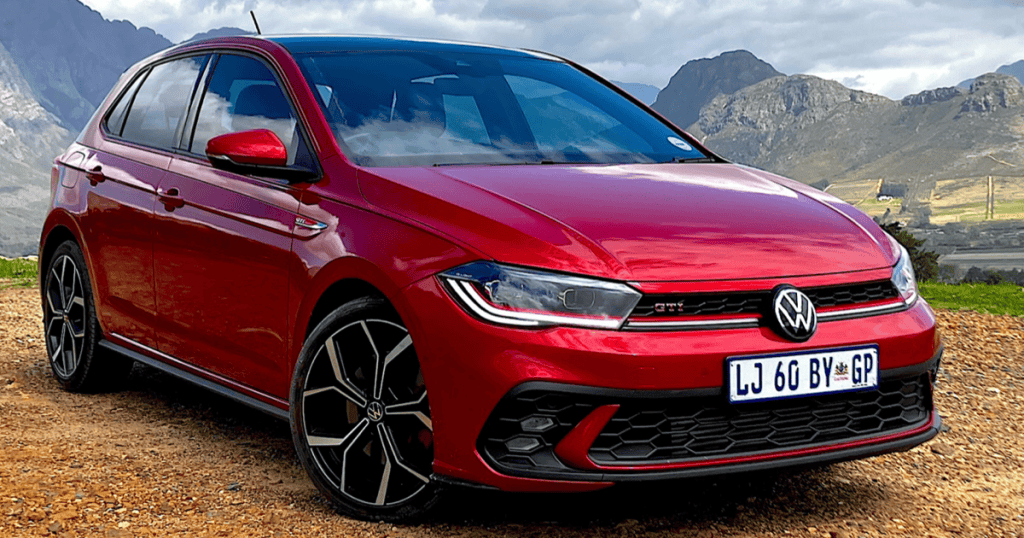
Quality and appeal followed. An updated Polo Classic won the South African Guild of Motoring Journalists (SAGMJ) Car of the Year in 2003, while the Polo repeated the feat as a joint winner in 2011, rare accolades that underscored how right Volkswagen got the formula.
Four Generations, One Factory Standard
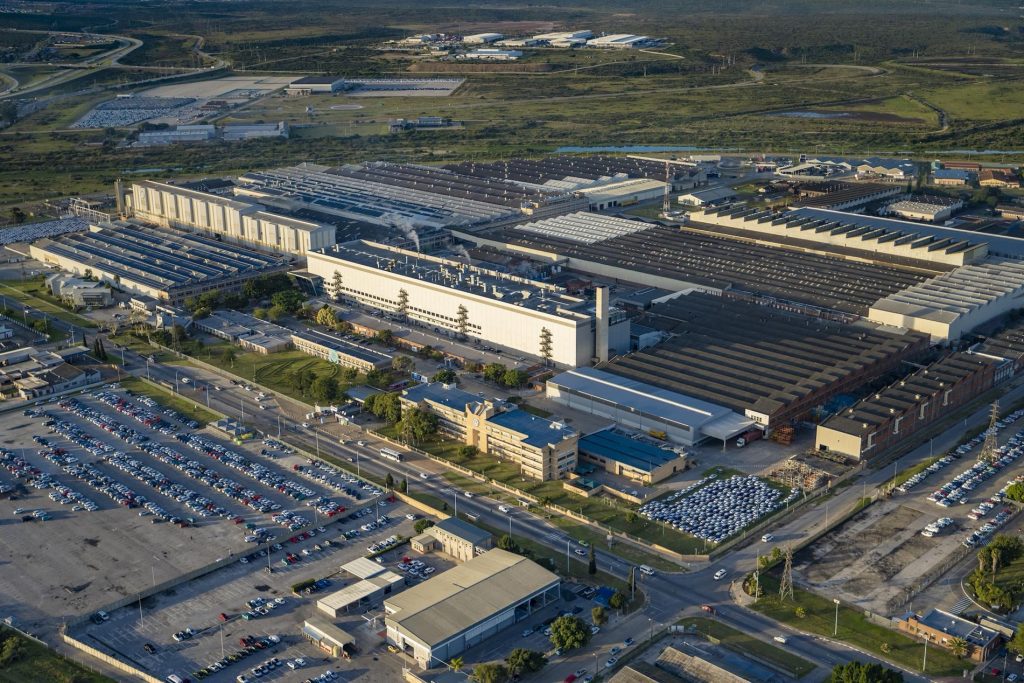
To date, four generations of Polo have been built at Kariega, with the current model in production since 2021. In 2024, the plant reached a strategic high point, becoming the sole manufacturer and exporter of the Polo for Europe and the Asia-Pacific, shipping to 38 countries while still serving South Africa.
That same year delivered a record: 167,084 vehicles produced, including 131,485 Polos exported and 35,599 Polos and Polo Vivos sold locally. Kariega also produces the Polo GTI, proving the line can handle both everyday mobility and high-performance precision.
Two Million Polos and Counting
By the end of 2025, Kariega crossed a landmark few factories ever see, over two million Polos built. Of these, 595,043 stayed in South Africa, while 1,421,960 found homes abroad, with the UK as the biggest export destination. On average, each Polo takes three days, 1,985 pairs of hands, and around 1,400 parts to come together, a human-scaled reminder that mass production is still deeply personal.
Why This Matters for Ghana
Here’s the local angle Ryde Channel readers care about: the Polo and Polo Virtus are popular models in Ghana, and vehicles built at Kariega underpin local assembly efforts back home. That means South African manufacturing excellence translates directly into Ghanaian showrooms, consistent build quality, proven durability, and a supply chain Africa can rely on.

As Ghana pushes for deeper automotive assembly and skills transfer, Kariega’s Polo story offers a blueprint: invest in people, standardise processes, and let scale do the rest.
A People-Powered Milestone
“2026 is a year of celebration,” says VWGA Production Director Ulrich Schwabe, crediting the dedication, skill, and passion of Kariega’s workforce as the engine behind the Polo’s success. It’s a sentiment that resonates across borders, because when African factories build global icons, everyone wins.



Leave a Reply