
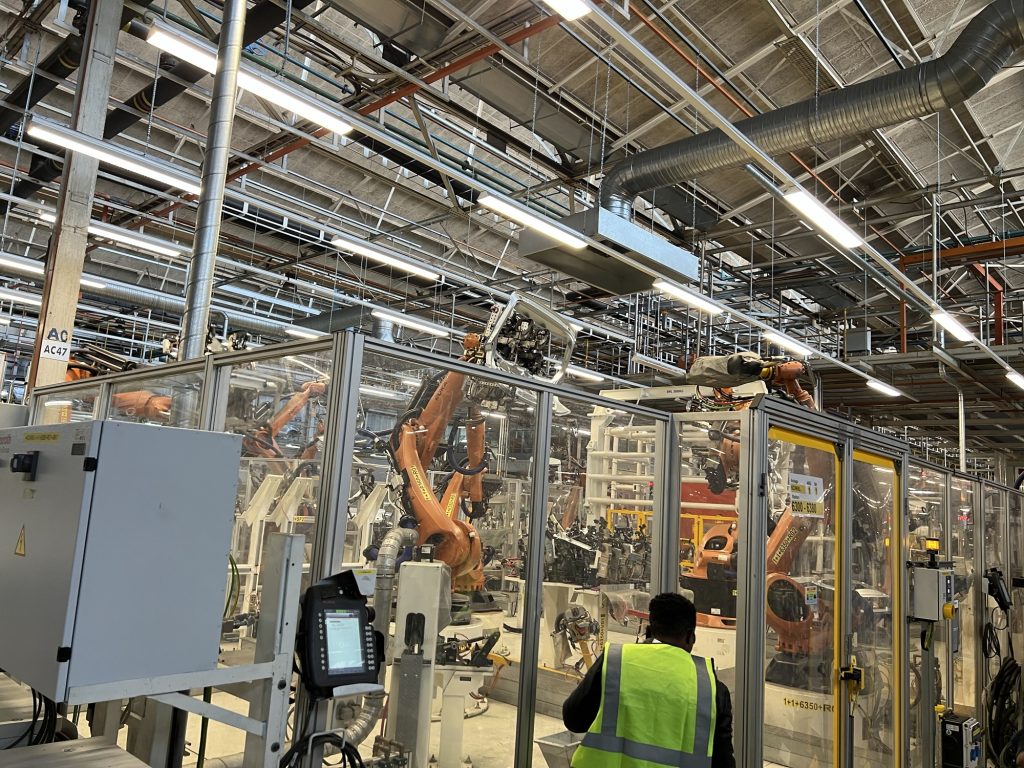
Aspirational auto brands don’t just sell you a means of transport; they offer an experience—a taste of the ultimate way to travel. These vehicles make you feel special, as though you’re gliding in a cocoon of comfort, untouched by the chaos of the outside world. How do they achieve this? By isolating the cabin from noise, vibration, and harshness (NVH) caused by the propulsion system, rolling tires, wind, and external elements. But here’s a fun fact: it’s not just luxury cars that benefit from these efforts. Affordable brands also employ NVH-reducing techniques to make their vehicles more than just bearable—sometimes even luxurious.
This attention to NVH can be easily overlooked. For instance, when a car is involved in an accident, repair technicians may remove pieces of styrofoam or soundproofing materials in the doors or fenders, often tossing them aside as “unnecessary junk.” What they don’t realize is that these seemingly minor components are part of a meticulously designed system to enhance your driving comfort.
What is NVH?
NVH stands for Noise, Vibration, and Harshness, and it refers to the study and control of sound and vibration characteristics in vehicles. Let’s break it down:
- Noise: Unwanted sounds from the engine, tires, wind, or other vehicle components.
- Vibration: Oscillations or movements in vehicle parts, felt by occupants or detected through touch.
- Harshness: The subjective perception of discomfort caused by noise and vibration, often linked to ride quality.
Why NVH Matters to you
In Ghana, where the majority of vehicles are serviced outside of dealerships, casual knowledge of NVH can go a long way in preserving your car’s comfort. A seemingly harmless action, like removing an adhesive strip in the spare tire well, can dramatically degrade your driving or ownership experience.
How Automakers Improve NVH
Auto companies use a variety of materials, designs, and technologies to improve NVH. Here are some key strategies:
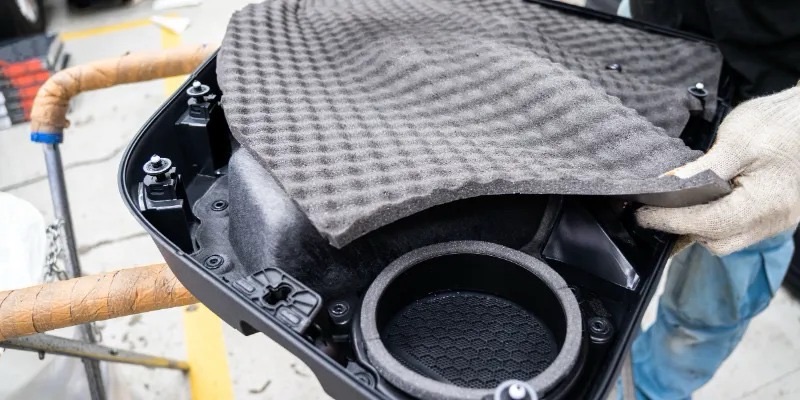
1. Sound Insulation and Absorption
- What it is: Using materials like foam, felt, and acoustic liners in door panels, dashboards, and floors to absorb sound.
- Fun fact: High-quality insulation is a hallmark of luxury cars, but even budget vehicles benefit from these techniques.
2. Structural Reinforcement
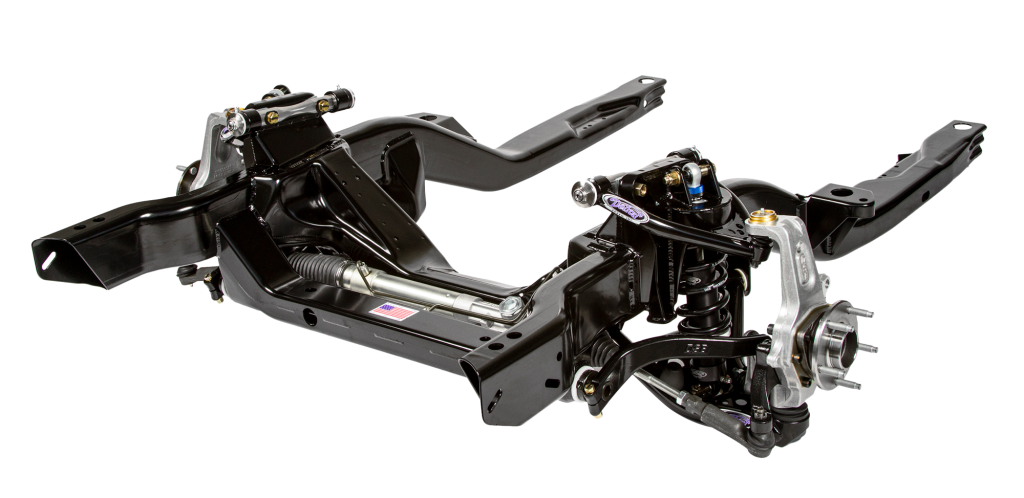
- What it is: Strengthening the chassis and body to reduce flex and vibrations.
- Why it matters: Repairs in these areas without proper care can compromise the car’s structural integrity and NVH.
3. Aerodynamic Design
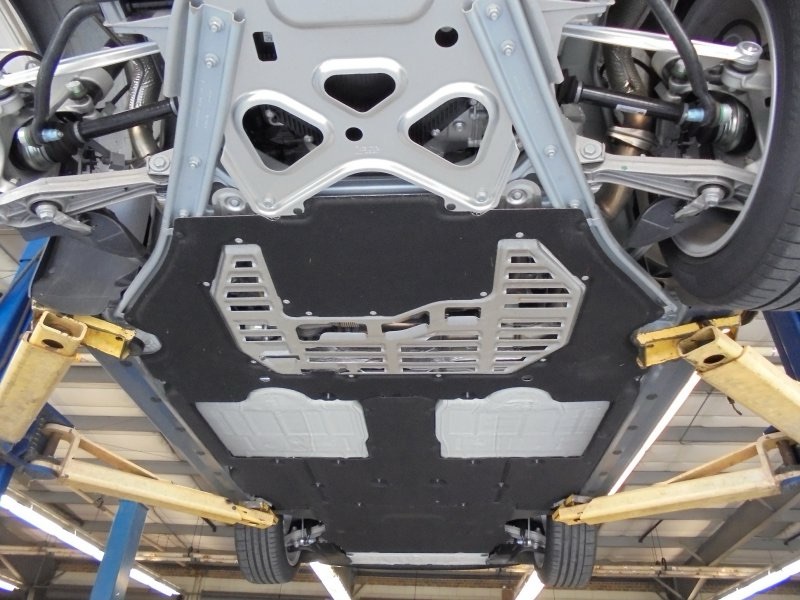
- What it is: Smoother body contours and underbody panels to reduce wind noise.
- Example: Those panels under your car? They’re not just for show; they’re critical for noise reduction.
4. Engine Mounts and Balancing
- What it is: Using advanced mounts (like hydraulic or active mounts) to dampen vibrations from the engine.
- Why it works: Properly balanced components like crankshafts minimize vibrations. Don’t strike any pulley with a hammer, it will offset their balance.
5. Noise-Canceling Technology
- What it is: Active Noise Cancellation (ANC) technology uses microphones and speakers to cancel unwanted sounds.
- Fun fact: It’s like having Apple AirPods for your car.
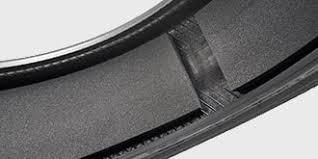
6. Improved Tire Design
- What it is: Optimized tread patterns and materials to reduce road noise.
- Example: Some tires include a polyurethane foam liner to absorb noise.
7. Cabin Sealing
- What it is: Enhanced sealing around doors, windows, and the hood to block outside noise.
- Pro tip: Replace torn seals immediately to maintain cabin quietness.
8. Subframe Isolation
- What it is: Mounting suspension and drivetrain components on isolated subframes to reduce vibrations.
- Why it matters: This prevents vibrations from transferring to the cabin.
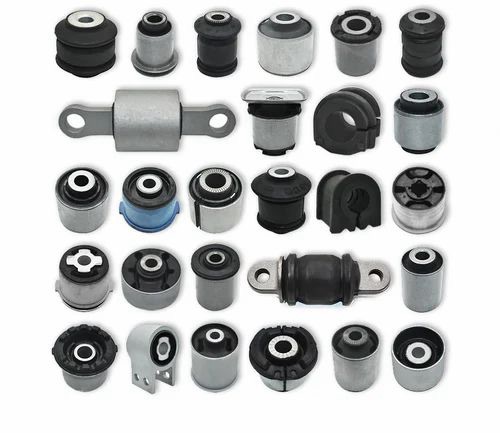
9. Suspension Tuning
- What it is: Fine-tuning components like bushings, springs, and dampers to absorb vibrations.
- Example: Adaptive air suspension systems offer smoother rides.
10. Laminated Glass
- What it is: Acoustic laminated glass in windows to reduce wind and external noise.
- Why it’s cool: It’s common in premium vehicles but increasingly found in mainstream models.

Why Every Feature Matters
Your car is a finely tuned system where every component plays a role in your overall experience. Removing or altering parts without understanding their purpose can turn a smooth ride into a bumpy ordeal. So, before you chuck out that “useless” piece of foam during repairs, think about how it contributes to your comfort.
Appreciate the effort automakers put into reducing NVH. From sound insulation to tire design, these technologies ensure your vehicle isn’t just a mode of transport but an enjoyable experience. What ever your mode of transport, understanding NVH helps you maintain and even enhance your driving comfort.
Happy motoring




Leave a Reply