
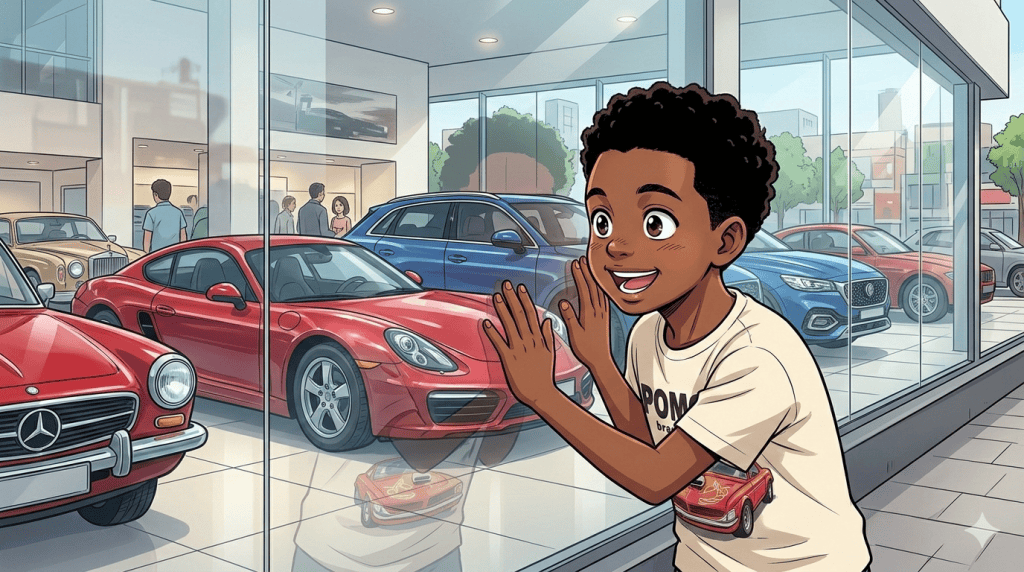
There’s something about the cars of our childhood that modern vehicles simply can’t replicate. Maybe it’s the sounds they made, the stories attached to them, or how they defined status, personality, and even neighbourhood identity. Growing up in the 80s in Ghana, these Rydes made it cool.
These weren’t just cars. They were characters in our lives.
Renault 4 (1961–1992)
Ah, the Renault 4. This car, ei! My P6 classmate Yanzu used to narrate James Bond–level adventures his father supposedly pulled off in theirs. We all knew he was a pathological liar, yet we still gathered religiously to hear his latest episode.
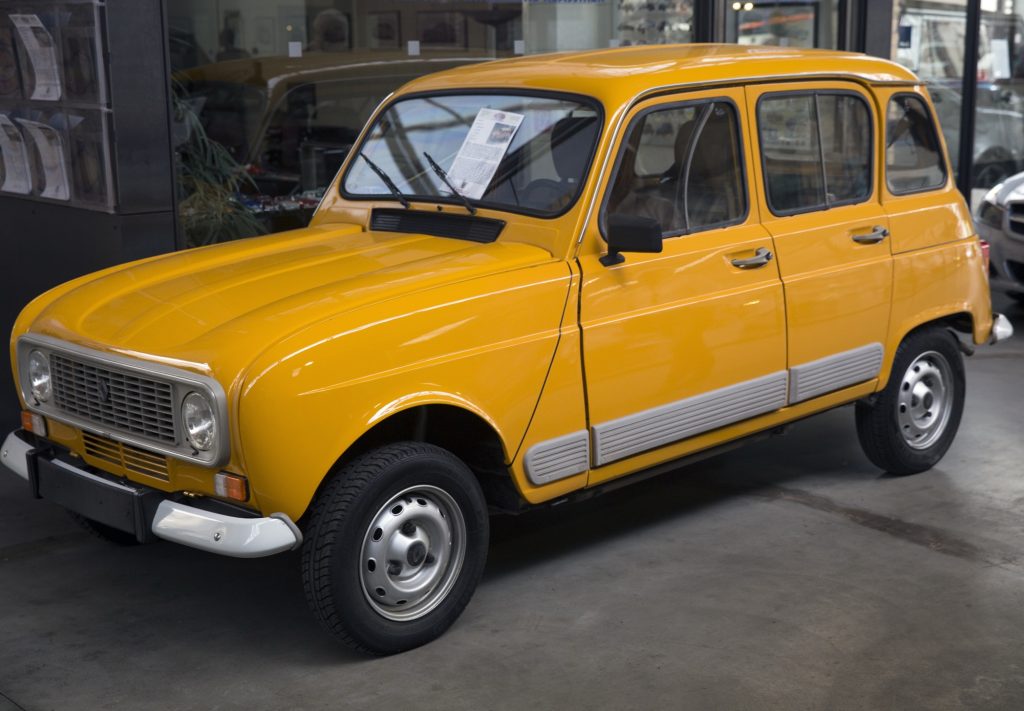
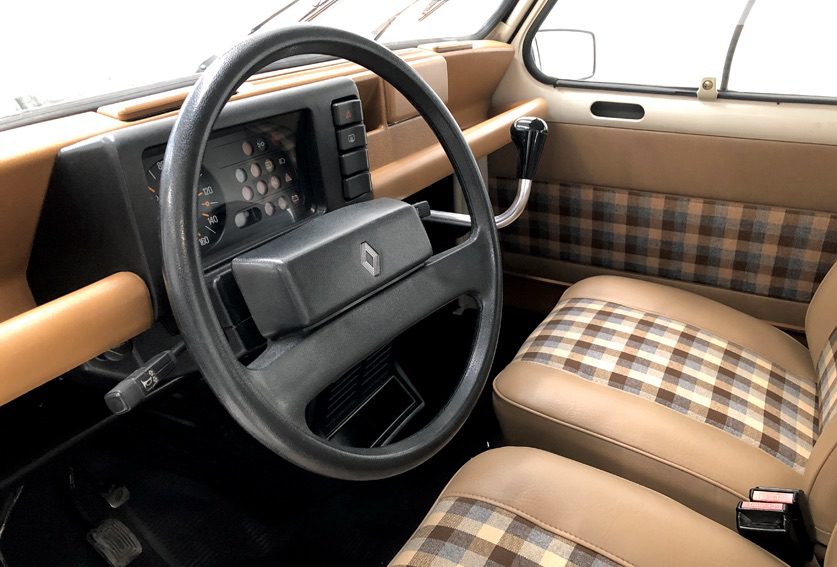
Every block seemed to have a couple of Renault 4s bouncing along like they were riding waves. The true showpiece, though, was that dashboard-mounted hockey-stick gear lever. Watching someone operate it was hypnotic, like watching kente being woven in Bonwire.
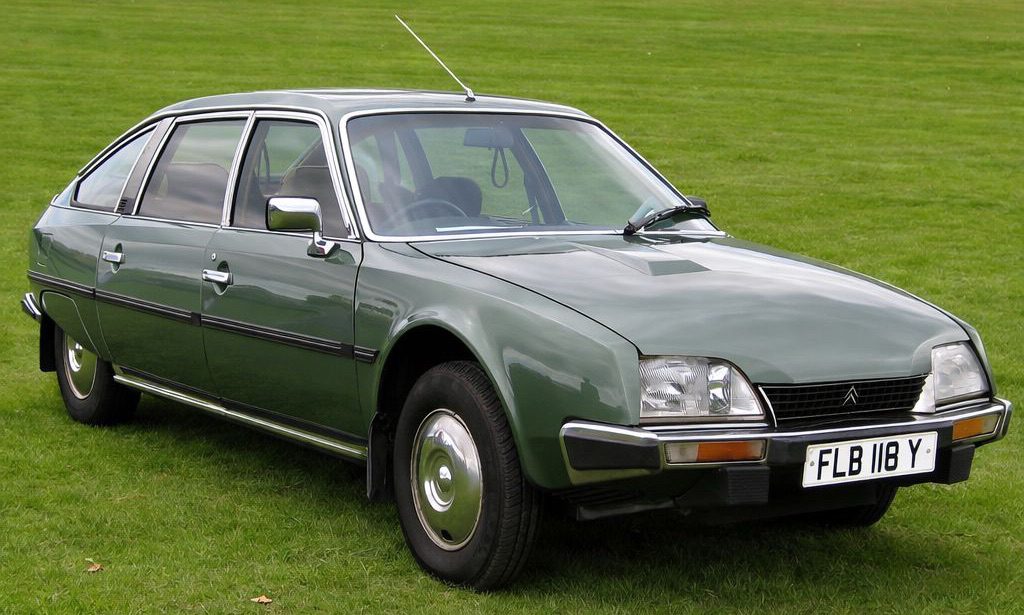
Citroën CX (1974–1991)
The silhouette of the Citroën CX is unforgettable. It projected a certain motoring nerdiness, a car for those who loved innovation more than convenience. Not every family had the patience for its quirks or reliability concerns, but it didn’t matter. It was cool, and it knew it.
Volkswagen Beetle (1938–2003)
The Beetle, affectionately called “Apotro”, the frog car. Owners adored them. We never had one because my old man leaned toward more exotic tastes (He drove an Audi 80 when I was born), but I enjoyed rides in them.
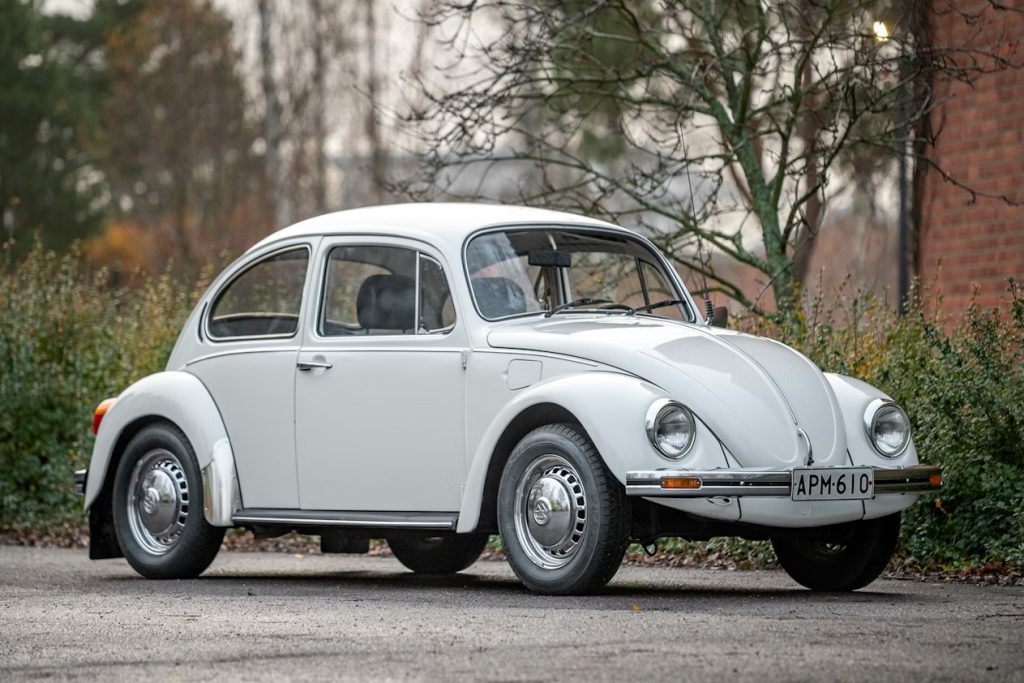
They felt mechanical, intimate, and alive, like you and the car were one entity. Everything was tactile and simple. For a kid fascinated by machinery, it was magic.
Ironically, the newer they got, the more personality they lost. The very early ones looked too sad for my taste, but the middle generations struck the perfect balance, cheerful, sturdy, and full of character.
Volkswagen Golf (1974–1983)
The Golf, the car I love to hate.
Everyone else seemed to swear by theirs, but when our family finally got one, it became a daily ritual to push-start it before school. When it ran, though, it felt solid and reassuring.
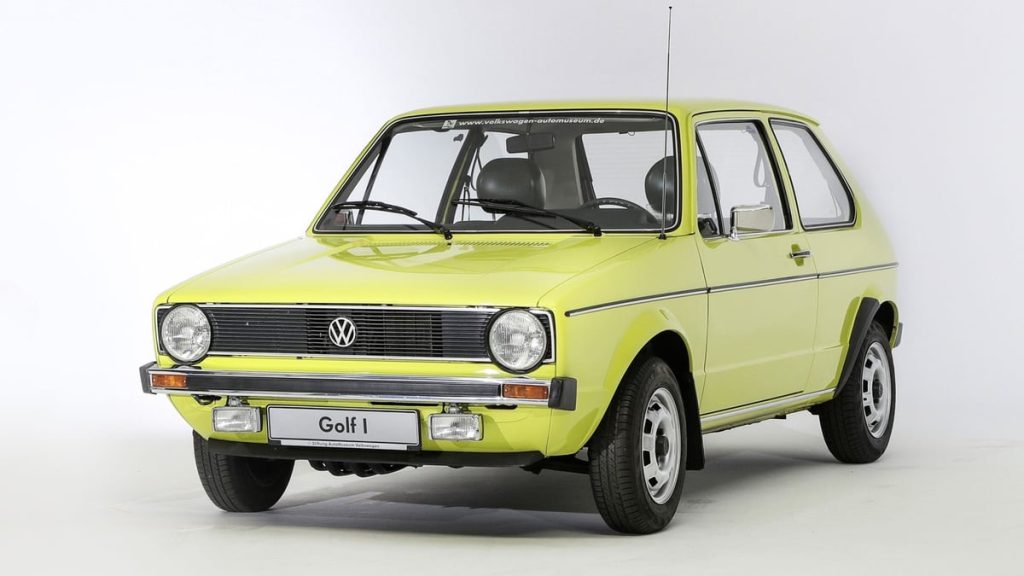
The instrument cluster was iconic, a grid of unlabeled tiny red and green lights. The famous “idiot lights.” When a red one lit up, you didn’t check the dashboard. You checked the driver’s face. And often, it wasn’t good news.
Still, the Golf looked purposeful and honest. No fuss. Just like proper work attire.
Peugeot 504 (1968–1983)
These French machines were everywhere, and rightly so. Every 80s kid has a Peugeot 504 story.
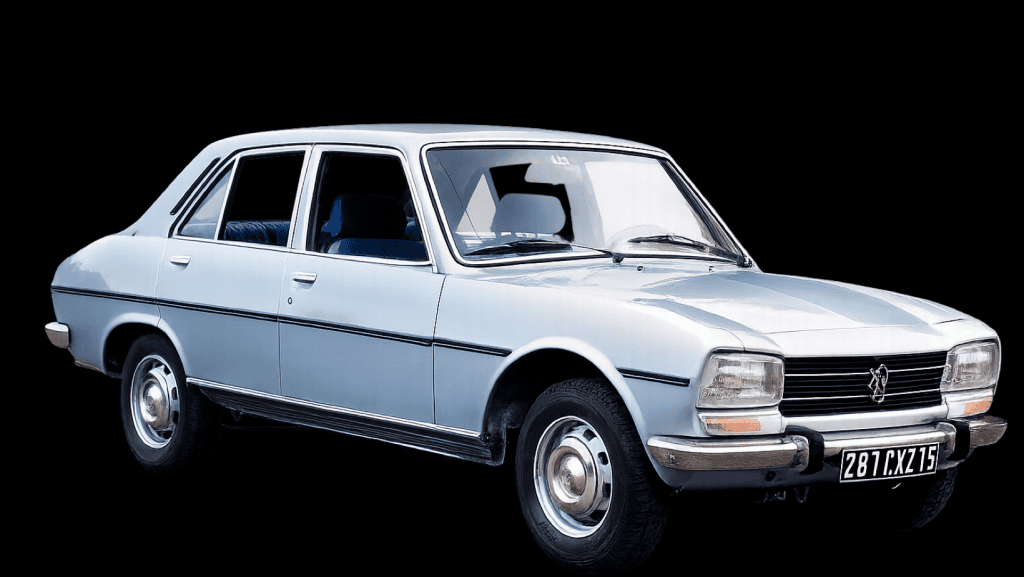
They came in every form imaginable: sedan, wagon, pickup, coupe. Everything about them felt unmistakably French, from their ride quality to their unique engine note. They were smooth, fast, and athletic.
If you want to understand the 504, watch the James Bond film “For Your Eyes Only”. That chase scene tells you everything.
I spent part of my childhood in Nigeria, where they were locally assembled and everywhere. In the northern heat, their air conditioning felt like salvation. And that plastic dashboard somehow felt plush. Later models even had luxuries like electric windows and fold-down rear armrests, we fought over those seats like it was a throne.
Nissan Patrol Super Roof (1980–1993) & Mitsubishi Pajero (1982–1991)
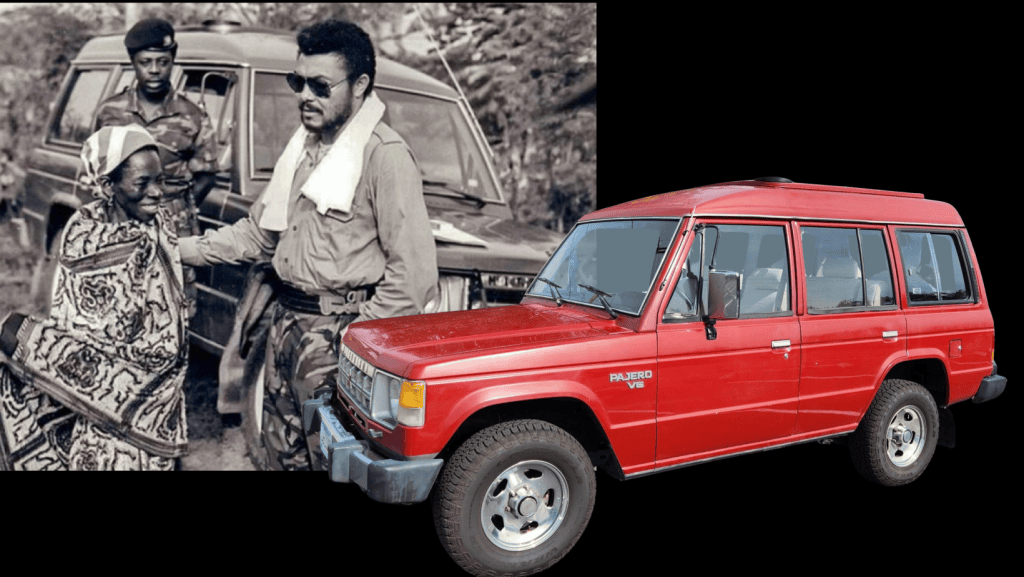
Before the Land Cruiser V8 captured Ghanaian hearts, these were the ultimate symbols of power and reach.
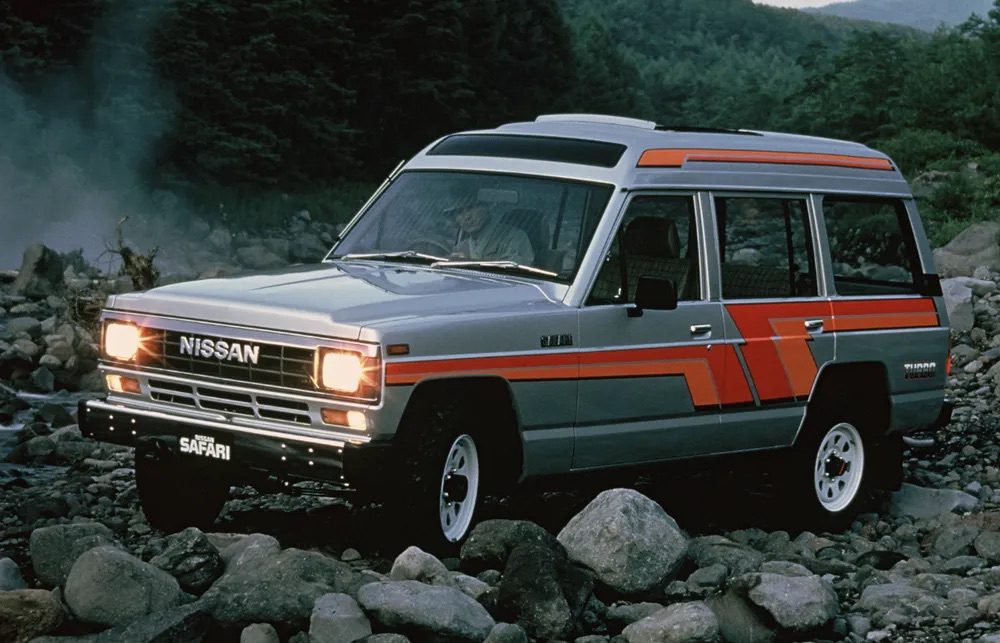
The Patrol carried swagger, but everything changed when President Rawlings adopted the Pajero. Seeing him standing through the roof waving to crowds cemented the Pajero’s status. It wasn’t just a car anymore, it was a symbol of authority and mobility.
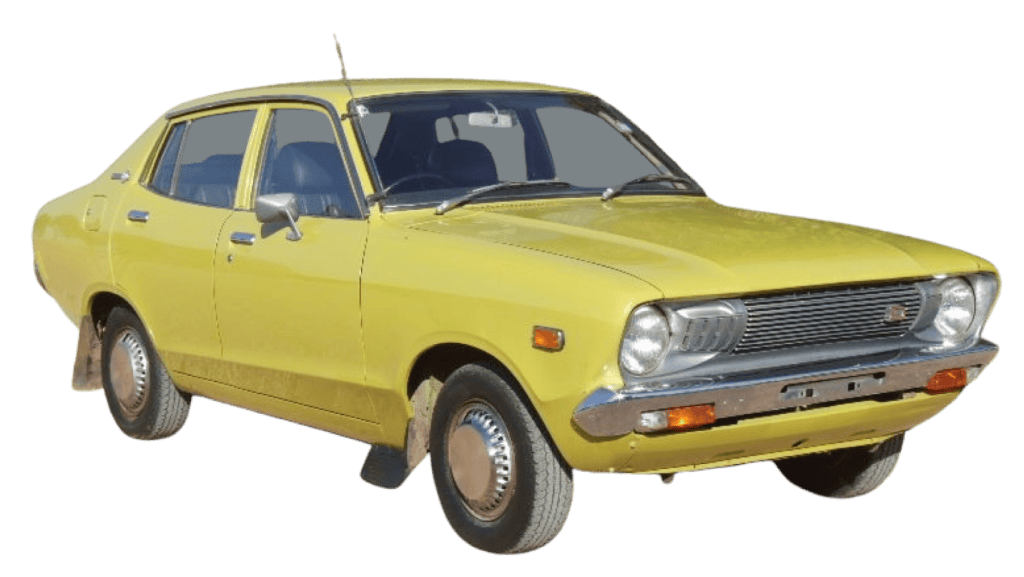
Datsun 120Y (1973–1977)
This little workhorse announced itself with a distinctive ticking sound from its hubcaps. If you know, you know.
It would later evolve into the Nissan Sunny, but the 120Y holds a special place. It may not dominate the roads today, but its role in moving families, workers, and dreams cannot be overstated.
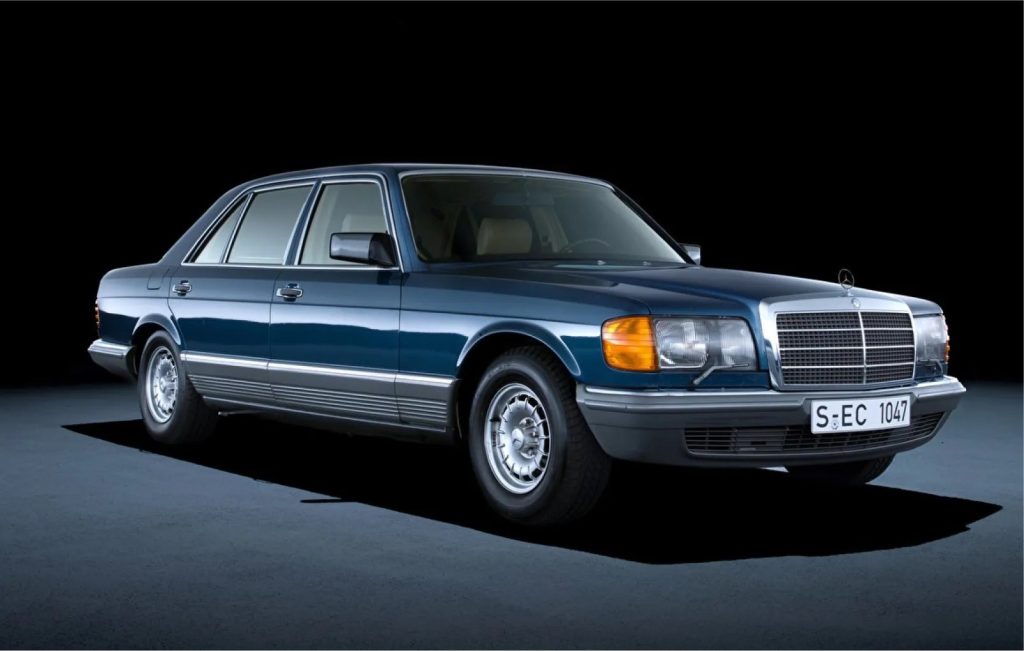
Mercedes-Benz S-Class (1972–1982)
When you saw one of these, or its immediate predecessor, you knew: Now we are talking.
A ride in an S-Class meant you were either part of Ghana’s top one percent or closely connected to them.
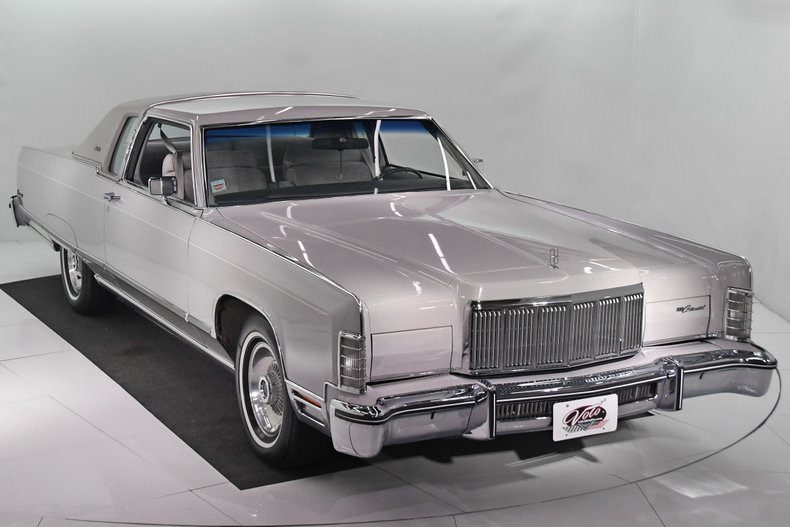
Then there was Auntie Emily. She insisted on being seen only in an American coupe, her 1976 Lincoln Continental Town Coupe. That car was so long the bonnet felt like it was in another city. The message was clear: this woman meant business.
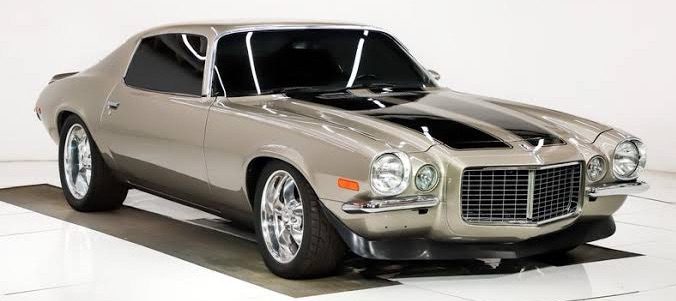
Another powerful figure I knew, the mother of my childhood friends Michael and Christopher, a doctor and former Health Minister, drove a gold Chevy Camaro (1970 – 1981). Her sheer audacity was inspiring.
I never got to drive those cars, but I’m convinced they must have been glorious in their own way. And beyond style and status, they carried people, ideas, and ambition that helped shape the nation we know today.
There were many more icons that shaped our roads and our memories, but I’ll stop here and pass the wheel to you.
Which cars defined your childhood?
Don’t break the chain. Continue the conversation.


Leave a Reply