
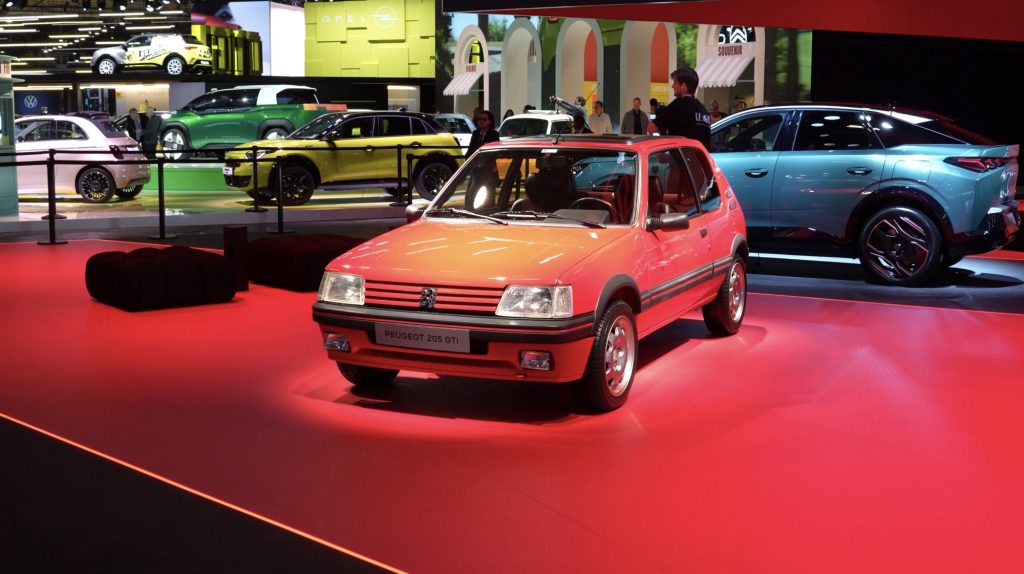
From childhood favourites to new electric contenders, Stellantis is making a case for the future of some of Africa’s most familiar automotive brands. But can it translate nostalgia, innovation and fresh investment into actual sales?
There was a time when a Peugeot, Opel, Citroën or Fiat was a familiar sight on Ghanaian roads. Across much of Africa in the 1970s, 1980s and 1990s, these European brands were part of everyday motoring life.
For many people, they evoke memories of family journeys, childhood adventures and the cars their parents drove. Today, a significant number of those children have grown into professionals, business owners and executives with the means to purchase new vehicles. Some even influence the vehicle procurement decisions of major organisations.
That represents an interesting opportunity for Stellantis, the automotive group that now owns these historic brands.
Despite their heritage and recognition, several of these marques no longer enjoy the prominence they once commanded in markets such as Ghana. Japanese, Korean manufacturers have established formidable positions, while newer Chinese brands are challenging the traditional players with competitive prices, generous equipment and increasingly sophisticated vehicles.
However, following the 2026 Paris Motor Show, held from October 12 to 18, there are compelling signs that Stellantis is preparing a more serious attempt to strengthen its presence across Africa.
And the story is about much more than attractive concept cars.
Paris 2026: Familiar names, very different cars
Stellantis arrived in Paris with eight brands, nine concept cars and more than 60 vehicles. The announcements demonstrated how the company intends to combine its heritage with fresh design, electrification and practical mobility solutions.
For African audiences, four familiar European marques were particularly interesting.
Opel: A fresh take on German engineering
Opel unveiled the STX Concept, a futuristic electric estate car featuring striking lighting, advanced aerodynamics and all-wheel drive, with a claimed top speed exceeding 200 km/h. It is a glimpse of the brand’s future design direction rather than a confirmed production model.
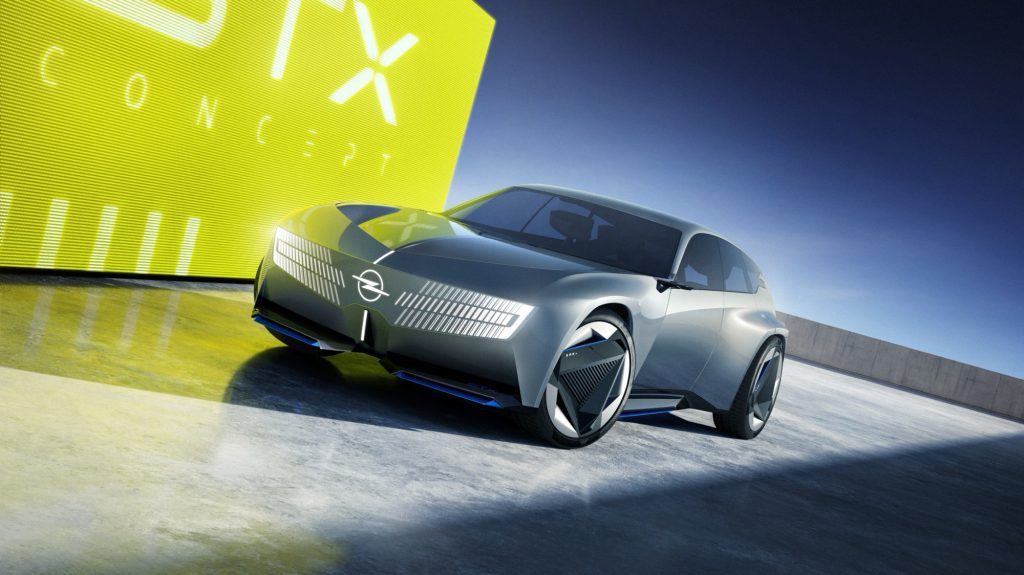
The company also highlighted its performance ambitions with the Corsa GSE electric hot hatch and a Formula E racing car.
For Africans who remember the Kadett, Rekord, Astra and Vectra, Opel is clearly evolving. Whether that translates into a comeback will depend on how well its future cars meet local expectations on pricing, durability and ownership costs.
Peugeot: A sporting legend reborn
Peugeot turned heads with the E-T16 Concept, an electric tribute to its legendary 205 T16 rally car.
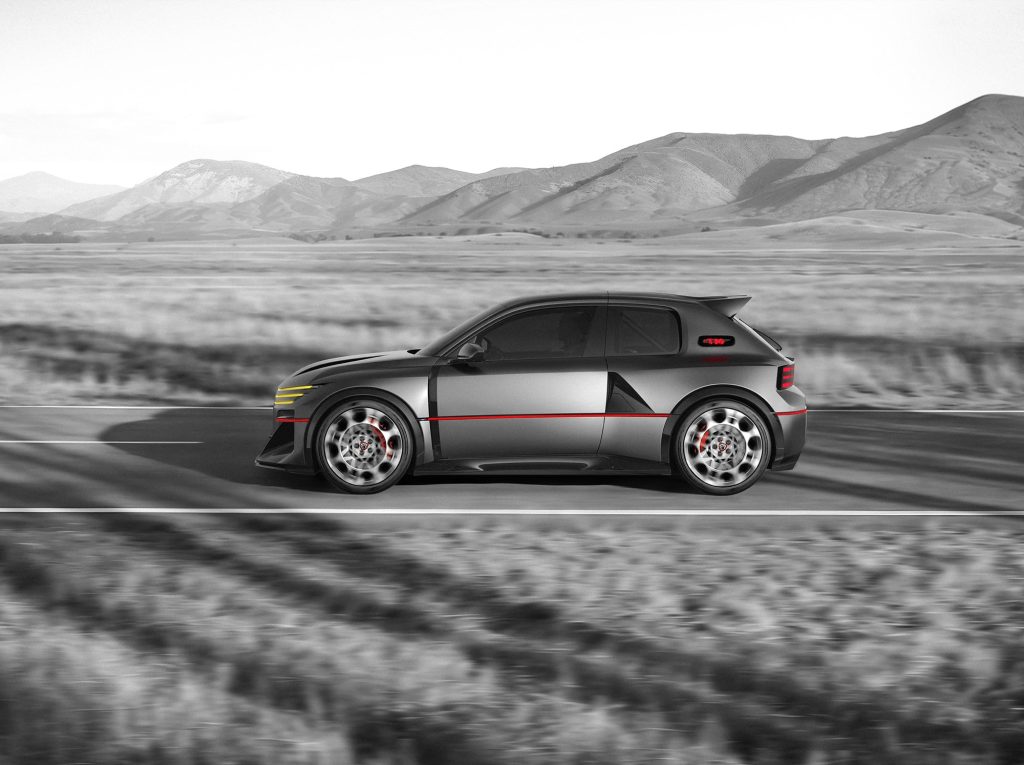
With an extraordinary 816 horsepower, acceleration from 0–100 km/h in 2.5 seconds and a claimed range of up to 400 km, it is the most powerful Peugeot ever created.
Beyond the impressive figures, the E-T16 previews design and technology destined for future Peugeot models, particularly the next E-208.
While such extreme performance may be far removed from the needs of most African buyers, it reinforces the engineering ambition and sporting identity of a brand with deep roots across the continent.
Citroën: Bringing affordable motoring back
Citroën revived one of its most famous cars, the 2 CV, as a small, practical electric concept.

At just 3.76 metres long, the new 2 CV focuses on simplicity, efficiency, affordability and ease of maintenance. Citroën is targeting a production model by 2028 with a European starting price of around €15,000.
There is no confirmed African launch, but its philosophy is particularly relevant to markets like Ghana, where buyers increasingly need affordable vehicles that are economical to operate and maintain.
Fiat: One vehicle for almost everything
Fiat presented the Multiplay Concept, an innovative family vehicle that combines the practicality of an MPV, SUV and pick-up.
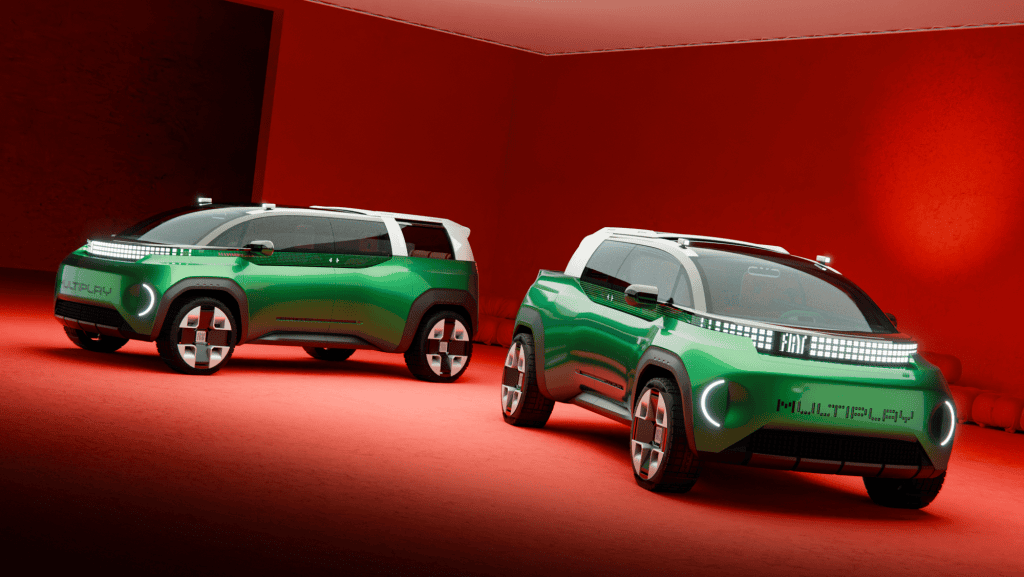
Its clever design allows it to transform from a family vehicle with six seats plus flexible space into a four-seat pick-up with an open load bed.
Although purely experimental, Multiplay explores the kind of versatility that could appeal to African families who often expect one vehicle to serve several purposes.
Fiat also introduced the more commercially relevant Grizzly and Grizzly Fastback family vehicles, with petrol, hybrid and electric powertrain options depending on the market.
Leapmotor: The bigger story for West Africa
Perhaps the most significant development for West Africa did not involve any of the traditional European brands.
It concerned Leapmotor, the Chinese electric vehicle manufacturer whose international expansion is being supported through its partnership with Stellantis.
Leapmotor displayed an expanding product range at the Paris Motor Show, including the compact B03 electric hatchback and the flagship D19 SUV.
Although Leapmotor has no official sales and after-sales representation in Ghana, independent dealers are already importing its vehicles. That suggests there is consumer interest which has developed ahead of formal brand entry.
To understand what could happen next, Ryde Channel put several questions to Janus Janse van Rensburg, Head of Strategy & Product Planning for Stellantis South Africa and Sub-Saharan Africa.
His responses provide some useful insight into the company’s thinking.
West Africa is on the expansion radar
According to Janse van Rensburg, Stellantis is considering introducing Leapmotor into other parts of Sub-Saharan Africa, including West Africa.
The company is preparing to test selected Leapmotor vehicles in Egypt as part of a broader evaluation process. Positive results could inform decisions about introducing those vehicles into other markets with comparable operating conditions.
But launching in Ghana or Nigeria is not simply a matter of appointing a distributor.
Stellantis wants to determine how the vehicles cope with regional conditions, particularly high temperatures, demanding roads and the additional weight associated with their battery systems.
Janse van Rensburg explained that vehicle mass can affect the durability of suspension and drivetrain components.
This is significant. Vehicles that perform admirably on smooth European or Chinese roads do not automatically deliver the same ownership experience across Africa.
The manufacturer’s willingness to test suitability before official introduction is therefore encouraging.
Another important consideration is powertrain suitability.
Although fully electric vehicles may be easier to introduce from an emissions-compliance perspective, many African markets still face limitations in public charging infrastructure.
Stellantis is consequently evaluating Leapmotor’s range-extended electric vehicles, or REEVs, which use an internal combustion engine to generate electricity and extend driving range.
Janse van Rensburg indicated that these vehicles may be better suited to the long distances commonly travelled across African markets.
However, their suitability remains dependent on fuel quality and compliance with applicable emissions requirements.
Stellantis is collecting fuel samples and market data to determine which range-extended and plug-in hybrid models can operate reliably in different countries.
This is particularly relevant for Ghana, where a vehicle capable of completing long journeys without depending entirely on public charging could be attractive.
Can Leapmotor compete on price?
Leapmotor also benefits from its Chinese manufacturing base, which Janse van Rensburg identified as an advantage in controlling production costs.
Stellantis intends to offer competitive products that combine technology, quality and safety.
However, he acknowledged that relatively low new-vehicle sales volumes across many Sub-Saharan African countries make it difficult to justify developing vehicles exclusively for the region.
This makes careful product selection and adaptation all the more important.
For Ghana, an official Leapmotor operation could potentially bring stronger warranty coverage, technical support, genuine spare parts and trained technicians to a market currently being served by independent importers.
But those benefits will depend on how an official distribution and service network is structured.
Manufacturing: The African opportunity is bigger than vehicle imports
Beyond the announcements in Paris, Stellantis is working on a regional strategy that could reshape the way its vehicles are produced and supplied.
Its FaSTLAne 2030 plan targets a 40% increase in Middle East and Africa revenue, supported by a more competitive manufacturing and sourcing model.
The company wants 22 principal vehicle lines to generate around 90% of sales in the region. Approximately half would be manufactured regionally, with the remainder sourced from Asia.
That marks an important shift.
Rather than relying entirely on vehicles developed and manufactured for Europe, Stellantis is increasingly considering products that can be supplied at prices suited to regional market conditions.
Its established manufacturing footprint in Morocco, Turkey and Algeria provides an industrial foundation for this approach.
South Africa could also play a more substantial role, although several important decisions remain outstanding.
In an October 17 report by Sunday Times journalist Thabiso Mochiko, Stellantis Middle East and Africa Commercial Director Charl Timms indicated that the company was considering additional South African production programmes beyond the Peugeot Landtrek pick-up (A vehicle which is already available in Ghana).
SUVs and new-energy vehicles are among the possibilities being evaluated.
But there is a significant catch: manufacturers require greater certainty around industrial policy, investment incentives and commercially sustainable production volumes.
The proposed Stellantis facility in South Africa has not yet progressed into the operating manufacturing base originally envisioned.
Stellantis is also evaluating the broader business case for Leapmotor production in South Africa, although no decision has been made on local assembly.
For countries such as Ghana, these developments matter even where local manufacturing is not immediately planned.
A more competitive African production and distribution network could potentially improve regional vehicle availability, reduce some logistics costs and support a broader range of products.
It would not automatically guarantee lower Ghanaian retail prices, since taxation, transport costs, exchange rates and distribution expenses would remain significant.
Nostalgia opens the door. Value closes the sale.
Stellantis has one advantage that several newer automotive manufacturers would love to possess: generations of African motorists already know its brands.
Peugeot, Opel, Fiat and Citroën are not unfamiliar names needing introduction.
They have histories, stories and emotional connections embedded in African motoring culture.
But that recognition is not enough.
For the buyer considering a new vehicle today, the decision ultimately comes down to price, dependability, practicality, service support, fuel economy and resale value.
For corporate fleet managers, the considerations are even more demanding: total ownership costs, vehicle uptime, parts availability and predictable maintenance expenditure.
This is where Stellantis must concentrate its efforts.
Its multi-brand approach, access to different manufacturing locations and increasing willingness to source competitively from Asia could become important advantages if executed effectively.
The emergence of Leapmotor adds another dimension, allowing the group to participate in the rapidly developing market for affordable electrified mobility without relying entirely on its traditional European brands.
However, there are unresolved questions about which vehicles will actually reach West Africa, when official representation could begin and how competitive the final retail prices will be.
A second chance for familiar names?
The 2026 Paris Motor Show revealed a Stellantis that is attempting to combine its considerable heritage with new ideas about vehicle design, manufacturing and mobility.
Some of the concepts were emotional and extravagant. Others were refreshingly practical.
For Africa, however, the most encouraging development is not necessarily the 816-horsepower Peugeot, the futuristic Opel estate or even the charming Citroën 2 CV.
It is the recognition that different markets require different products, pricing strategies and engineering considerations.
If Stellantis can translate that understanding into attractive vehicles, reliable service networks and competitive ownership costs, the company may have a genuine opportunity to rebuild the African presence of its historic brands.
The generation that grew up admiring and riding in these cars is still here. Many can now afford to buy them.
The question is whether Stellantis can give them a compelling reason to do so again.

Leave a Reply