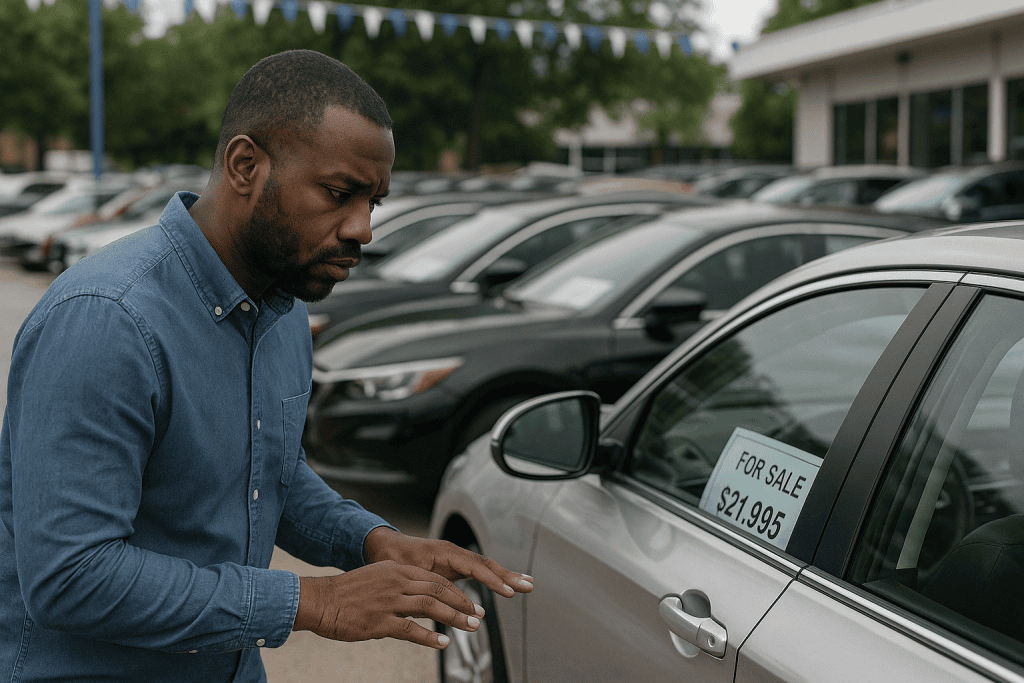
Buying a used car is an exercise in compromises. You don’t always get exactly what you want, and often you have to trade off condition, age, mileage, and price. That’s why I’ve always said: if you can, downsize your expectations and go for a brand-new car.
A new car, even a smaller one, comes with a warranty, peace of mind, and predictable running costs.
But if you have to buy a used or even salvage car, here’s what you should focus on, in order of importance.
1. Structural Integrity Comes First
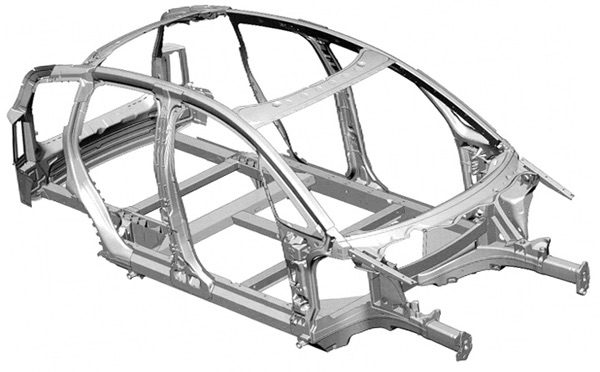
The car’s bones matter more than the paint or gadgets. A bent chassis or poorly repaired accident damage makes the car unsafe no matter how pretty it looks. Always inspect the underbody, frame rails, and welds. Rust in the wrong places can be just as dangerous as collision damage. If the structure is compromised, walk away. Most salvage auction platforms will categorize the different kinds and levels of damage; eg: RD — Roof Damage, SR — Strip (i.e., stripped parts), ST — Structural, TR — Theft-related damages, UC — Undercarriage … a lot to learn in order to gain an upper hand in that game.
2. Engine and Transmission Health
Engines and gearboxes are the heart of the car, and the most expensive parts to replace. Listen for knocks, rattles, smoke, or hesitation. If the gearbox slips or shifts roughly, it’s a red flag. A quick OBD scan is not enough, insist on a proper inspection by a mechanic who can test compression, sensors, and components.
3. Paperwork and Legality
Don’t get stuck with a bargain that turns into a nightmare. Always check the VIN numbers on the chassis, engine, and paperwork. Make sure the car isn’t still tied to unpaid loans, stolen, or recorded as an insurance write-off. Salvage-title cars can also come with restrictions on insurance or resale. This is huge at the moment. Most of the salvage or used cars that come to Ghana is from the USA and Canada. These countries have a data base on all cars which are updated anytime the cars go in for service, change owners or has insurance or some permits renewed. Information such as ownership, mileage and other info is recorded and updated constantly. You can access such databases for a fee. Eg: Carvertical, Epicvin, AutoAstat etc.. NOTE: cars that were recently imported may not have its current status recorded yet and might show us clean until later. If they are stolen it might take a while before it shows up as stolen when you run a check.
4. Mileage vs. Maintenance
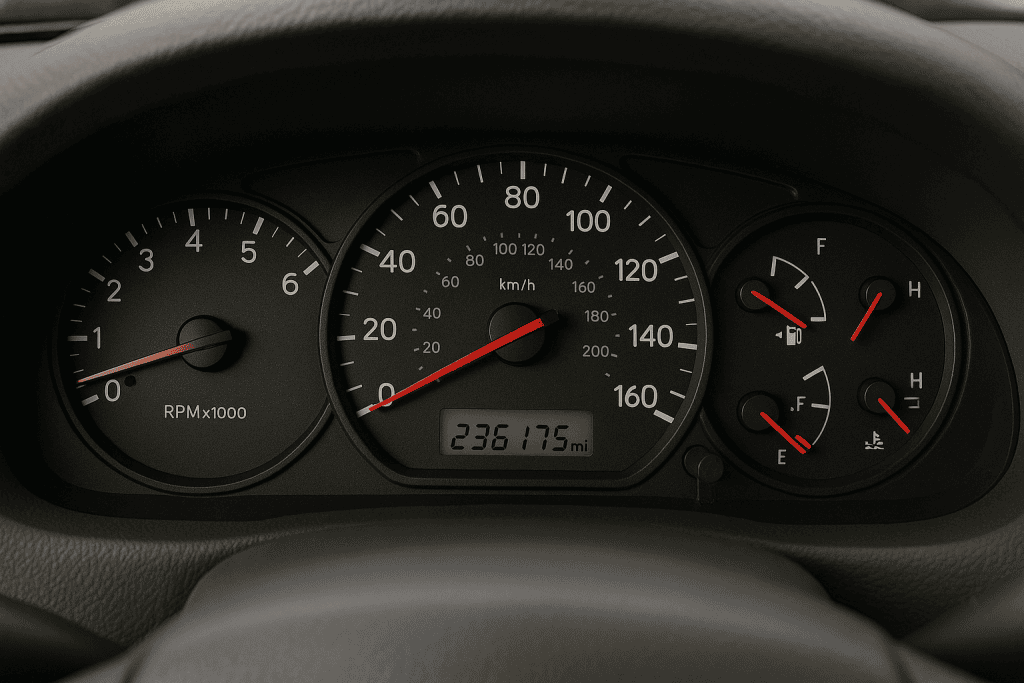
Mileage tells part of the story, but it’s not the whole truth. A high-mileage car that’s been well maintained is often better than a low-mileage car that’s been neglected. Check if major service items, timing belt/chain, brakes, suspension, have been taken care of. Low mileage cars that sat for years may also develop problems with seals and fluids.
5. Service Records
A thick file of service stamps and receipts is priceless. It shows the owner cared, and it saves you from guessing what has or hasn’t been done. A car without records is always a gamble.
6. Safety and Electronics
Modern cars rely on electronics. Test the airbags, ABS, traction control, lights, windows, infotainment — everything. Many salvage cars have deployed airbags that were never replaced, or sensors that are disabled. Safety isn’t optional.
7. Suspension, Steering, and Brakes
Take it for a proper test drive. Listen for knocks over bumps, check if it pulls to one side, or if the steering feels vague. Bad suspension and brake issues can add up quickly, especially on bigger cars or SUVs.
8. Running Costs
Before falling for a “cheap” used luxury car, think about the fuel bills, insurance, and spare parts. A used German SUV might cost the same upfront as a brand-new compact car, but running it can drain your wallet faster than you expect.
9. Looks and Comfort
Cosmetics, paint, upholstery, trim, should be the least of your worries. They don’t affect how the car drives. Of course, you don’t want a wreck inside, but scratches and faded seats can be fixed far more easily than a blown engine.
10. Price vs. Alternatives
Finally, step back and compare. Is the money you’re about to spend on this used/salvage car better spent on a brand-new smaller car? Many times, the math works in favor of the new car, once you factor in peace of mind, warranty, and lower running costs.
Bottom Line
When buying used, safety, mechanical health, and legal standing are non-negotiable. Everything else is secondary. If a car fails on any of the first three points, walk away, no matter how good the deal looks.
And remember: sometimes the smartest move isn’t stretching for that “big bargain” SUV, but settling for a new, smaller car that will serve you faithfully for years.



Leave a Reply