
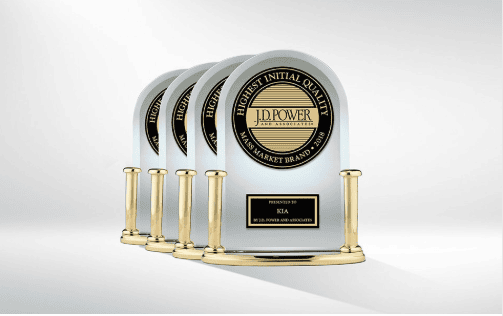
In a year defined by shifting consumer preferences, competitive pricing, and a wave of new electric and hybrid models, brand loyalty in the U.S. auto market has taken an interesting turn. According to the 2025 J.D. Power U.S. Automotive Brand Loyalty Study, overall loyalty dipped slightly to 49%, signaling that more car owners are exploring new brands when shopping for their next vehicle.
But a few brands have managed to keep their faithful fans returning to the showroom, proving that emotional connection, trust, and value still matter as much as horsepower or technology.
The Champions of Loyalty
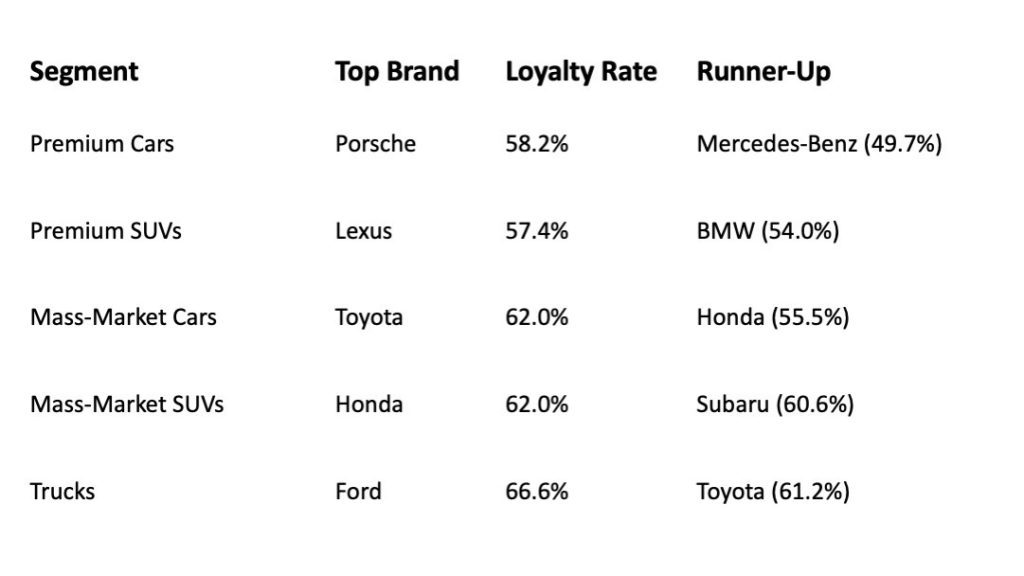
The study ranks loyalty by segment — from premium luxury rides to family SUVs and hardworking trucks. Here’s how the winners stack up:
What’s Driving Loyalty in 2025?
Ford: The Undisputed Truck King
For truck buyers, Ford continues to rule the roost. With a 66.6% loyalty rate, Ford drivers are the least likely to switch brands, a testament to the F-Series’ reputation for power, capability, and workhorse dependability. The F-150’s blend of innovation (like the hybrid PowerBoost and electric Lightning) keeps loyalists firmly in the fold.
Toyota and Honda: The Everyday Heroes
Toyota leads in mass-market cars, holding on to a remarkable 62% loyalty rate. The brand’s formula of reliability, efficiency, and strong resale value keeps customers coming back generation after generation.
Honda, meanwhile, has overtaken Subaru to top the mass-market SUV segment. The CR-V and Pilot’s practicality, fuel economy, and family-friendly reputation have clearly paid off.
Lexus and Porsche: Luxury Without Regret
In the premium space, Lexus continues to deliver a customer experience that blends understated luxury with near-flawless reliability. Porsche, on the other hand, stands out as a passion brand, its 58.2% loyalty proves that performance and emotion can be just as binding as practicality.
A Year of Switching and Exploration
While top brands remain strong, the overall decline in loyalty from 51% to 49% highlights a shift in consumer mindset. Shoppers are becoming more adventurous, influenced by new EV entrants, online buying tools, and flexible finance options. The study notes that many consumers now prioritize value, innovation, and aftersales experience over long-term brand attachment.
This means traditional automakers will need to do more than build good cars; they’ll need to build lasting relationships, through service excellence, transparent communication, and evolving with their customers’ lifestyles.
Why Brand Loyalty Still Matters
Loyalty isn’t just about repeat sales; it’s a signal of trust. For automakers, retaining a customer is five times cheaper than acquiring a new one. In a market overflowing with options, from electric newcomers like Rivian and Polestar to revamped icons like Kia and Hyundai, loyalty remains a priceless competitive edge.
As J.D. Power puts it, “Loyalty is the currency of the modern automotive market.”
The Takeaway
2025 reminds us that loyalty can’t be bought, it’s earned mile by mile.
Ford, Toyota, Honda, Lexus, and Porsche have done just that, proving that performance, reliability, and emotional connection remain the ultimate driving forces behind every repeat purchase.

Leave a Reply